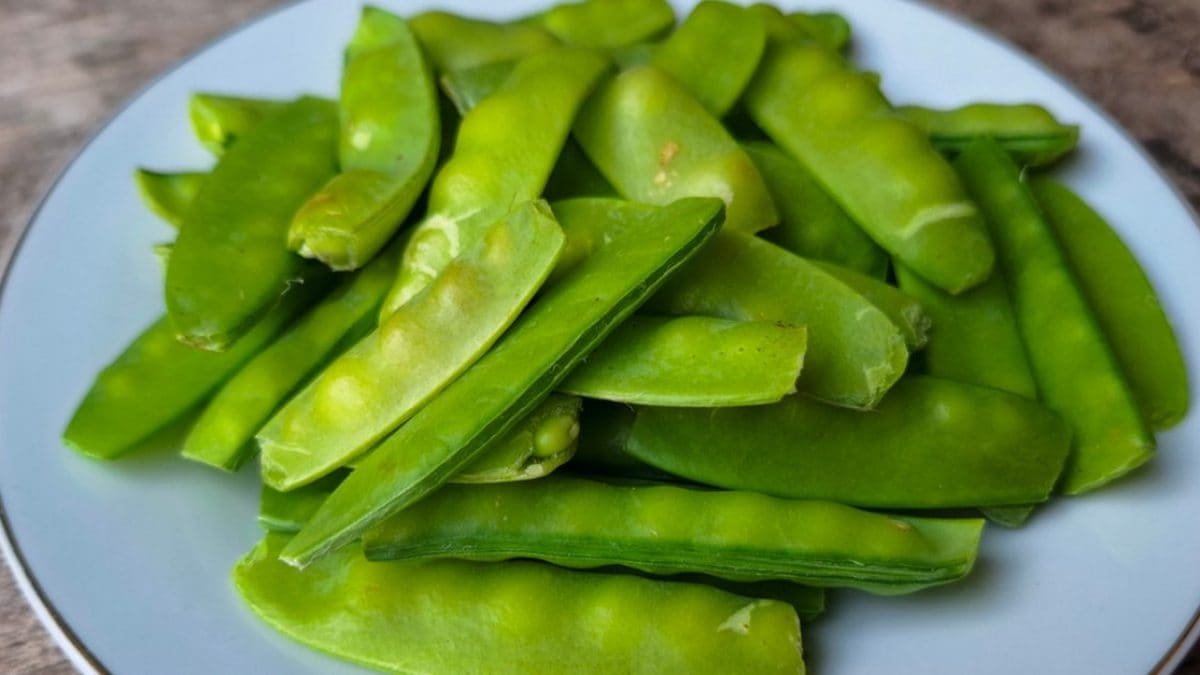
As small as they are tasty, peas are an exceptional legume, rich in nutrients and beneficial for our body. Excellent allies for those suffering from gastrointestinal problems, they contain a high amount of fiber that helps provide a greater feeling of satiety. There are countless recipes that feature them: with rice or pasta, as a tasty side dish or to make delicious and colorful crepes. Let's discover together all the properties of peas.
Peas' Origins and Characteristics
Often classified as vegetables, peas are actually legumes derived from a plant called Pisum sativum, belonging to the Fabaceae family (also known as Leguminosae), which can be found in various sizes: dwarf, semi-dwarf, and climbing. It is thought that pea cultivation dates back to the Neolithic, becoming one of those foods that have accompanied human evolution and eating habits. The cultivation period, however, generally runs from May to June, and they are grown in various parts of the world: in Asian countries, North America, and the Mediterranean.

Peas' Benefits
Besides being incredibly delicious, peas have excellent nutritional values: for every 100 grams of product, they contain approximately 80 grams of water and 64 kcal. They are very versatile, available year-round, but if we want to eat them fresh, the perfect time is between spring and summer. Light and highly digestible, they are full of benefits for our digestive system and, in general, our body. They are rich in mineral salts such as phosphorus, calcium, potassium, magnesium and also various vitamins such as vitamin C, vitamins A, B and K and, thanks to their low glycemic index, they are particularly suitable for weight-loss diets.
1. They Aid Digestion
Thanks to their high fiber content, they are easily digestible, help maintain stable blood sugar levels and promote a feeling of satiety, thus contributing to weight control.
2. Great Allies for Your Heart
Fiber, phytonutrients and minerals provide valuable support for your heart health, reducing the risk of cardiovascular disease.
3. Bone Support
Peas are high in vitamin K and manganese, which are essential for keeping your bones healthy.
4. Blood Pressure Regulation
The high potassium content helps regulate blood pressure, thus reducing the risk of hypertension.
5. Benefits for The Skin
Among their countless vitamins, vitamin C is very important as it contributes to the production of collagen, essential for keeping the skin healthy and hydrated.
6. Diabetes Management
By helping regulate blood sugar levels, thanks to their low glycemic index and fiber content, peas can contribute to better diabetes management.
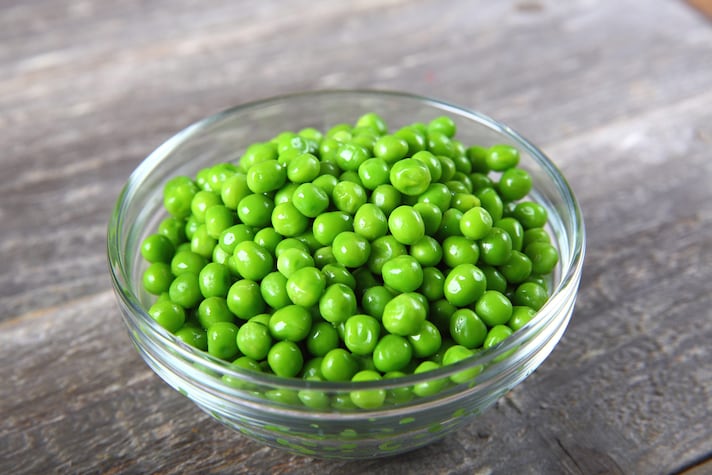
Peas' Contraindications
In general, peas are a healthy and nutritious food that does not cause any particular problems: in any case, it is a good idea to keep under control some specific situations in which they could cause some contraindications.
First of all, they can cause flatulence and intestinal gas, due to the presence of complex carbohydrates called oligosaccharides: for this reason, it is recommended to consume them after cooking, as the latter helps eliminate a series of antinutrients that contribute to the onset of digestive problems. However, people suffering from hyperuricemia or gout should consume them in moderation as they contain purines. Furthermore, due to the presence of vitamin K, the consumption of peas could interfere with some anticoagulant drugs such as warfarin.
;Resize,width=767;)
