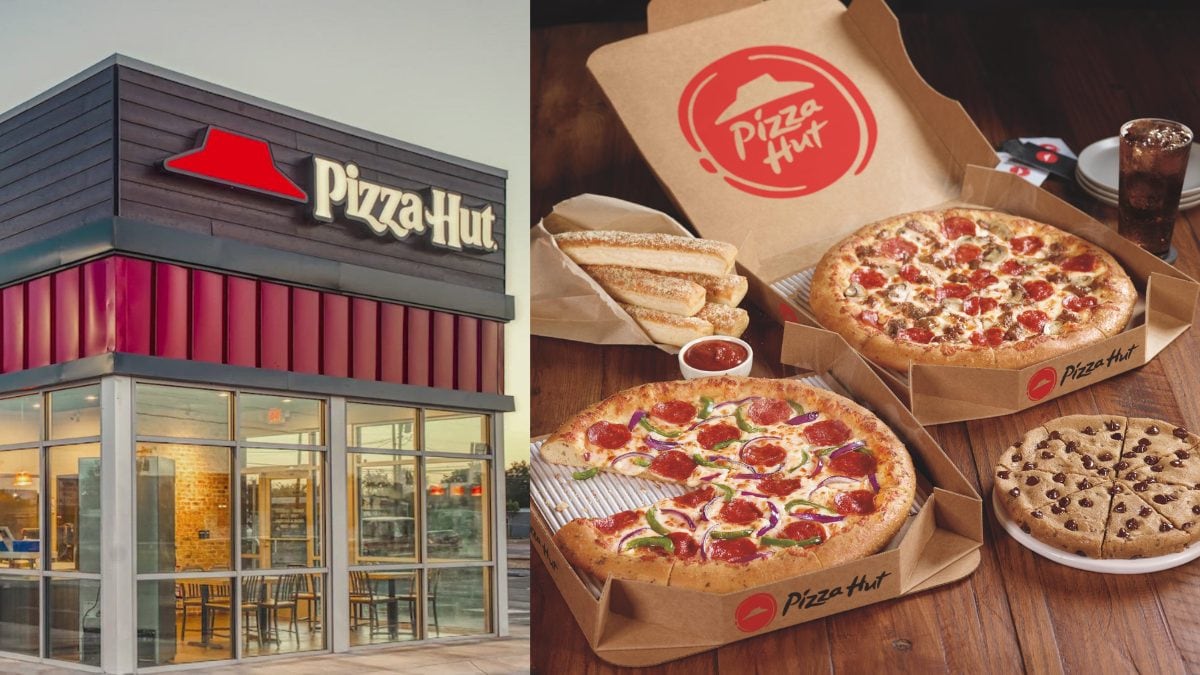
Pizza Hut confirmed that it will shutter 250 restaurants nationwide, focusing on dine-in locations that have struggled to keep pace with changing customer preferences. The closures are expected to roll out over the coming months, with affected employees offered opportunities to transfer to nearby stores or receive severance packages.
Why the Closures?
The decision comes as Pizza Hut faces declining sales and increased competition in the fast-casual and delivery sectors. While the brand remains one of the largest pizza chains in the world, its traditional sit-down restaurants have lost ground to rivals like Domino’s and Papa John’s, which emphasize delivery and digital ordering.
Industry analysts note that Pizza Hut’s dine-in model has been particularly vulnerable since the pandemic, as customers increasingly favor quick-service and delivery options. Yum! Brands said the closures are part of a “strategic review” aimed at streamlining operations and focusing on more profitable formats.
Consumer Impact
For many communities, Pizza Hut has been a familiar fixture for decades. The closures will reduce the chain’s footprint, though Yum! Brands emphasized that delivery and carryout locations will remain open and continue to expand. The company is investing in smaller, delivery-focused stores designed to meet modern demand.
Broader Context
Pizza Hut’s struggles reflect a larger trend in the restaurant industry, where legacy brands are rethinking their business models to adapt to shifting consumer behavior. The closures follow similar moves by other chains that have downsized dine-in operations in favor of digital-first strategies.
;Resize,width=767;)
