The decline of the traditional, sit-down fast-food experience has been a defining narrative over the last decade, with major chains prioritizing sterile, minimalist drive-thrus over cozy dining rooms. Pizza Hut was no exception, trading its iconic architecture for a modern, carryout-heavy footprint. However, after announcing plans earlier this year to close 250 underperforming locations due to lagging sales, a bold, retro counter-strategy is quietly stealing the spotlight.
As of May 2026, more than 140 locations across the United States have officially been transformed into "Pizza Hut Classics"—physical time machines meticulously designed to look and feel exactly like the beloved neighborhood hubs of the 1980s and 1990s.
The Daland Corporation
While Pizza Hut corporate quietly established its official "Classic Remodel" guidelines a few years back—launching the very first experimental prototype in Ashdown, Arkansas, in 2019—the explosive momentum behind this retro revival is being driven by dedicated franchise operators. Leading the charge is Tim Sparks, president of the Kansas-based Daland Corporation.
Out of the 93 Pizza Hut restaurants Daland operates across several states, Sparks has already put 38 locations through a physical time machine. His personal connection to the brand adds a poetic layer to the project: Sparks first joined Pizza Hut as a teenage dishwasher in 1983 before climbing the corporate ladder to become a major franchise owner. For him, the multi-million dollar remodeling push is about resetting a cultural disconnect.
“If we can get them in here as a family, they do tend to put their phones down and actually have conversations and speak with each other,” Sparks noted in a recent interview. “I’m not going to tell you I know how to fix the world. But I do think that family is a good place to start.”
Rebuilding an 80s Haven
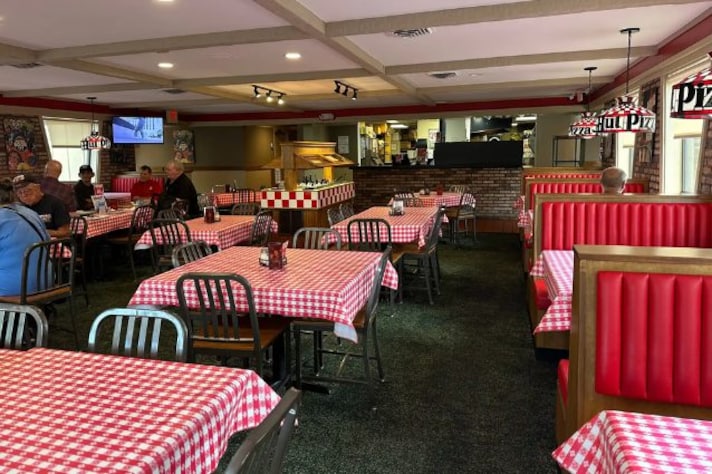
Walking into a Pizza Hut Classic isn't a subtle nod to the past; it is an uncompromising immersion. The renovated properties proudly feature the iconic red-roof exterior, welcoming guests into a dining room explicitly engineered to trigger childhood memories.
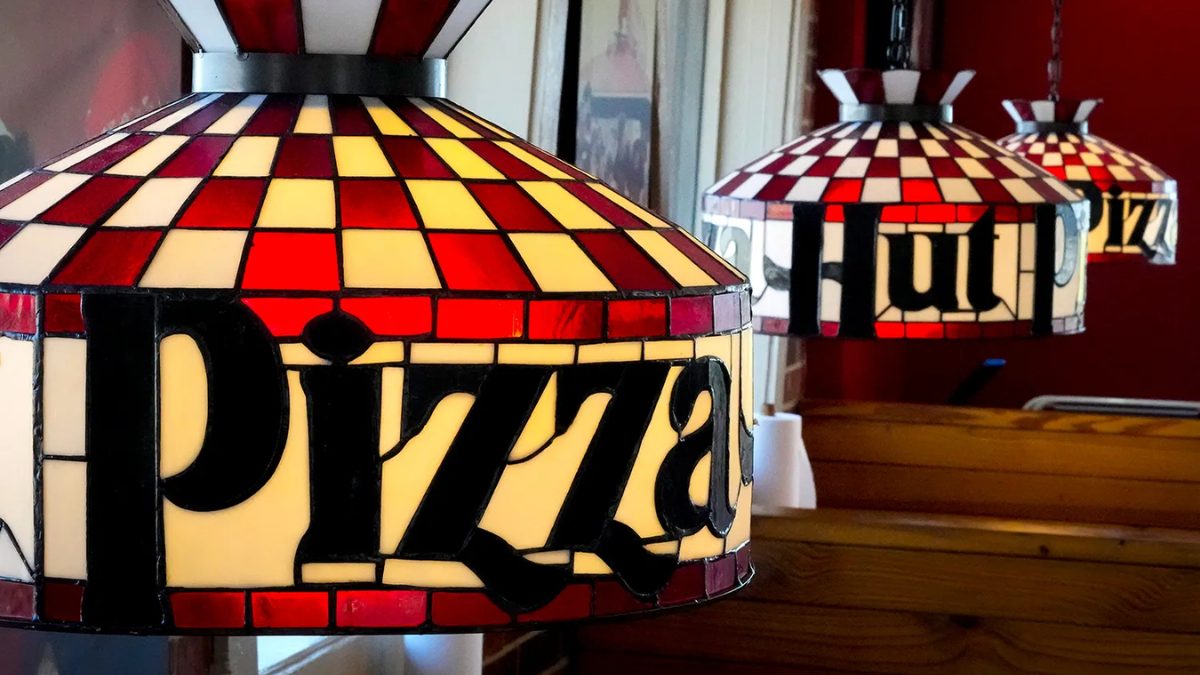
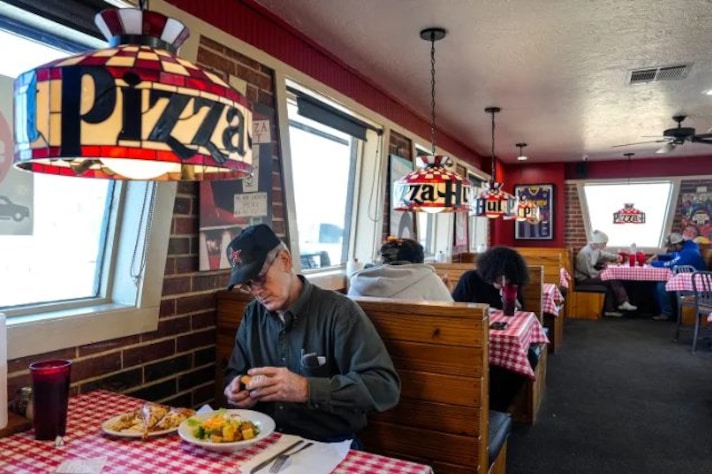
The spaces are outfitted with row after row of deep red vinyl booths and plastic checkered tablecloths, all illuminated by the dim, warm glow of stained-glass, Tiffany-style overhead lamps. On the tables sit the familiar glass shakers of parmesan cheese and crushed red pepper flakes, positioned alongside the ultimate holy grail of fast-food nostalgia: the signature pebbled red plastic cups.
Beyond the aesthetics, the Classic format has resurrected two operational elements fans have spent years begging for on social media: the legendary, all-you-can-eat old-school salad bar and a dedicated arcade corner anchored by playable Pac-Man machines. Outside several of these locations, brass plaques honor founders Dan and Frank Carney, who started the empire in Wichita, Kansas, in 1958 with a $600 loan from their mother.
A Major Financial Win
From a business perspective, turning back the clock is proving to be a stroke of marketing genius. While the chain's standard modern units continue to face intense pressure from digital-first competitors like Domino's, the retro-themed dining rooms have skyrocketed to become Daland Corporation’s strongest-performing locations.
The phenomenon has taken on a viral life of its own through organic word-of-mouth and social media. Free from traditional ad campaigns, these locations have become destinations for "Hut hunters" and millennial parents eager to show their children where they grew up. Some dedicated fans are reportedly driving up to three hours just to experience a personal pan pizza the way it tasted in 1989. Coupled with the brand's recent digital revival of the vintage "BOOK IT!" summer reading program, Pizza Hut is proving that sometimes, the smartest way to build the future is to perfectly replicate the past.
;Resize,width=767;)
