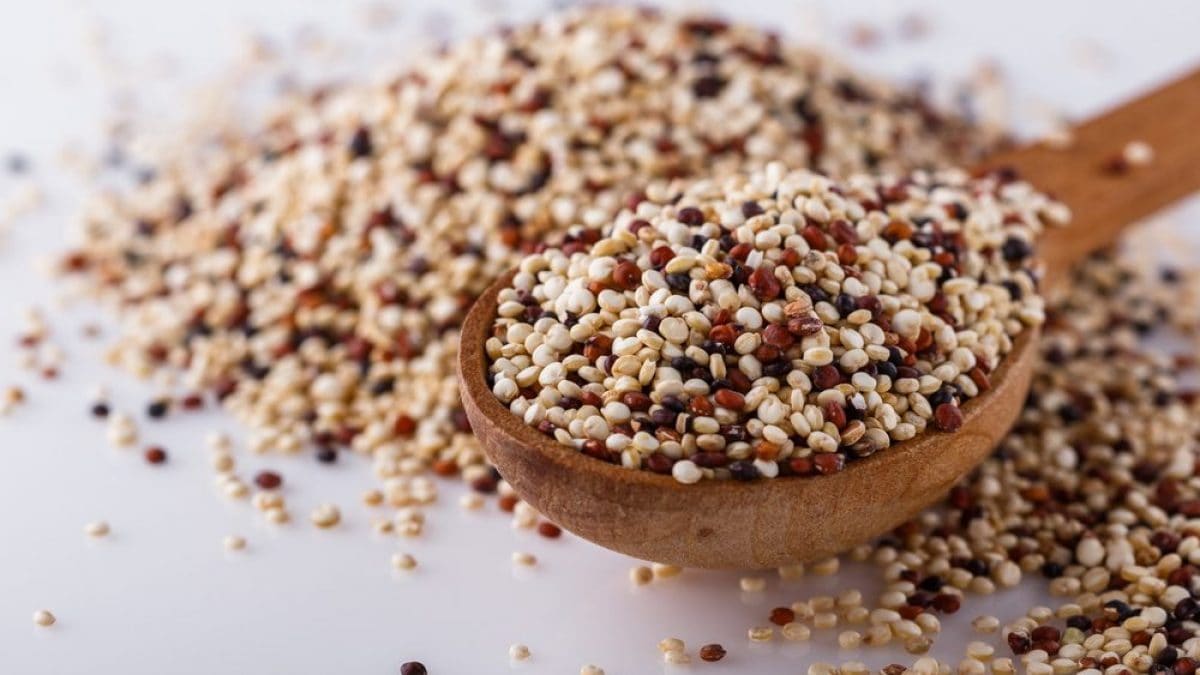
Frequently and incorrectly referred to as cereals, pseudocereals are actually seeds. Among the best-known and most popular are quinoa, amaranth, and buckwheat, which, being gluten-free, are perfect for those with celiac disease or gluten intolerance. In recent years, the lesser-known cañihua has also become popular, prized for its sweet, slightly nutty flavor and great culinary versatility.
In addition to being gluten-free, these fake grains boast an excellent nutritional profile (especially protein) and, compared to cereals, contain higher amounts of fiber, vitamins, minerals, and unsaturated fats. Their high lysine content, an amino acid essential for calcium absorption in the digestive tract, which our body cannot synthesize on its own, makes them among the most valuable products in our diet.
For all these reasons, pseudocereals, with a millennia-old history and cultivated in exotic and distant lands, are gradually conquering the hearts and palates of Americans, who appreciate not only their properties and benefits, but also their taste and versatility. Let's look together at the most important ones, why they're beneficial, and how to best use them in the kitchen.
1. Quinoa
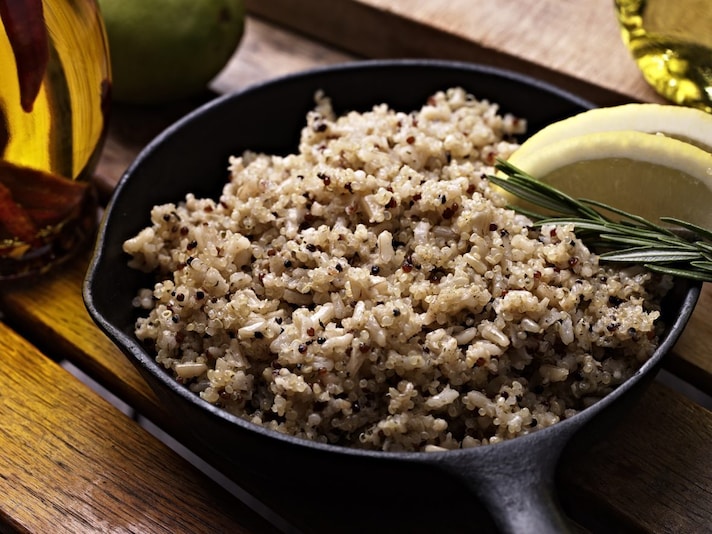
With a distinctive, slightly earthy flavor, quinoa, the undisputed queen of pseudocereals, is an annual herbaceous plant belonging to the Chenopodiaceae family, the same as spinach and beets. Venerated by the Incas, who even considered it sacred, it has been cultivated for over 5,000 years on the stony plateaus of the Andes at altitudes between 3,800 and 4,200 meters. This plant, which requires no special treatment, can reach 3 meters in height and produces round seeds of different colors depending on the variety (white, red, black, etc.).
One of the best, called "real quinoa," grows in the salty lands of the Salar, in the areas of Oruro and Potosí. Fermented quinoa is used to make chica, a traditional Andean alcoholic beverage. A staple in propitiatory ceremonies for many years, it is poured onto the ground with ritual gestures by local farmers: this way they pay homage to Pachamama, or Mother Earth, asking her to be generous with their harvests.
Naturally gluten-free, it's considered a good source of plant-based protein (it contains approximately 15 grams per 100 grams of raw product); it's high in lysine, an amino acid important for calcium absorption in the digestive tract, and is rich in phosphorus, potassium, iron, and folic acid. When paired with legumes and vegetables, it makes a healthy and nutritionally complete vegetarian one-dish meal.
A tip: before boiling it, rinse it thoroughly under cold running water to remove all traces of "saponin," a bitter resin produced by the plant itself to protect the seeds from birds and insects. Extraordinarily versatile, it lends itself to countless delicious and creative recipes: from salads and soups to burgers and meatballs. Also available in flakes or flour, it's perfect for breakfast (for example, as a base for porridge in place of traditional oat flakes) or for making bread, baked goods, and cakes.
2. Buckwheat
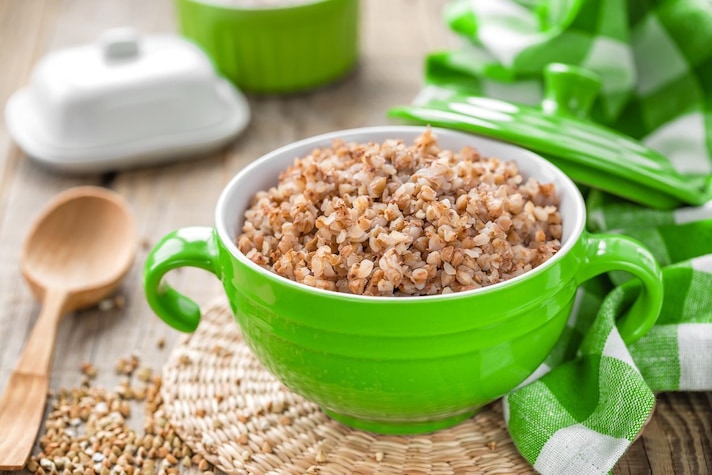
Despite its misleading name, buckwheat is actually a gluten-free pseudocereal. It is an annual herbaceous plant belonging to the Polygonaceae family, native to Central Asia and cultivated in cold countries, especially in European Alpine valleys. Either in grains or as flour, buckwheat is the main ingredient in many recipes, especially mountain cuisine it is the basic ingredient in numerous traditional Northern Europe dishes.
With a delicate and distinctive flavor, this pseudocereal is composed primarily of complex carbohydrates; considered a source of good-quality protein, it contains eight essential amino acids. Rich in minerals, particularly potassium, calcium, and phosphorus, vitamins, and polyunsaturated fatty acids, it is a food with undisputed beneficial, antioxidant, and energizing properties (it is particularly recommended for athletes, pregnant women, and the elderly). Not to mention that it is also delicious and exceptionally versatile: simply boil it in salted water (preferably so it absorbs twice its volume of water) and season it with vegetables and a protein of your choice, for a flavorful, wholesome, and well-balanced dish. When ground into flour, it can be used to make rustic breads with a distinctive flavor, soft, gluten-free plum cakes, and even delicious cakes.
3. Amaranth
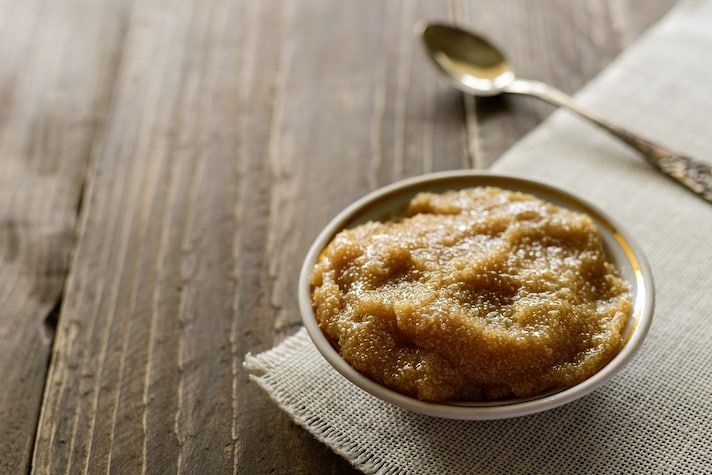
With a sweet, rounded flavor reminiscent of walnuts, amaranth is considered—thanks to its high nutrient density—a true superfood. Its name derives from the Greek and means "that which does not wither, that which does not die," and even Aesop dedicated a fable to it, "The Rose and the Amaranth." With a history spanning thousands of years, this plant is native to Central America and comprises several species (only three of which are edible). Defined by the Aztecs as "the mysterious grain" or "the grain of the gods," it played a central role in religious rituals: kneaded with corn flour and used to shape figures that recalled the idols being celebrated, amaranth was then consumed at the end of the propitiatory rite. The Incas, however, called it "the little giant" (kiwicha) and particularly appreciated its healing and therapeutic properties.
Long forgotten, it has gradually been rediscovered and revalued in recent decades, thanks to the publication in 1975 of a botanical book edited by the US National Academy of Sciences, which described its nutritional characteristics and beneficial properties. A good source of calcium, potassium, phosphorus, and vitamins A and C, it is composed of approximately 17% protein and is particularly rich in lysine.
How do you cook amaranth? Just like quinoa, it must first be rinsed under running water and then boiled in salted water, three times its volume, for 30-40 minutes. Once cooked, turn off the heat and let it rest in the pot, covered, for about ten minutes. At this point, it's ready to be dressed with seasonal vegetables, legumes, spices, and aromatic herbs, resulting in a quick, delicious, and healthy salad. This pseudocereal can also be used to make tasty soups, and thanks to its slightly "sticky" consistency, it lends itself to croquettes, burgers, and meatballs. When puffed, it can be added to yogurt and fresh fruit for a delicious and wholesome breakfast or snack.
4. Cañihua
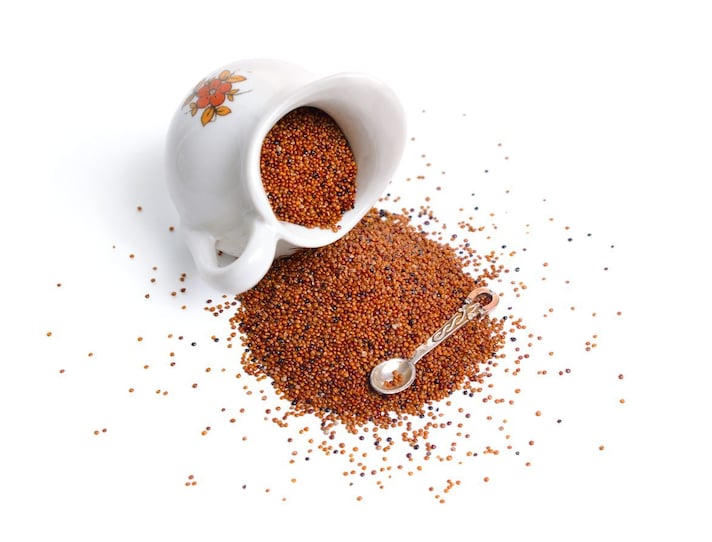
It's quinoa's little sister, so rich in beneficial substances that it's been called the "seed of health." Cañihua (or canahua) is a plant belonging to the Chenopodiaceae family that grows in some areas of Bolivia and Peru. It's characterized by its remarkable resistance not only to cold, but also to drought and parasites. It appears as tiny amber-colored grains, slightly crunchy even after cooking, with a sweet and slightly nutty flavor.
Completely gluten-free, just like other false grains, it is perfect for those with intolerances or allergies to this protein, as well as for those following a vegan or vegetarian diet. Rich in fiber (about 15 grams per 100 grams of product), magnesium, calcium, phosphorus, and iron, it also has a decent protein profile: for this reason, combined with legumes and vegetables, it represents a nutritionally well-balanced one-dish meal. It is also cholesterol-free and particularly digestible and energetic (therefore also excellent as a supplement for athletes).
How is it cooked? Boiled in salted water, again for absorption (this will take about 20 minutes), but, unlike quinoa, it doesn't contain saponins —the substances responsible for its slightly bitter taste—and therefore doesn't need to be rinsed under running water first. Once cooked, it's perfect for making tasty salads, delicious meatballs, and creative dishes. It can be purchased online or in organic shops and is available both whole grains and ground into flour: in the latter case, thanks to its naturally sweet flavor, it lends itself to adding body to muffins, pancakes, or soft cakes.
5. Chia Seeds
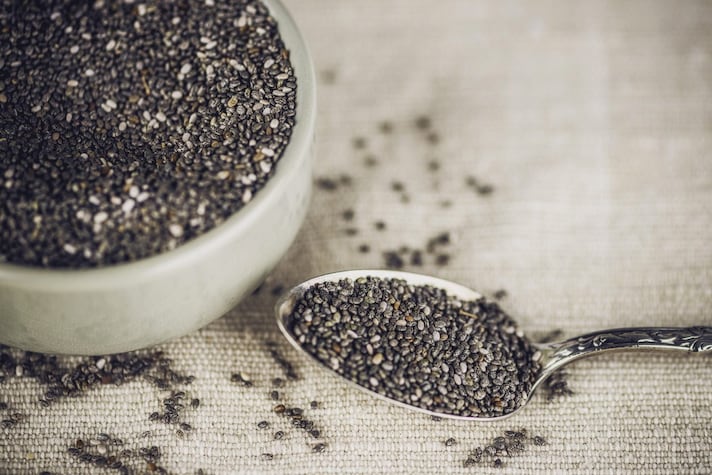
Compared to the ingredients discussed above, chia seeds have different organoleptic and nutritional characteristics. They don't need to be boiled and are consumed whole (or ground) and can be added to plant-based drinks, yogurt, smoothies, or even simply to a little water. Within minutes, they release a gel with binding, gelling, and emulsifying properties, so much so that they can replace eggs (in whole or in part) in many sweet and savory recipes. One of the most famous desserts, also perfect for a healthy and energy-giving breakfast, is chia seed pudding (or chia pudding, as it is known abroad). In this case, the seeds are added to a little plant-based milk, sweetened, and then left to firm up for at least an hour in the refrigerator. After this time, you will have a delicious spoon dessert that can be garnished with fresh or dried fruit, as desired.
Chia seeds are the fruit of a plant native to Central America, specifically Guatemala and Central and Southern Mexico. They belong to the Lamiaceae family (genus Salvia, species hispanica), the same family that includes highly aromatic plants such as mint, lemon balm, lemon balm, and lavender. The term "chia" means "oily," and in fact, up to 25-30% oil can be extracted from its seeds. A valuable source of omega-3 and omega-6 fatty acids, they are rich in plant proteins, minerals (especially calcium), vitamin C, and dietary fiber. Thanks to these properties, they are valuable natural antioxidants, an important source of energy, and a key ally for maintaining a healthy figure and gut. In short, enjoy every last grain.

