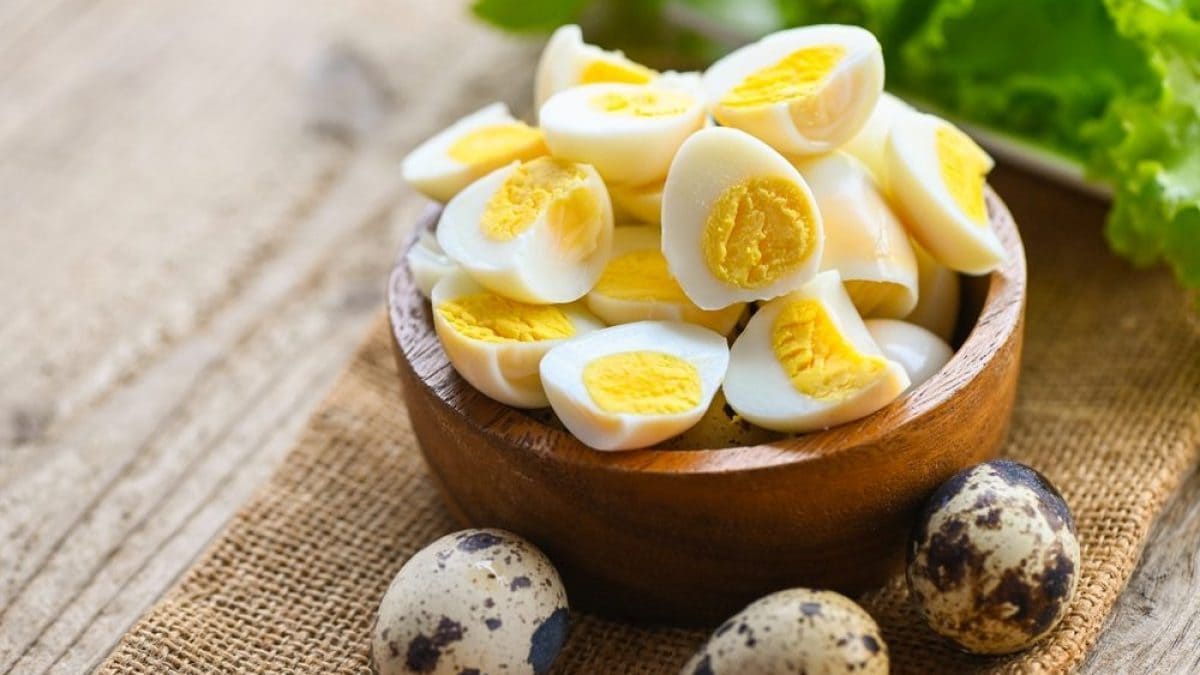
Small, charming, and versatile: quail eggs are a sophisticated alternative to traditional chicken eggs when it comes to creating flavorful dishes that stand out from the crowd. More than just an ingredient, they become the stars of the show, adding a touch of class to finger foods, salads, and tartare, perfect for creating simple yet creative single-serving appetizers. What's different about them? Besides their smaller size, they stand out for their greater presence of yolk, which adds creaminess and intense flavor, while still remaining a delicate morsel. Here's what you need to know if you're thinking of buying them.
Quail Eggs' Characteristics and Differences From Chicken Eggs
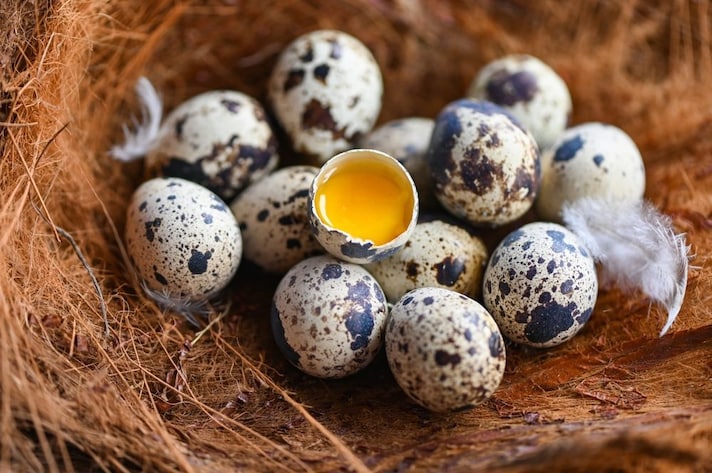
Let's start by saying that quail eggs come from the common quail, a small bird common in Europe, Asia, and Africa, also prized in cooking for its meat: from a production point of view, a single individual lays an average of 250 to 300 eggs a year, a significant quantity that has contributed to making them more available on the market, also thanks to farming: the eggs are accessible to everyone, but more expensive than common ones, also available in supermarkets in packs of 12 or 18 pieces, with a price ranging from $5-10, which can increase if it is an organic product. Recognizing them is simple: they weigh around 20-25 grams with the shell, equal to 9-12 grams without the shell, compared to around 60 grams for chicken eggs. The shell is thin and appears grey-beige in color with speckled brown and black spots, making them particularly sophisticated. And what about the inside? The yolk is larger than the egg white, a composition that gives quail eggs a slightly more intense flavor and a richer, creamier consistency: both are characteristics that positively influence preparations.
Nutritional Values, Benefits and Contraindications
Quail eggs can be defined as a powerhouse of nutrients: despite their smaller size, they contain (always in proportion) a greater quantity of mineral salts (especially phosphorus, potassium, calcium and iron) and vitamins (especially vitamin A and B group, such as folate) when compared to chicken eggs. They are a food that provides high biological value proteins and have a lipid content of around 11-15 grams per 100 grams, with a good distribution of the so-called "good" omega-3 and omega-6 fatty acids, which support cardiovascular health, support cellular functions and protect the immune system. Their cholesterol level is high, reaching double that of chicken eggs (844 mg vs. 372 mg per 100 grams): hence the attention given to their consumption by those suffering from hypercholesterolemia. Calories also increase: 160 kcal per 100 grams instead of 128: to replace one chicken egg, you need 3-4 quail eggs, and experts recommend consuming a maximum of 5 per week. One aspect not to be underestimated is that of allergies: although they are considered less dangerous, quail eggs can also cause allergic reactions (especially in children) because they contain ovalbumin and ovomucoid, which are the trigger proteins. For this reason, cross-reactivity can occur: those allergic to chicken eggs may not tolerate quail eggs as well, so it is advisable to consult your doctor.
How to Cook Quail Eggs
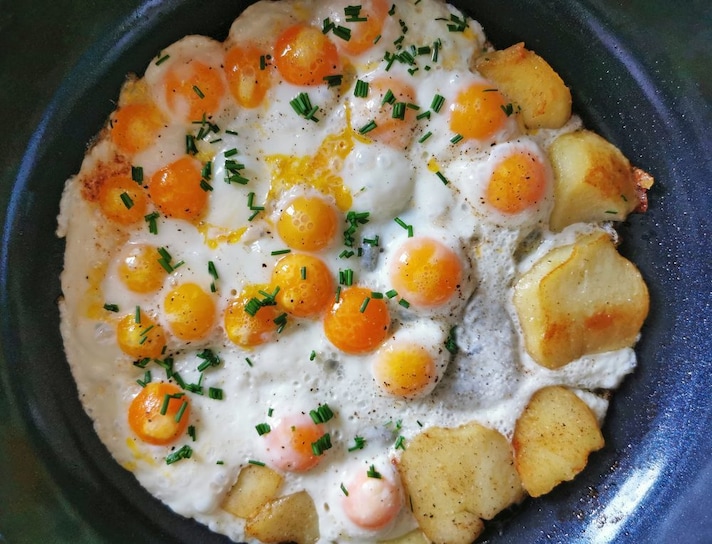
Quail eggs have such a refined and captivating aesthetic that the best way to use them in the kitchen is to showcase them individually in savory dishes. Taking advantage of the limited cooking time, it's always best to cook them: hard-boiled eggs take just 4-5 minutes, while soft-boiled eggs take 2-3 minutes, as well as poached eggs, with the yolk remaining soft and melting, the height of delicacy. They lend themselves to being elegant garnishes in canapés and tartare, to enrich salads, and as an impressive filling for individual tarts or puff pastry pies. They are particularly delicious when fried, first boiled, then shelled and coated in breadcrumbs, for a result similar to that of Ascoli olives. To remove the shell, a trick is to cool them in ice water after cooking and then apply light pressure on the work surface to gently break the shell. The best pairings are similar to the classic ones that highlight eggs in general (including goose or ostrich eggs), to create tasty and balanced combinations: make room for seasonal vegetables (sour lettuce, asparagus, zucchini, spinach, tomatoes, carrots, broccoli), avocado, bread and cereals (i.e. the carbohydrate portion), but also truffles, both black and white for more elegant recipes, smoked salmon, cured meats and fresh cheeses such as stracchino, crescenza, robiola and goat cheese, perfect for creating delicious finger foods. Finally, since they are small, don't consider them for frittatas, omelettes or for making pastry dough: you would have to use too many and the substitution, especially in desserts, may not yield the same results due to the different consistency, caused by the different ratio of yolk to egg white.