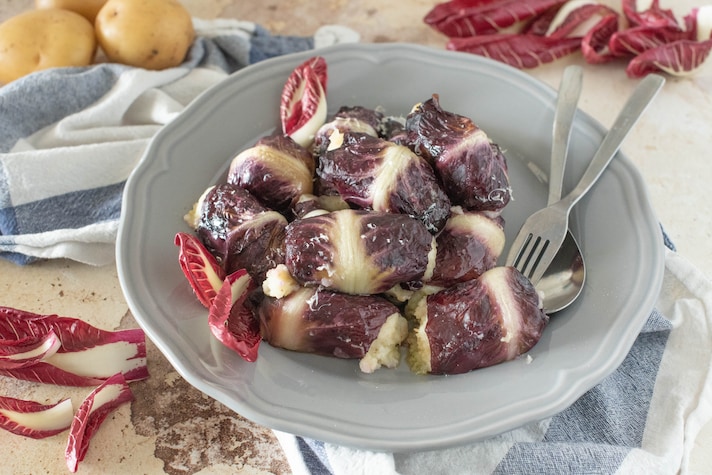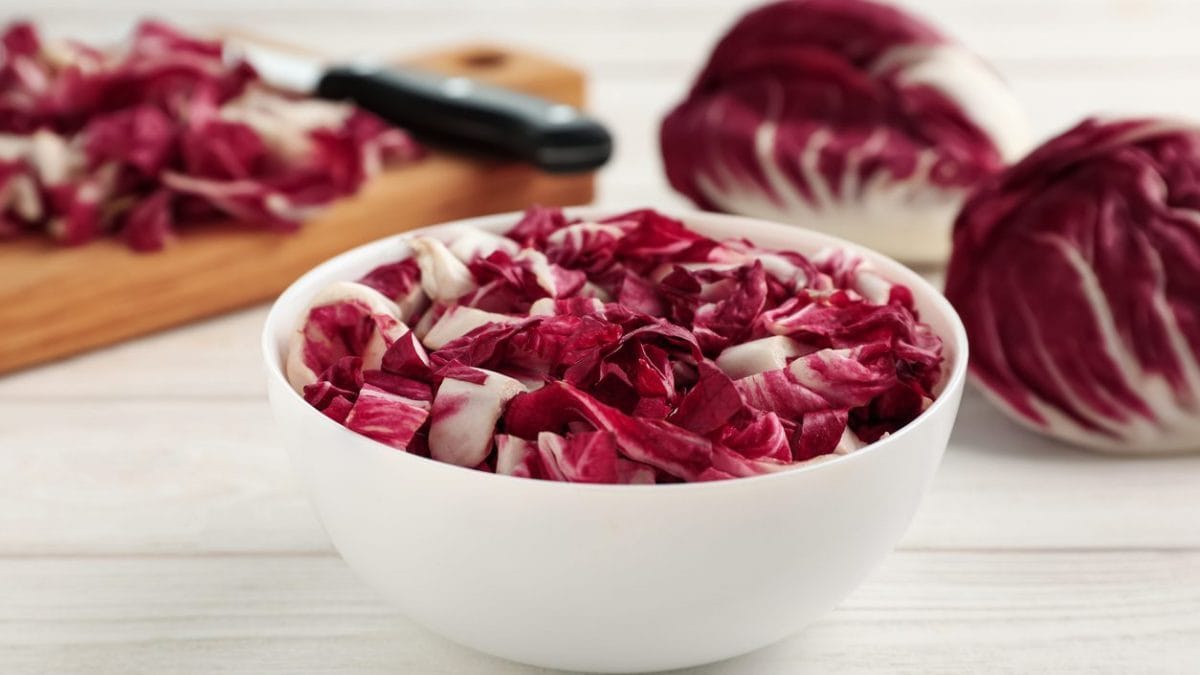
Red, variegated, or white, radicchio is an autumn vegetable belonging to the Compositae family, the same family as chicory. It's a diuretic and low-calorie food characterized by its bitter taste and crunchiness: depending on the harvest period, radicchio is classified as early or late, more or less bitter and crunchy. Light, digestible, and good for the heart and intestines, radicchio is rich in minerals, vitamins, and antioxidants. Here's everything you need to know about radicchio and how to best use it in the kitchen.
Radicchio's Properties and Benefits
Radicchio is mostly water (almost 93%), contains very few calories (just 16 kcal per 100 grams of fresh product) and is rich in mineral salts, particularly phosphorus, magnesium, iron, potassium, but also zinc, copper, and manganese. It contains a good amount of fiber and vitamins, particularly vitamin K, vitamin A, vitamin C, and vitamin B, while chicoric acid gives it its typically bitter flavor. Virtually free of fat, sugar, and cholesterol, radicchio is also rich in fiber, flavonoids, and lutein. Digestible, light, and flavorful, radicchio is a great ally for our health. Among the numerous benefits it provides to our body, we find:
- Purifying and detoxifying effect: Composed primarily of water, radicchio has a diuretic and detoxifying effect; fiber and mineral salts also stimulate liver function, thus promoting the elimination of waste substances from our body;
- radicchio contains polyphenols, in particular anthocyanins, substances with antioxidant and anti-inflammatory properties, capable of stimulating and protecting the cardiovascular system;
- friend of the stomach and intestines: the bitter substances present in radicchio stimulate the production of gastric juices, aiding the natural digestion process;
- the high presence of fibre makes radicchio an excellent natural remedy for fighting constipation;
- Vitamin K facilitates blood clotting, protects blood vessels and the cardiovascular system, while vitamin C helps our immune defenses;
- it can have an antioxidant effect, counteracts cellular aging and the level of bad cholesterol in the blood;
- Radicchio is recommended for those suffering from type II diabetes because it can regulate blood sugar levels, while the fibres can retain sugars present in the blood;
- calcium and iron help bone metabolism, strengthening them;
- Vitamin A and flavonoids help and protect the eyes, improving vision health.
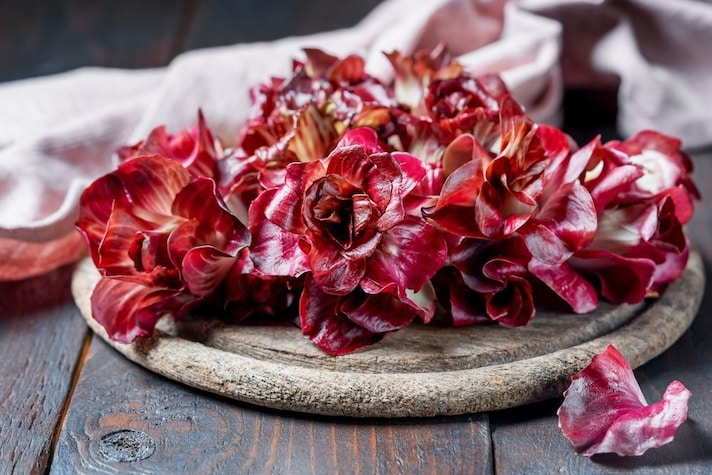
Radicchio's Contraindications
Radicchio consumption generally presents no particular side effects for most people. However, as with any food, it's possible to develop intolerances or allergies to radicchio: in this case, it's essential to avoid its consumption.
If you suffer from gastritis, it's best to consume it in moderation, preferably cooked, to avoid further irritating the gastric mucosa. Radicchio also contains a small amount of nickel: people with nickel sensitivity should consume it in moderation or consult their doctor.
Tips for Choosing and Storing Radicchio
When buying radicchio, pay attention to these details:
- Leaves. The leaves should be crisp, brightly colored, and free of spots or soft spots.
- Weight. Radicchio should be heavy for its size, a sign of freshness.
- Heart. The heart of the radicchio should be firm and free of any signs of rot.
To best preserve radicchio for a few days, you can use the refrigerator: wrap it in a sheet of absorbent paper to absorb excess moisture and place it in the crisper drawer. Wash radicchio only before using it: water can encourage mold growth. Avoid plastic bags, which don't allow radicchio to breathe and can accelerate its deterioration. To preserve whole leaves longer, cut only the portion you need for your recipe.
How to Best Use It in The Kitchen
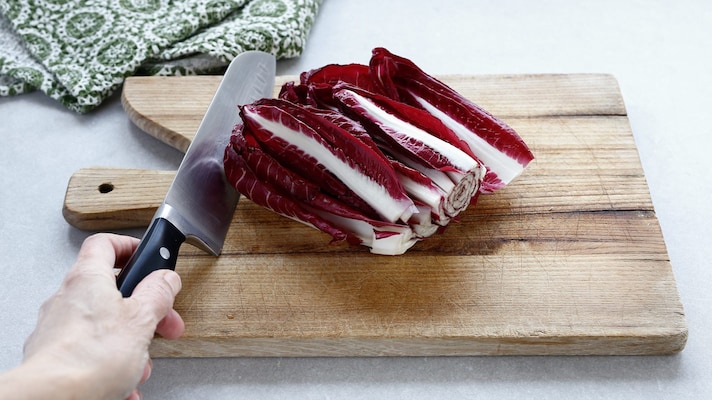
Radicchio, with its slightly bitter flavor and intense color, is an ingredient that can be used in countless recipes and pairs with a variety of dishes. Radicchio is excellent in salads, either raw, cut into thin strips and dressed with extra virgin olive oil, balsamic vinegar, salt, and pepper. It can be paired with other ingredients such as walnuts, gorgonzola, apples, or oranges to create flavor contrasts. It can be pan-fried, baked au gratin, or stewed, but it's also an ideal ingredient for filling savory pies, preparing risottos, stuffed pasta, or as a side dish. Sautéed in a pan with brown sugar and balsamic vinegar, it's perfect with cheeses or meats.
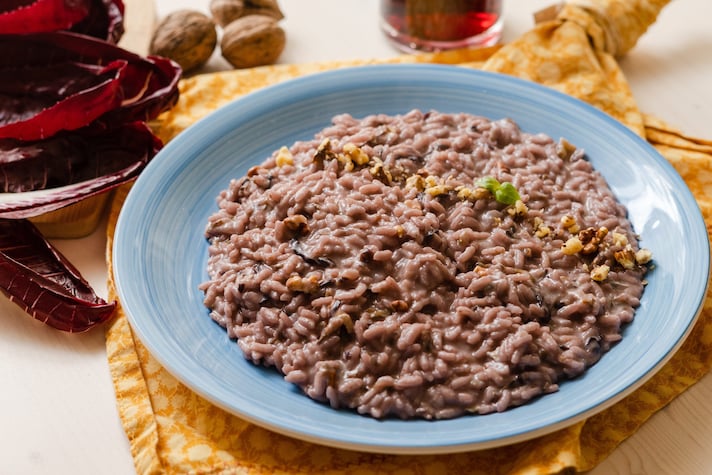
Radicchio can also be used with pasta, for example, paired with pork sausage to nicely balance the bitterness, or with gorgonzola, one of the most popular pairings. In addition to gorgonzola, radicchio also pairs well with other cheeses, such as Taleggio, Fontina, and Grana Padano.