Characterized by thick, dense leaves of a deep reddish-purple color and a compact, ball-shaped shape, red cabbage —known simply as red or purple cabbage—is one of the most scenic and precious vegetables nature has to offer during the colder months. Belonging to the vast botanical family Brassicaceae (or Cruciferae), the same family as broccoli, cauliflower, Savoy cabbage, and Brussels sprouts, it begins to appear on market stalls starting in autumn and remains there until the end of winter, when it guarantees maximum freshness, fragrance, and nutrient concentration.
With a pleasantly crunchy texture and a sweet flavor, with a subtle pungent note that makes it incredibly versatile in the kitchen, it is a true elixir of well-being: its characteristic chromatic shade is due to the massive presence of anthocyanins, powerful antioxidant molecules belonging to the flavonoid family, known for their ability to counteract cellular aging and support cardiovascular health.
Low in calories, but generous in water and essential nutrients, it boasts an even higher concentration of vitamin C than white cabbage (or the much more famous citrus fruits), accompanied by good doses of vitamin K, folate, potassium and prebiotic fibres capable of promoting intestinal regularity and supporting the immune system.
To understand how to make the most of its potential, we will delve into the topic with our trusted expert, biologist and nutritionist Simone Gabrielli, who will reveal how to use this vegetable in the kitchen – how often and in what quantities – to make the most of its invaluable nutritional value.
Red Cabbage's Nutritional Properties
From a caloric and nutritional standpoint, red cabbage is a very low-energy food, providing just 25-30 kcal per 100 g, but with a high density of micronutrients. It is composed of over 90% water, a characteristic that makes it a valuable ally for weight control and has a decisive hydrating and draining effect. Helpful for promoting intestinal regularity and prolonging the feeling of satiety, it offers an excellent amount of dietary fiber (about 2.5 g).
The strength of this vegetable lies in its rich content of bioactive molecules, starting with anthocyanins, the precious flavonoid pigments responsible for the characteristic purple hue and present in significantly higher quantities than in green or white cabbage.
This antioxidant barrier is accompanied by an exceptional amount of vitamin C: 100 g of raw product covers over 60% of the daily requirement, exceeding even oranges and white cabbage in quantity. Equally important is the amount of vitamin K, essential for both proper blood clotting and bone metabolism through calcium fixation.
It also provides good levels of vitamin A (in the form of beta-carotene) and B vitamins, essential for tissue health and cell regeneration. From a mineral perspective, it provides an excellent contribution of potassium, calcium, iron, and manganese, while having a completely negligible sodium content.
Main Health Benefits
Consumed regularly as part of a varied and balanced diet, red cabbage offers important health benefits:
- overall antioxidant action; the synergy between vitamin C and anthocyanins protects the body's cells from oxidative stress and damage caused by free radicals, reducing the state of low-grade systemic inflammation;
- immune system support: the high vitamin concentration supports the body's natural defenses, particularly useful during the cold season;
- glycemic control and satiety: the good content of soluble and insoluble fiber slows gastric emptying and modulates the absorption of sugars at the intestinal level, preventing post-prandial glycemic spikes and making this vegetable ideal for subjects with insulin resistance or type 2 diabetes;
- gut health: the combination of fiber and water fills the stomach, stimulates intestinal motility and provides nourishment to the bacterial flora (microbiota);
- cardiovascular protection: potassium contributes to the maintenance of regular blood pressure, while the habitual consumption of cruciferous vegetables is related to general protection of the cardiovascular system.
Possible Side Effects and Contraindications
Although red cabbage is a vegetable with remarkable qualities and rich in beneficial properties, there are some specific situations in which it should be consumed with caution. The first concerns people taking oral anticoagulant drugs, such as warfarin or acenocoumarol: the high concentration of vitamin K, which directly affects blood clotting, can counteract the effect of the active ingredient.
As Dr. Gabrielli points out, those following these therapies do not necessarily have to eliminate it, but it is necessary to maintain a constant and moderate consumption, avoiding sudden peaks or changes in the diet, so as not to alter the effectiveness of the drug.
Those suffering from hypothyroidism should be especially careful: like most Brassicaceae, red cabbage contains goitrogens that can interfere with the thyroid's uptake of iodine. This problem only arises in the presence of severe iodine deficiencies or from massive consumption of raw vegetables: cooking almost completely inactivates these substances.
Finally, for those suffering from irritable bowel syndrome or alterations in the intestinal microbiota: the fermentation of fiber and sulfur compounds by intestinal bacteria can cause bloating, cramps, or abdominal tension in people with particularly sensitive guts. In this case, too, subjecting the vegetable to a brief, gentle cooking process —such as steaming, sautéing, or baking—can improve its digestive tolerability.
How to Use Red Cabbage in Cooking
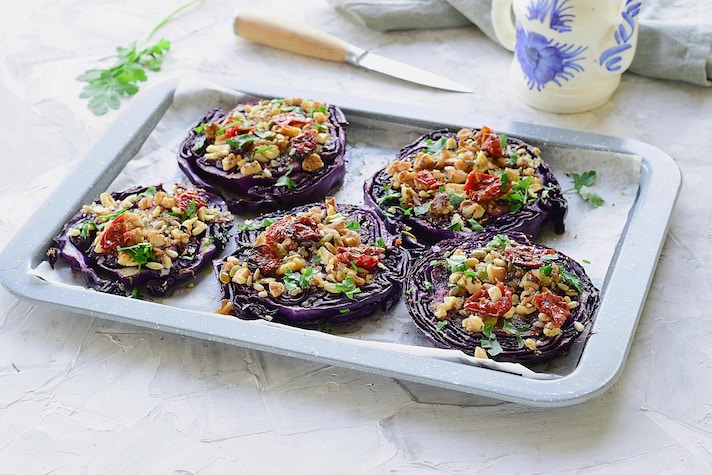
To get the most out of the nutritional value of red cabbage, the preparation and cooking methods play a fundamental role:
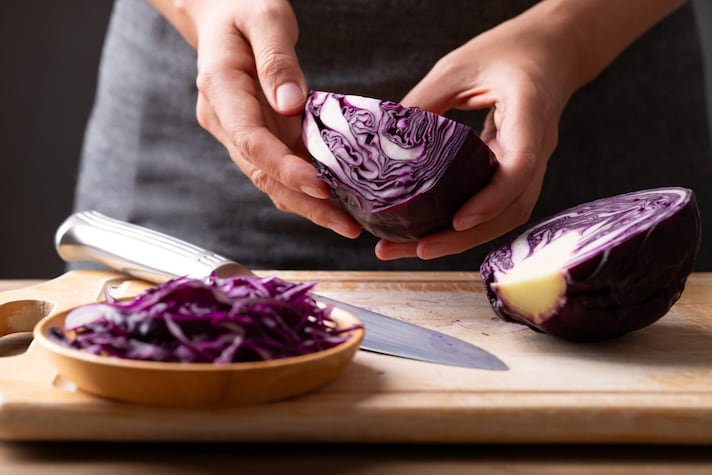
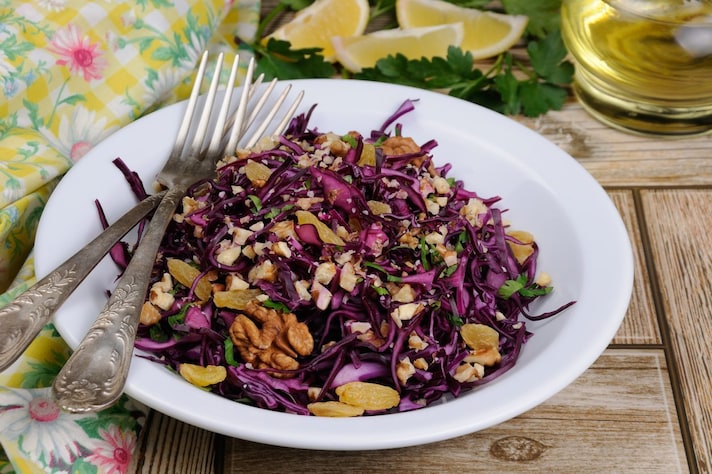
- Consume raw to preserve vitamin C: Since this vitamin and most phenolic antioxidants are heat-sensitive, the best way to consume them intact is to consume red cabbage raw. Sliced into very thin strips and marinated with a drizzle of extra virgin olive oil, apple cider vinegar, and/or lemon juice—the acidity of which also helps maintain the vibrant purple color—it makes an excellent base for crunchy and delicious winter salads, perhaps enriched with dried fruit, fresh fruit, and seeds (an excellent pairing is with apple or orange segments, fennel, and walnut kernels).
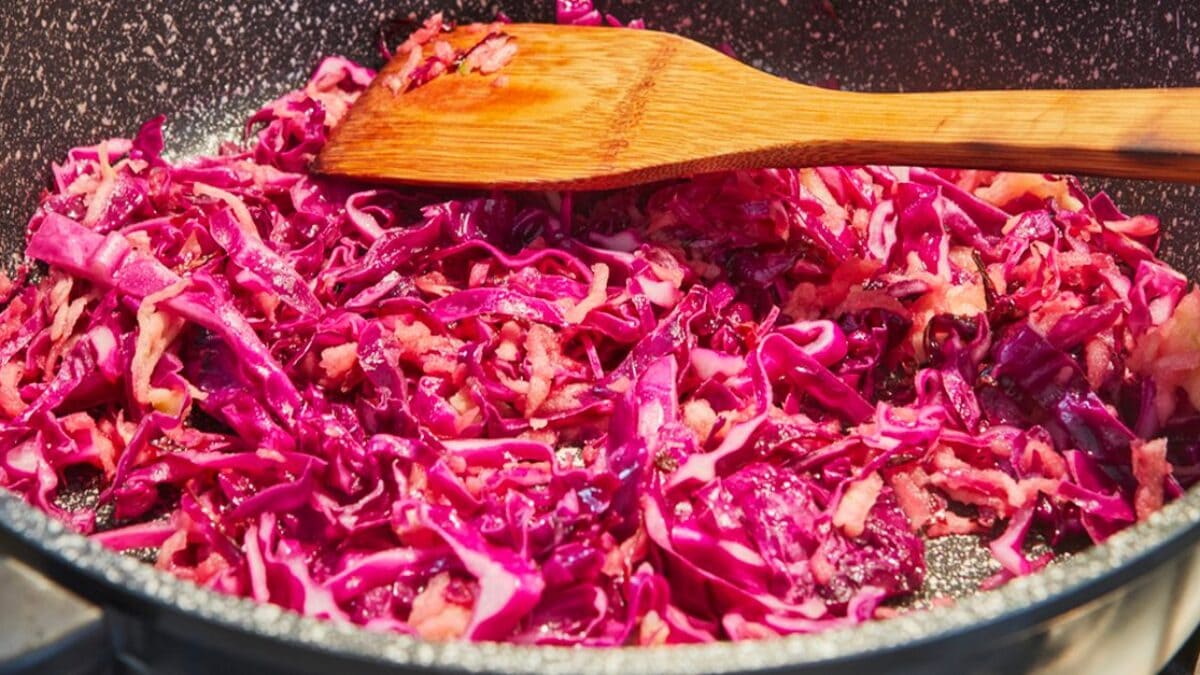
- Briefly steamed or stir-fried: if you prefer to eat it cooked, it's best to opt for brief, gentle cooking methods such as steaming or quickly stir-frying in a pan or wok with a drizzle of extra virgin olive oil. This minimizes the loss of mineral salts and the degradation of thermolabile vitamins, preserving as much of its vitamin content as possible.
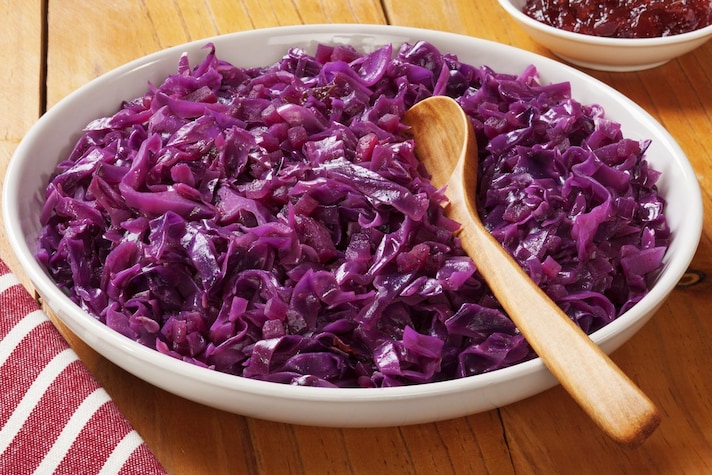
- Stewed or sweet and sour: a classic dish for the colder months, especially in Central European or Northern Italian traditions, it's slowly braised with a base of onion, vinegar, Rennet apples, or warming spices like cinnamon and cloves. The vinegar's acidity enhances the characteristic purple hue and balances the vegetable's sweetness, making it an ideal accompaniment for roasts, pork, legumes, and aged cheeses.
- Fermented preparations: Red cabbage is excellent for home fermentation to make homemade purple sauerkraut, which is rich in probiotics that are beneficial for the health of the intestinal microbiota.
Quantity and Frequency of Consumption
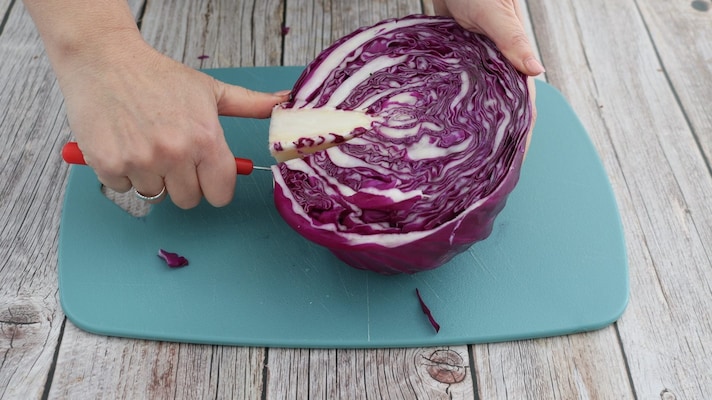
To fully enjoy the benefits of red cabbage without experiencing digestive discomfort, it's helpful to refer to the general indications in the CREA guidelines for portion sizes of vegetables.
The recommended serving size for a side dish is about 200 grams (excluding trimmings). If eaten raw as a base for a delicious mixed salad, a 100-150g portion, thinly sliced into julienne strips, is ideal for providing volume and satiety without weighing down the stomach.
As with other cruciferous vegetables, it can be included in our menus 2 or 3 times a week, alternating it regularly with vegetables of other colors and botanical families (such as carrots, spinach, fennel, pumpkin, mushrooms) to ensure the body a complete and balanced spectrum of phytocompounds and micronutrients.
Since this vegetable is extremely rich in prebiotic fiber and sulfur compounds, the key for those unfamiliar with cruciferous vegetables is to gradually introduce them: start with 80-100g, quickly sautéed or steamed (it's best to avoid eating them raw); these small adjustments allow the intestines to gradually adapt, preventing bloating or abdominal tension.

