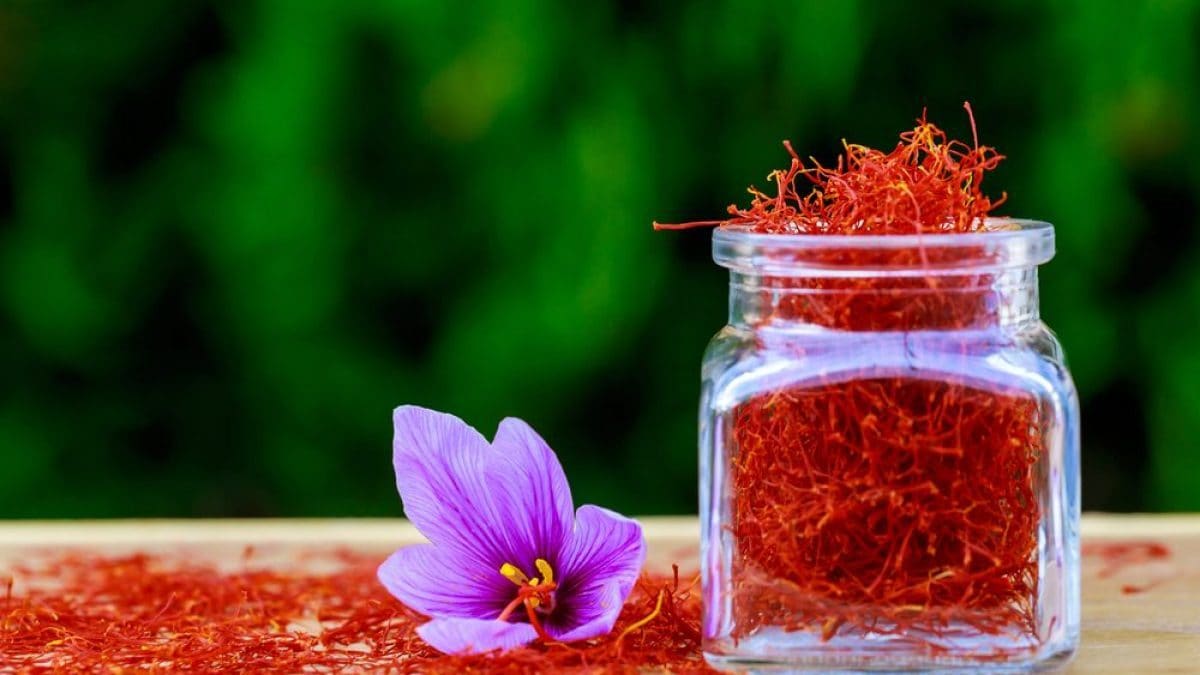
It is called "red gold" and is the most expensive spice in the world (the second is vanilla): we are talking about saffron, a prized ingredient in cooking for its unique color and aroma, the protagonist of traditional dishes such as seafood paella, but also of creative recipes, including desserts.
Its scientific name is Crocus Sativus and it appears as a beautiful lilac flower with three red stigmas inside: its high price is well justified by the fact that to obtain 1 gram of product between 160 and 200 flowers are needed, hand-picked one by one. Native to Asia, known as a medicinal plant, it was already used by the Romans, as a seasoning and dye for fabrics, and today, despite the limited national production, it boasts some truly excellent products having obtained DOP recognition.
Like most spices, it not only offers culinary benefits, but is also good for your health, as explained by Food Struct. Let's see why.
Saffron's Properties
Saffron is not only the spice that gives dishes their characteristic golden color, but also a food with a nutritional profile that should not be underestimated. 100 grams provides approximately 310 calories with 11.4 grams of protein, 65 grams of carbohydrates, 5.85 grams of fat, and almost 4 grams of fiber. It contains valuable vitamins such as A and C, along with several B vitamins, including niacin, riboflavin, thiamine, and folate. Minerals are also important, including potassium, magnesium, phosphorus, calcium, and iron. Completing the picture are more than 150 volatile compounds, such as safranal, the main component responsible for the characteristic aroma, and bioactive compounds such as crocin, picrocrocin, lycopene, and other carotenoids, which, in addition to giving saffron its red-orange hues, contribute to the beneficial effects for which it is known. To make the most of its properties, you need to know that we are dealing with a delicate spice, which must be stored with care, as it is sensitive to air, light and humidity: exposure to these factors compromises the quality of the product, as well as its effectiveness.

Saffron's Benefits
Saffron has been known since ancient times for its therapeutic properties, used for example in Indian Ayurvedic medicine: it is a powerful natural antioxidant, boasts aphrodisiac effects, aids digestion and proves to be a friend of good mood. Let's take a detailed look at the main benefits of this spice.
1. Fights Oxidative Stress
Saffron contains many substances beneficial to our body, such as crocins, which are part of the carotenoids, and safranal. On a health level, they help fight free radicals, combating cellular aging. In a study on 8 varieties of Campanian saffron, several samples highlighted the significant quantity of terpenes, volatile compounds that have antibacterial, antifungal, antitumor, analgesic and anti-inflammatory properties.
2. A Helping Hand to The Mood
One of the most interesting areas of research is a study linking saffron to the nervous system, specifically with regard to an improvement in the symptoms of mild and moderate depression and, to a lesser extent, anxiety. This is due to its active compounds, which, in tandem with its antioxidant function, help the brain produce and regulate neurotransmitters related to good mood, such as serotonin and dopamine, thus promoting emotional well-being.
3. Aid For Cognitive Functions
As a neuroprotective agent, saffron has proven to be a brain-friendly option as a possible aid against age-related cognitive decline and diseases such as Alzheimer's. In some clinical studies, taking extracts of this spice has led to improvements in memory and attention. These studies have yielded promising results, but further scientific confirmation is needed.

4. Support For Women
Saffron is an ally of women's health. Studies have highlighted how its extracts are effective against premenstrual syndrome, bringing relief from anxiety, irritability, and fatigue, and dysmenorrhea, that is, keeping physical pain that can be felt during the period at bay.
5. Aphrodisiac Effects
This is a property that has been praised in the past, but which is now being partially confirmed by scientific research, as more evidence is needed. Studies highlight how saffron has positive effects on both male and female sexuality, as a support against erectile dysfunction (in men) and for increasing sexual desire.
6. Aids Digestion
In popular tradition, saffron was considered a digestive aid, and today we can say this is true. Its main components (crocin and safranal) stimulate the production of gastric juices, reduce stomach bloating, and protect against inflammation.
7. Benefits For Eyesight
Can saffron also benefit your eyesight? Yes, indeed: at the Gemelli Hospital in Rome, the effect of saffron on the retina was studied in relation to a hereditary degenerative eye disease, Stargardt syndrome, which causes a progressive loss of central vision. The results showed that a saffron-based treatment can slow its development, as the disease is linked to oxidative stress in cells, and this spice is very rich in antioxidants that slow it.

Saffron's Contraindications
In cooking – especially given its high cost – saffron is used in minimal quantities: usually, a single sachet, containing 0.125 grams, is enough for a risotto serving 4 people . Saffron consumed in these quantities has no side effects; however, it is recommended not to exceed 1.5 grams per day, as it could potentially cause gastrointestinal problems and become toxic. Special care must be taken when using it as a dietary supplement: according to Humanitas, the higher concentration of the product can interfere with the intake of blood pressure medications and coagulants. It is advisable to consult your doctor.

