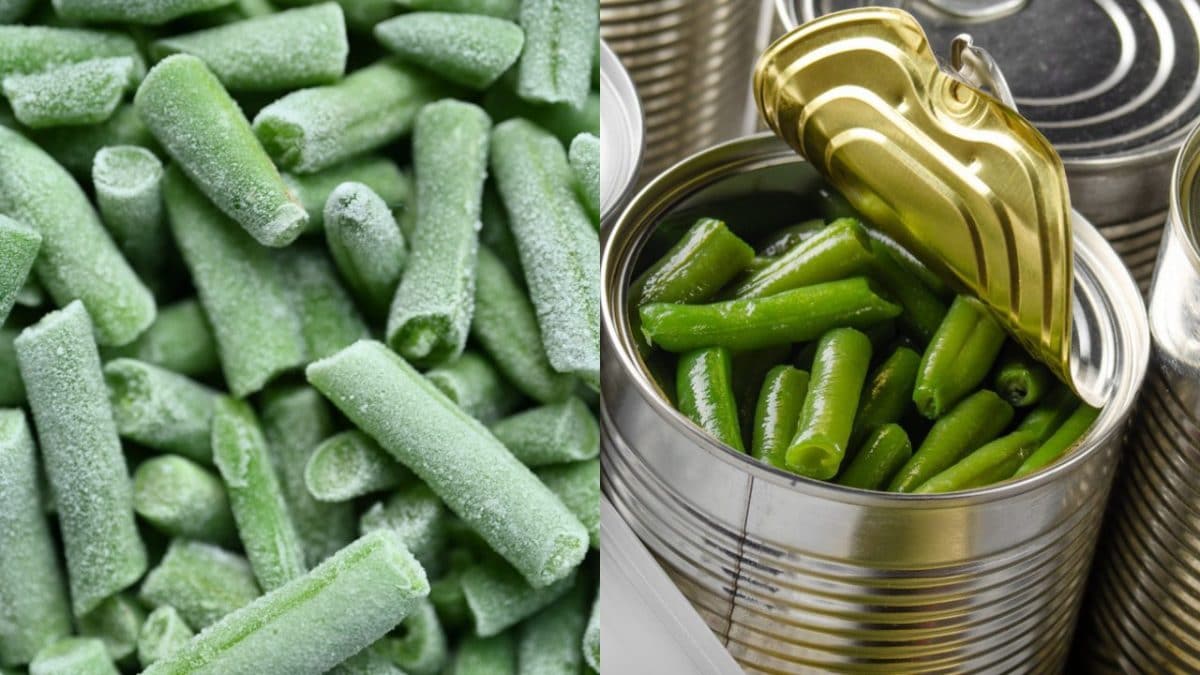
We've heard it since we were children: vegetables should be a part of our daily diet. They are essential foods that provide macro and micronutrients essential for our body's functioning, with the advantage of being very versatile ingredients in the kitchen. The solution to fully enjoy their beneficial properties and their use raw or cooked in versatile dishes is to focus on fresh, seasonal vegetables. Finding them freshly picked or in good condition, however, isn't always easy, and the quality at the supermarket can often be unsatisfactory. There's no shortage of alternatives, and the most common are two: frozen vegetables and canned ones. Which should you choose? Both are practical and available, but it's important to pay attention to a few details to make the best purchase.
Frozen Vegetables
Frozen vegetables are probably the primary option, as they are fresh foods brought to sub-zero temperatures that maintain their cellular structure virtually unchanged, minimizing the loss of beneficial substances and flavor. Freezing, in fact, is an industrial process different from home freezing, which involves the immediate selection and cleaning of vegetables as soon as they are picked from the field; this is followed by blanching (whitening in water which blocks the enzymatic activity responsible for progressive deterioration), an initial cooling and, if necessary, a second selection. The vegetables are then rapidly cooled to at least -0.4°F/-18°C, preserving much of their original value, including consistency and color, and then packaged. Depending on the type and intended use, they may also undergo cutting and processing (such as artichoke hearts or asparagus tips). The variety is very wide and, when used, the starting point is a product similar to that grown in the garden, obtaining (almost) the same results: the flavor may be less intense and bland. Check the label and that the packages are not damaged, and that there is no frost, a likely sign of thawing and refreezing during storage or transport.

Canned Vegetables
Canned, tinned, or glass jarred vegetables undergo a completely different treatment than the previous ones, as they are first washed, cut, and then partially steamed or boiled at temperatures no higher than 250°F/120°C. For prolonged preservation, they are immersed in a liquid solution that may contain water, salt, vinegar, and sometimes even sugar or other food additives, and finally canned. This explains why the process involves greater alterations. From a nutritional point of view, those components sensitive to heat, such as vitamin C and folates, are lost more significantly, while the texture may be softer and the flavor influenced by the ingredients in the preservative mixture: this is why it is best to rely on "natural" versions or those with less salt, the amount of which can be found on the label.

Fresh, Frozen or Canned: Which Should You Choose?
The best choice remains fresh vegetables, especially when they're in season and organically grown, because they retain all the characteristics of a healthy food to eat every day. Don't demonize the frozen version: there's now more awareness than in the past about the quality and safety of this type of product, which proves to be excellent allies in preventing waste and for those who want to cook vegetables in a variety of ways. Consider canned vegetables, however, as a third option: they come to your aid in times of need, when you're short on time, since in most cases they're ready to eat or reheat, to be used as a condiment for main dishes, salads, and quick side dishes, or toppings for pizzas, pinsa, and focaccia.
;Resize,width=767;)
