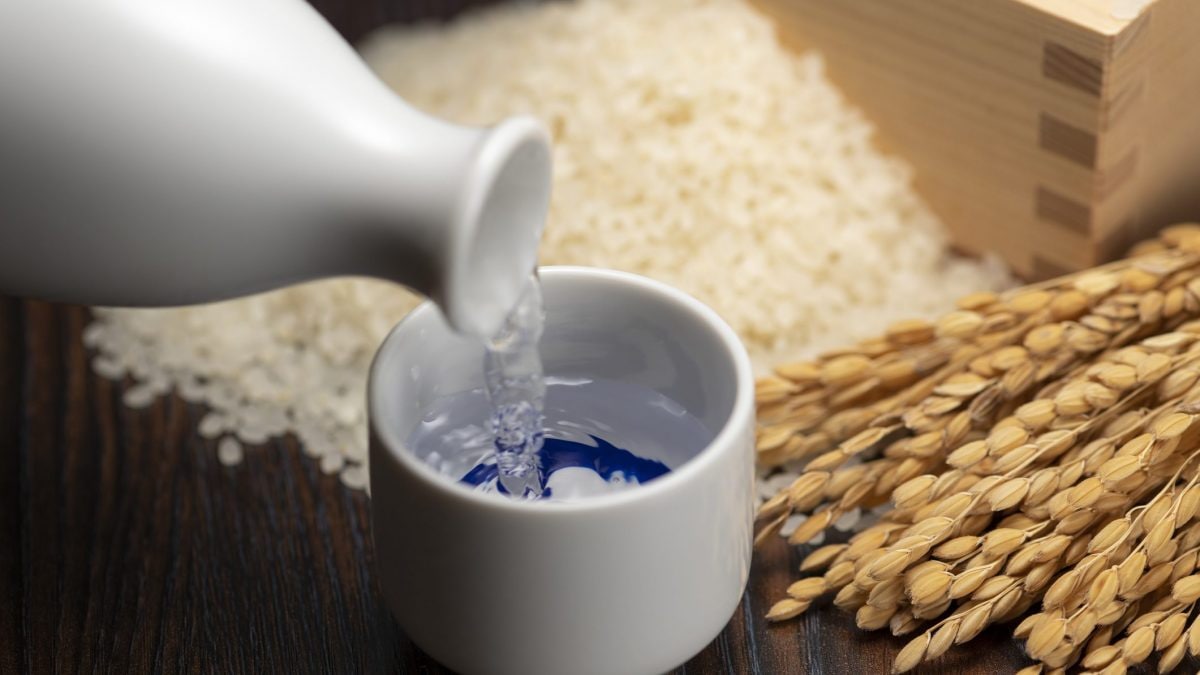
You just bought a beautiful, premium bottle of Japanese sake. You bring it home, walk into your kitchen, and suddenly face a dilemma: Does this go on the wine rack, in the liquor cabinet, or straight into the refrigerator?
Because sake is commonly referred to as "rice wine," most people instinctively treat it exactly like grape wine. They lay the bottle on its side in a room-temperature rack and forget about it until a dinner party.
However, chemically speaking, sake is brewed more like a beer—and its delicate, complex amino acids are highly sensitive to light, heat, and oxygen. Storing it the wrong way can quickly turn a fragrant, floral masterpiece into a flat, musty disappointment. So, does sake belong in the fridge? The short answer is yes, but it depends on the type.
The Pre-Opened Refrigerator Rules
Before you pop the cap, your storage strategy should be dictated by the specific style of sake you purchased.
1. Nama Sake
If the bottle says Nama (or Namazake), it must go into the fridge immediately. Nama means the sake is completely unpasteurized. Because it still contains active enzymes and yeast, leaving it at room temperature will cause it to continue fermenting, rapidly ruining the flavor profile and potentially pushing the bottle to spoil.
2. Ginjo and Daiginjo
These are the highly polished, premium sakes known for their delicate, fruity, and floral aromas (think melon, apple, and pear). While they are pasteurized, heat destroys these fragile aromatic compounds. To preserve their bright, crisp profiles, it is highly recommended to store them in the refrigerator, even before opening.
3. Junmai and Honjozo
Standard Junmai and Honjozo sakes have a more robust, earthy, and savory profile (rich in umami). These bottles are much more resilient and can safely be stored in a cool, dark pantry or wine cellar (ideally around 55°F to 60°F). However, if your home runs hot during the summer, the fridge is always the safer fallback.
How Long Does Sake Last Once It's Been Opened?
The rules change entirely the moment you open the bottle. Unlike a bottle of whiskey that can sit on your bar cart for a decade, all open sake must be stored in the refrigerator. While sake does not oxidize and turn into vinegar nearly as fast as wine, ambient air will still slowly flatten its dynamic flavors.
- For premium Ginjo/Daiginjo: Consume within 3 to 5 days for the absolute best taste.
- For standard Junmai: You have a slightly longer window, usually 1 to 2 weeks, before the flavor noticeably degrades.
Chef's Tip: If you can't finish a bottle in time, do not pour it down the drain! Leftover, slightly oxidized sake makes an incredibly rich, umami-packed cooking liquid for stir-fries, marinades, or steaming shellfish.
The 2 Golden Rules of Sake Storage
Whether your bottle ends up in the fridge or the pantry, always follow these two non-negotiable rules of sake preservation:
- Always Store It Upright: Unlike wine, which is stored on its side to keep the cork wet, sake should always stand straight up. The alcohol in sake can degrade the metal or plastic cap if left in constant contact, giving your beverage a metallic, off-putting taste.
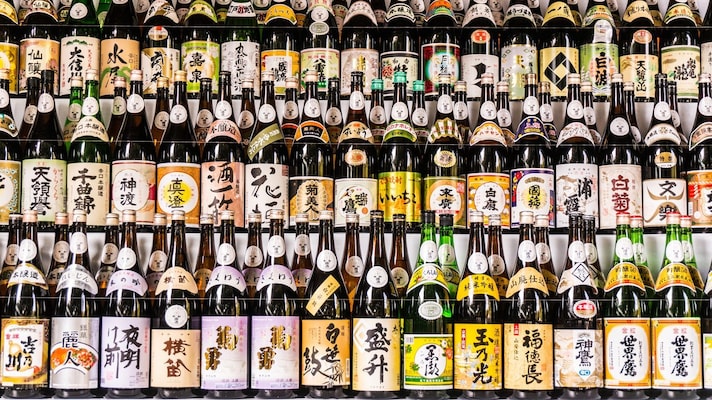
- Beware the UV Assassin: Sake’s absolute worst enemy is ultraviolet light. UV rays will break down the amino acids in the liquid and cause an offensive flaw known in Japanese as nikko-shu (sunlight smell). This is why most premium sake comes in dark brown or green glass. Always keep your bottles in total darkness.
;Resize,width=767;)
