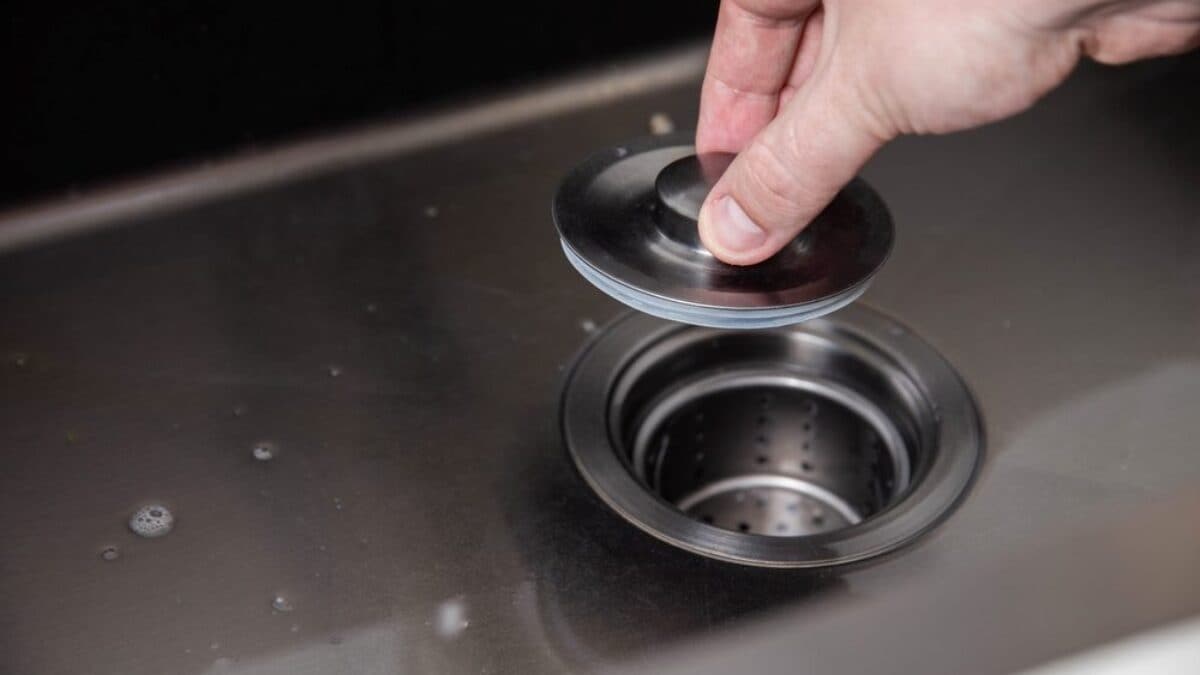
Going on vacation isn't just about packing your bags to make sure you don't forget anything. It also means leaving your home in the best possible condition, so that it's safe in your absence and will be in perfect condition upon your return. This means making sure you unplug any appliances that consume the most energy or that might be dangerous to leave plugged in, taking out the trash, and sorting out the refrigerator. No one thinks about kitchen drains, but it's essential to check them and make sure they're in good condition. You might even consider plugging them, to be even more certain of avoiding unpleasant surprises. But is this really useful? It can be, but only on certain occasions: sometimes it's better to avoid it and give the drain a thorough cleaning. Here's when it's useful to plug kitchen drains and when it's not necessary.
Is It Helpful or Harmful to Plug the Kitchen Drains Before Leaving?
Contrary to popular belief, plugging kitchen drains before leaving home isn't an essential precaution and, in most cases, offers no significant benefits. Domestic plumbing systems are equipped with a siphon, a bend in the pipe that always retains a small amount of water and creates a natural barrier against the rising odors and gases from the sewer system. If the siphon is in good condition and contains water, covering the drain with a plug provides minimal protection.
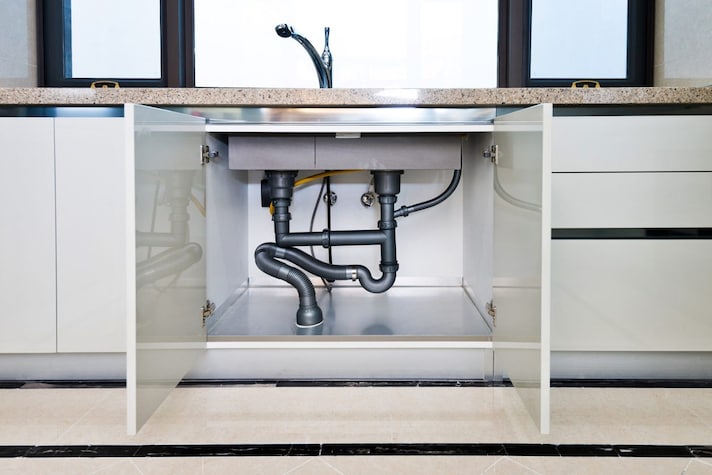
So where does this belief come from? In some cases, plugging the drains can be helpful, for example if you're going to be away for a long time: if the sink isn't used for a long time, the water in the siphon can evaporate. The plug can help slow this process, as well as limiting the potential entry of small insects through the drains. However, it's not a miracle solution, and its impact is minimal. Rather than plugging the drains, it's advisable to clean them thoroughly and run water before leaving, to ensure the siphon is full and can perform its function properly. In any case, if you want to try this trick, you can do so: it's not harmful to the kitchen; at worst, it's useless.
When It's Useful to Block Drains to Avoid Bad Smells and Insects
Clogging kitchen drains can be a useful precaution in certain circumstances, especially when you plan to leave the home empty for several weeks or even months. In these situations, the water in the trap can gradually evaporate, especially during the summer months or in very hot, poorly ventilated homes. If the water level drops to the point of disappearing, the so-called "hydraulic seal" is broken, and gases in the pipes can rise into the home, causing the typical sewer smell.
Covering the drain with a stopper doesn't replace the siphon's role and doesn't prevent odors from escaping once the drain is completely empty. However, it can help slow water evaporation and limit the spread of odors into the environment, especially if the stopper fits snugly over the drain hole. Another aspect to consider is insects. Some species, such as drain flies (also known as sewer midges), lay their eggs in organic debris that accumulates inside pipes and can appear especially when the kitchen is unused for long periods. While the stopper doesn't eliminate the root problem, it can provide a physical barrier that makes it more difficult for insects to emerge from the sink and spread throughout the kitchen. It's important to remember, however, that the most effective prevention is always to thoroughly clean the drain before leaving, removing food residue and grease that provide their ideal habitat.
In other words, the stopper can offer a little extra help, but its effectiveness depends primarily on the good condition of the siphon and proper drain maintenance. The same goes for the "glass trick," a home remedy that's been circulating online for some time: according to this tip, a glass of water in the sink helps keep pipes clean and prevent bad odors during your absence because it maintains constant pressure in the sink and prevents gases from rising from the drains, eliminating bad odors that could otherwise spread throughout the room. The system has no scientific basis, but it's also fairly harmless: you can try and discover a miracle cure, but even if it doesn't work, it certainly won't cause any harm.
When You Should Avoid Plugging The Drains
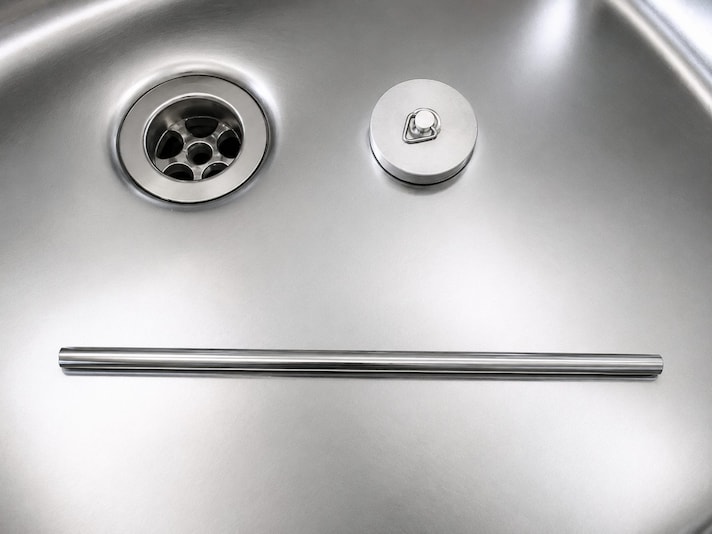
Clogging the kitchen drain is generally harmless, but in some specific situations it's inadvisable. The main one is the possibility of drips or small leaks from the faucets during your absence. If the plug completely blocks the drain hole and the faucet leaks even a few drops continuously, the water won't be able to flow into the siphon and will end up accumulating in the sink. Over the course of several days or weeks, this slow drip could gradually fill the basin until it causes a water overflow, risking flooding the kitchen and causing damage to furniture, floors, or the apartments below. For this reason, if the faucet isn't working perfectly or if you have even the slightest suspicion of leaks, it's best to leave the drain unblocked so the water can drain normally.
Even if there are no leaks, it's best to avoid plugging the sink if the drain hasn't been thoroughly cleaned: food residue, grease, or organic matter trapped under the plug can promote stagnation and unpleasant odors rather than prevent them. In general, therefore, you should consider plugging the sink as an optional additional measure, to be adopted only after ensuring that the system is in good condition, the faucet is not dripping, and the drain is perfectly clean.
What is Really Useful to Do To The Drains Before Leaving for Vacation?
Preventive maintenance is the best way to ensure your drains don't play nasty tricks on you while you're on vacation. Rather than focusing on the plug, you should perform a thorough drain check before your departure. The first step is to thoroughly clean the sink and drain hole, removing food residue, grease, and other organic deposits that, during a period of inactivity, could decompose and contribute to unpleasant odors or attract small insects like fruit flies. It's also important to check the faucet for drips, even the slightest: as we've seen, a seemingly insignificant leak can become a problem if the sink is plugged and the water can't drain.
Another useful check concerns the siphon, which should be intact, free of leaks, and able to retain water properly, since it is this component that prevents gases from rising from the sewer system. Run water generously for a few seconds to completely fill the siphon and restore its "hydraulic seal," especially if the sink has been used sparingly in the previous few days. For normal absences, from a few days to two or three weeks, these simple steps are generally more than sufficient to avoid inconveniences.
;Resize,width=767;)
