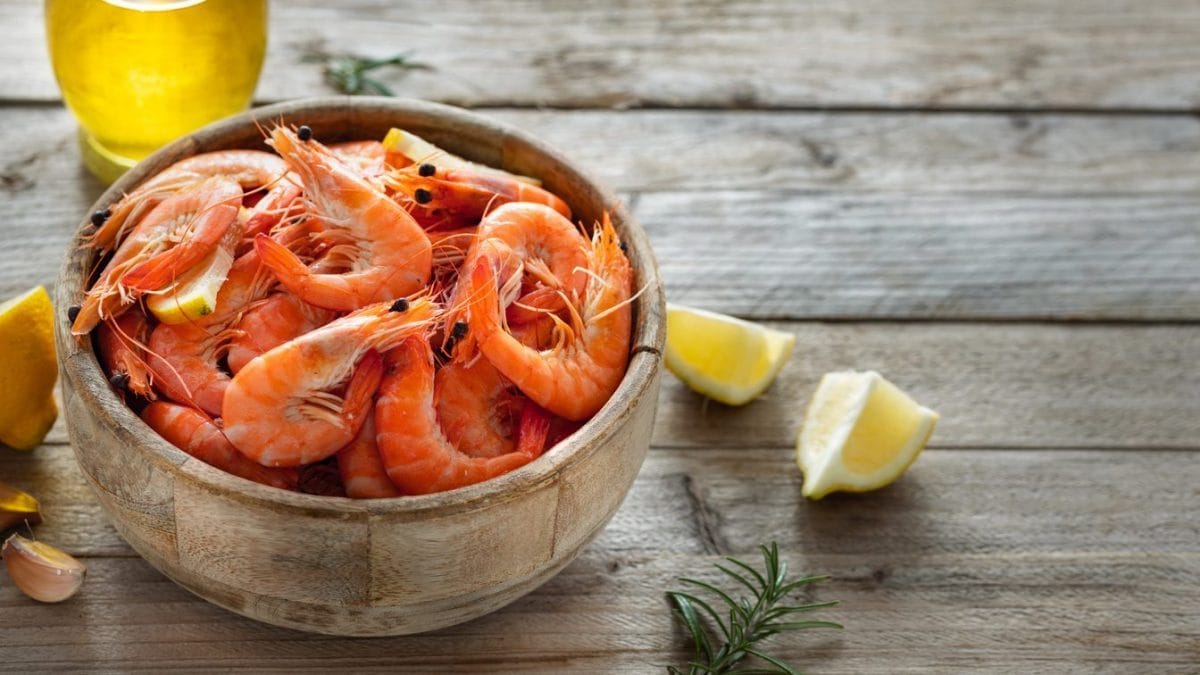
The term "shrimp" refers to a whole range of freshwater and saltwater crustaceans belonging to the order Decapods. But one thing is certain: whether they are shrimp or prawns, whether river or sea, shrimp are delicious and even good for you. These precious crustaceans, not to be confused with scampi and prawns, are rich in minerals and low in calories, which is why they are considered particularly beneficial for the body. Characterized by a sweetish flavor and very tender flesh, shrimp are also very versatile in the kitchen and can be used in a wide variety of recipes. But when would it be best to avoid eating them, how many can you eat, and how can you recognize them when they are fresh? Here are all the answers you need.
Shrimp's Properties and Benefits
Whichever type of shrimp you choose, the properties of these tasty crustaceans remain the same: they are all characterized by a very low calorie content, ranging between 71 and 99 calories per 100 grams depending on the different species, since they are composed primarily of water. Shrimp are also an excellent source of high biological value protein and are particularly rich in minerals, especially sodium, potassium, calcium, phosphorus, magnesium, and zinc.
The nutritional profile is rounded out by a negligible amount of carbohydrates, very few lipids, mostly omega-3 and omega-6 fatty acids, essential for cardiovascular health, and numerous vitamins, particularly vitamin B12 and vitamin A, which is useful for protecting eyesight. Not everyone knows that shrimp also contain astaxanthin, a particular carotenoid with a high antioxidant content assimilated by crustaceans because it is present in the algae they feed on. This very substance is also responsible for the reddish color of shrimp cells and their discoloration when cooked.

What benefits does this rich nutritional profile bring to the body? Thanks to its protein content, shrimp are an excellent source of energy, particularly suitable for athletes but also for those experiencing periods of fatigue and stress. They help protect the heart and arteries, contribute to bone development, and control blood pressure. We've already mentioned their antioxidant effect, but it's worth reiterating: shrimp counteract cellular aging and the action of free radicals, and the carotenoid itself also has a beneficial effect on brain cells.
Since they are free of "bad" fats and carbohydrates, as well as low in calories, they are excellent for avoiding uncontrolled weight gain, especially if you suffer from thyroid problems. They have a positive effect on the metabolism and aid food digestion.

Shrimp's Contraindications and When to Avoid Them
Shrimp isn't a particularly dangerous food, except in cases of intolerance or allergy, but like all shellfish, they contain a high percentage of cholesterol. This means that if you're particularly sensitive to high cholesterol levels or suffer from hypercholesterolemia, you should be careful about how much shrimp you consume, asking your doctor for the best portion size for your situation. There's no need to completely exclude shrimp from your diet, because only 25% of cholesterol comes from food, while the rest is produced by the body itself. Even if you don't suffer from high cholesterol, it's best not to overdo it with shrimp to avoid overindulging in it: the ideal portion is 150g, consumed no more than once or twice a week.

How to Choose Fresh Shrimp
Today, there are excellent frozen shrimp on the market, which, if handled properly and thawed carefully, can replace fresh ones. Remember to choose products with strictly certified origin, thaw them in the refrigerator, and never run them under hot water because they become soft and lose their flavor. The best solution, of course, would be to buy fresh shrimp, but how can you be sure they're truly fresh? It's easier than you think; you just need to learn what aspects to pay attention to.
First of all, they must have a pleasant smell —a bad odor, especially in seafood, is never a good sign—and they must have a bright, vibrant color, a clear indicator of freshness. If you notice a dull or spotted color, or a strong odor of ammonia or chlorine, stay away: it indicates poor freshness and the beginning of spoilage, as these types of substances are often used to mask the smell of decay.

Also remember to check that the head is securely attached to the tail, because when the product is not fresh the two parts tend to separate. Also, note the shrimp's eyes, which if the product is fresh should be large and shiny, and not appear dried out. Once you're sure you've purchased truly fresh shrimp, follow our tips for treating them properly and then you can enjoy them in all their deliciousness.
;Resize,width=767;)
