

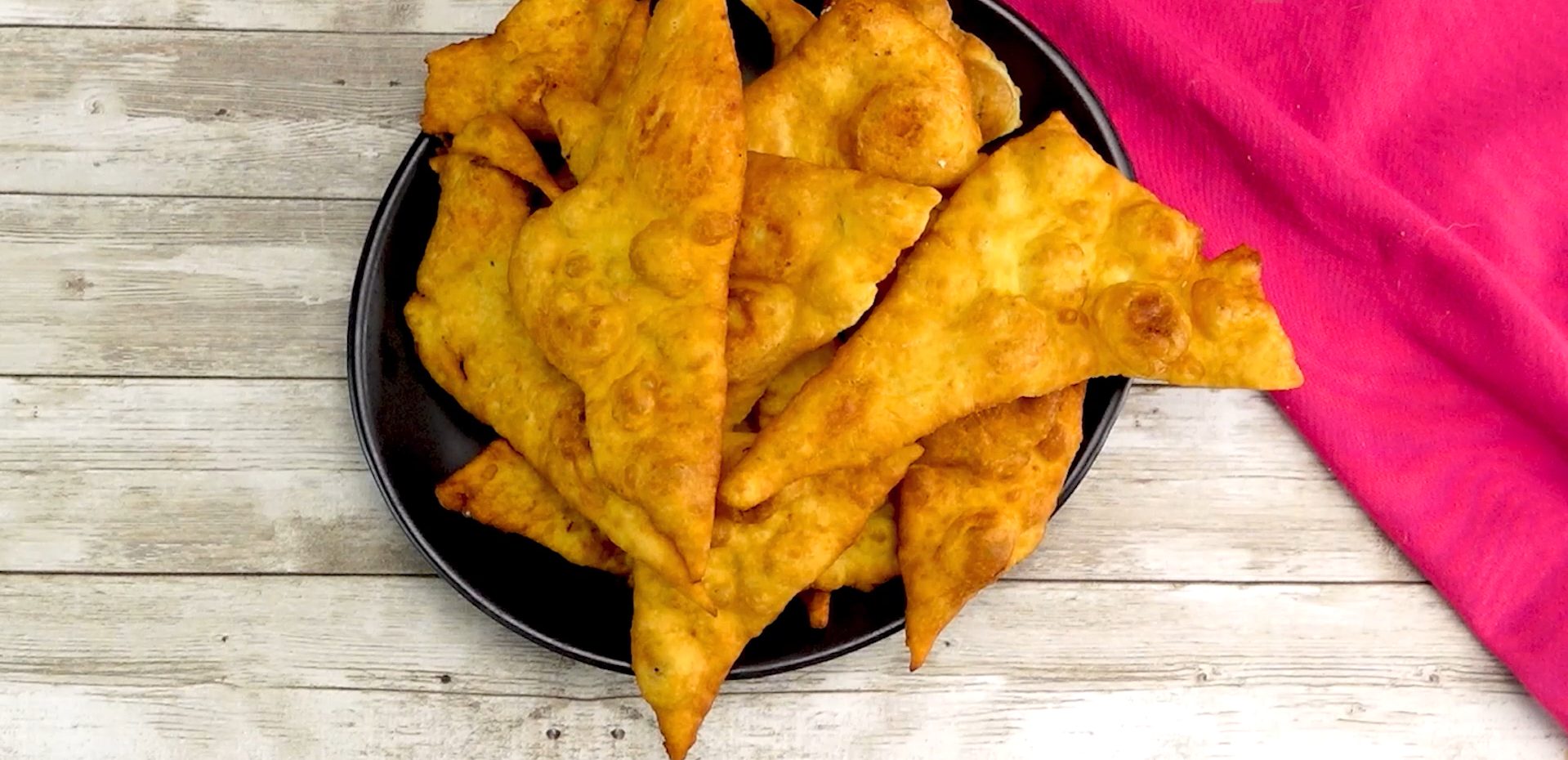
These Spanish fritters are light, crisp-edged, and shaped with a carefree attitude. Made from a simple dough scented with citrus zest and sweet anise, then rolled thin and fried until golden, they land somewhere between a festive treat and a nostalgic bite of tradition. They’re perfect for sharing at gatherings or nibbling during holidays.
What Are Orejas de Carnaval?
Orejas de Carnaval, literally “Carnival ears,” are a traditional Spanish treat closely tied to pre-Lent celebrations, especially in regions like Galicia. Their quirky name comes from their irregular, ear-like shapes, formed by stretching thin pieces of dough before frying. Families often pass down their own variations, tweaking thickness, flavorings, or even the level of crispness, turning a simple recipe into a personal signature.
Pro Tips for the Best Orejas de Carnaval
- The thinner the dough, the lighter and crispier the result. If you can almost see through it, you’re on the right track.
- Letting the dough sit for a short while helps relax the gluten, making it easier to roll and shape.
- Use both lemon and orange zest, but don’t overdo it. You want a gentle lift, not a citrus takeover.
- If the oil isn’t hot enough, the fritters absorb it instead of crisping up. Too hot, and they brown too quickly.
- Don’t aim for perfection when shaping. Pull, twist, and let each piece form naturally.
Frequently Asked Questions
Can I make the dough ahead of time?
Yes, the dough can be prepared a few hours in advance and kept covered at room temperature. If you refrigerate it, allow it to come back to room temperature before rolling. Cold dough tends to resist stretching and can make shaping more difficult.
What does sweet anise add to the recipe?
Sweet anise brings a subtle, aromatic sweetness that sets these fritters apart from standard fried dough. It doesn’t overpower but adds depth. If you’re unsure, you can slightly reduce the amount, but removing it entirely changes the traditional flavor profile.
Can I flavor the sugar topping?
You can mix sugar with a pinch of cinnamon or even a hint of citrus zest for an extra layer of flavor. It’s a simple way to personalize the final touch.
How irregular should the shapes be?
As irregular as you like. The charm of Orejas de Carnaval lies in their uneven, playful forms. Uniformity isn’t the goal, character is.
How to Store Leftovers
They can last on your counter for up to two days. Avoid refrigeration, as it can affect their texture. To revive them slightly, you can warm them briefly in the oven, though they’re best enjoyed fresh. Keep them uncovered for a short time before storing to prevent trapped moisture.
Ingredients
How to Make Orejas de Carnaval
;Resize,width=712;)
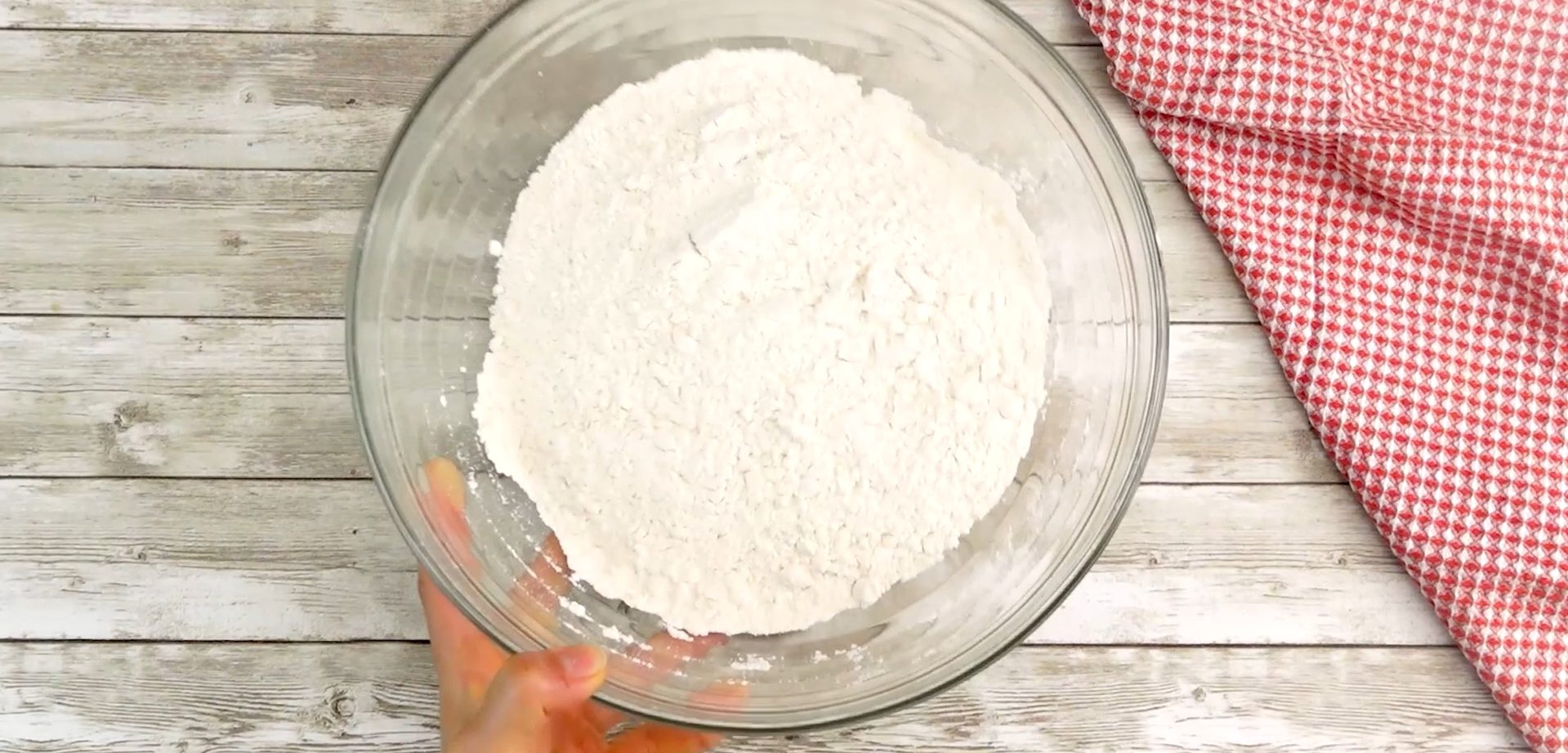
In a large bowl, combine the flour, sugar, baking powder, and salt.
In a large bowl, combine the flour, sugar, baking powder, and salt.
;Resize,width=712;)
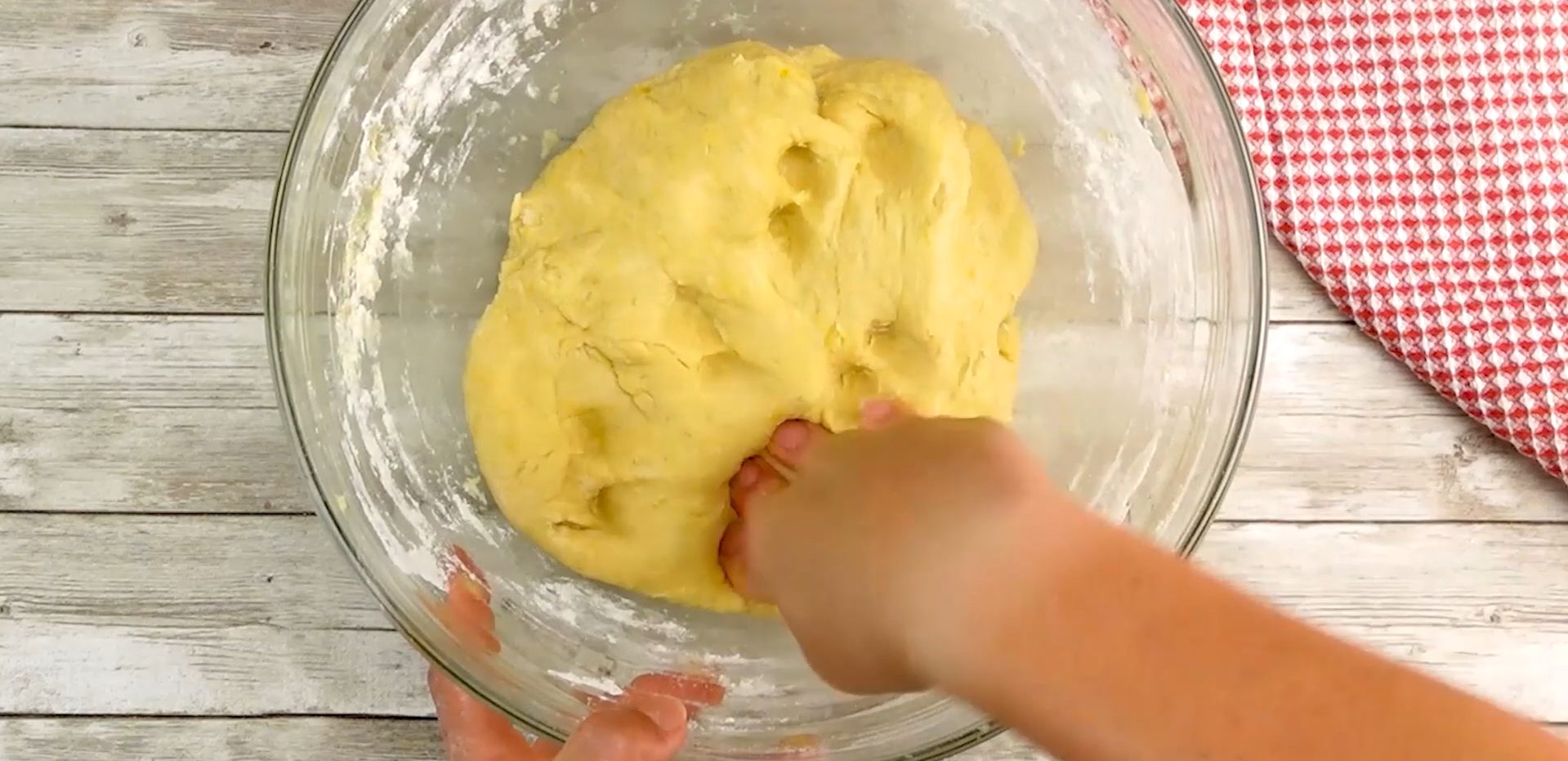
Create a well in the center and add the butter, eggs, water, sweet anise, and both citrus zests. Start mixing from the center outward until everything comes together into a cohesive dough.
Create a well in the center and add the butter, eggs, water, sweet anise, and both citrus zests. Start mixing from the center outward until everything comes together into a cohesive dough.
;Resize,width=712;)
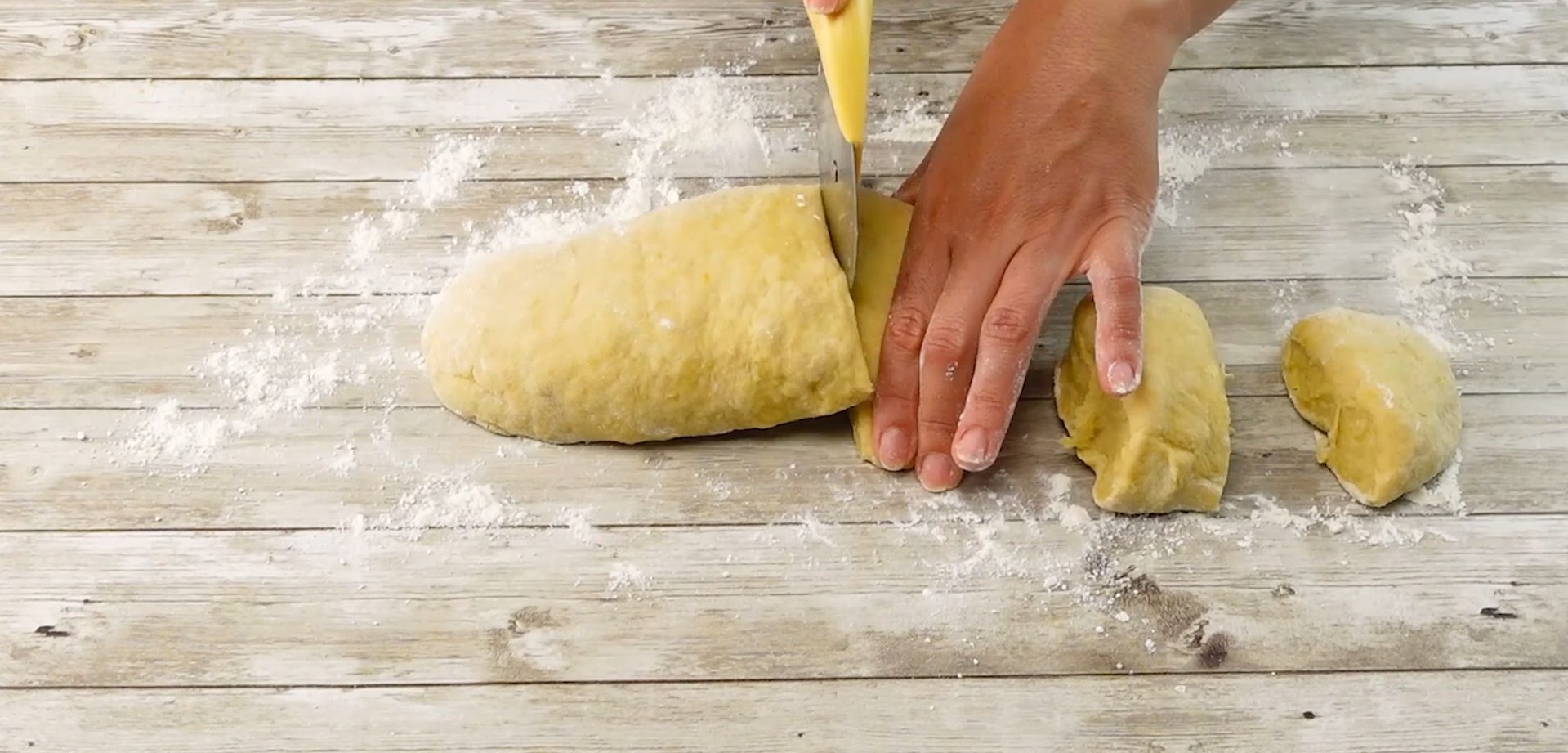
Roll the dough into a log and slice it into small portions.
Roll the dough into a log and slice it into small portions.
;Resize,width=712;)
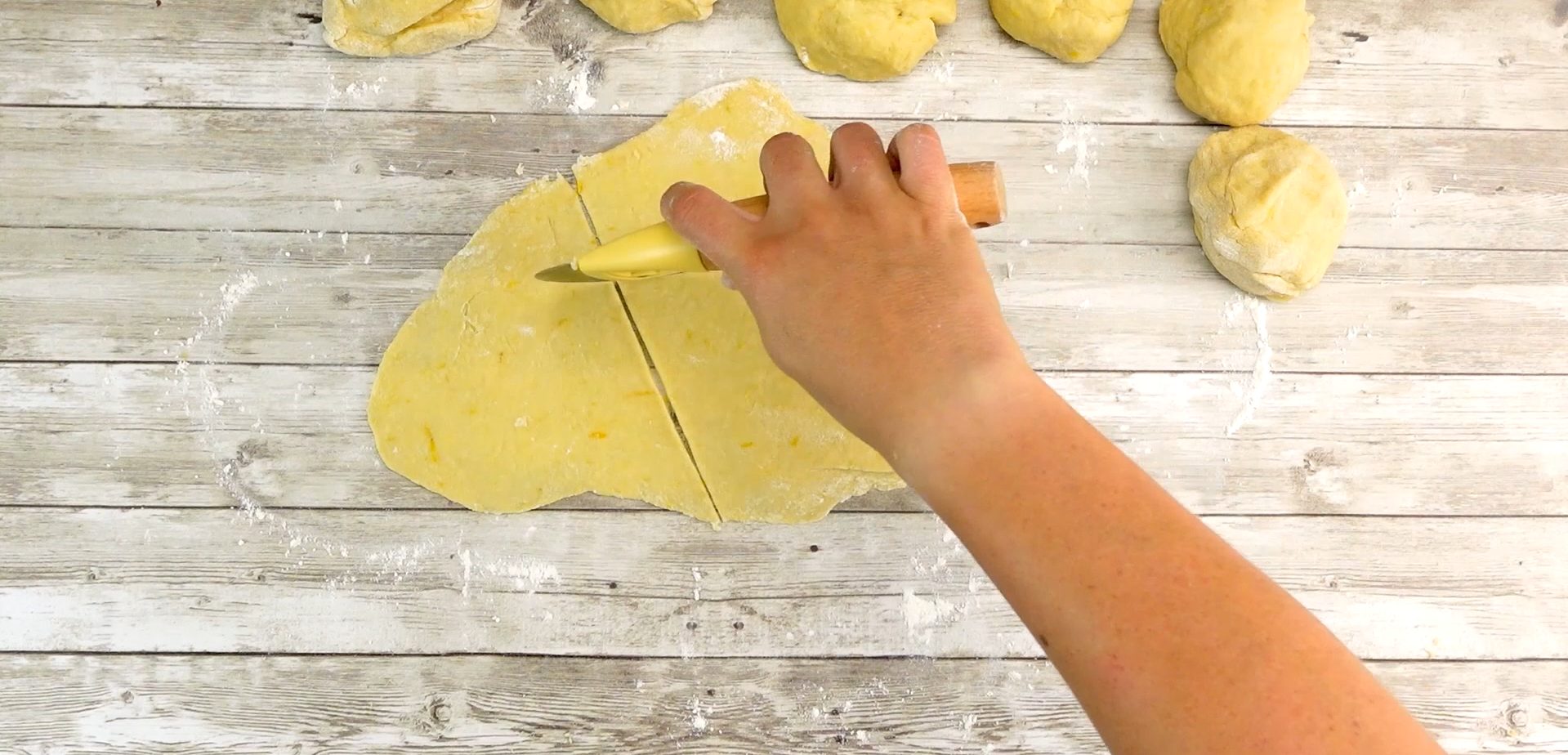
Take each piece and roll it out very thin, then cut it into irregular shapes for that classic look.
Take each piece and roll it out very thin, then cut it into irregular shapes for that classic look.
;Resize,width=712;)
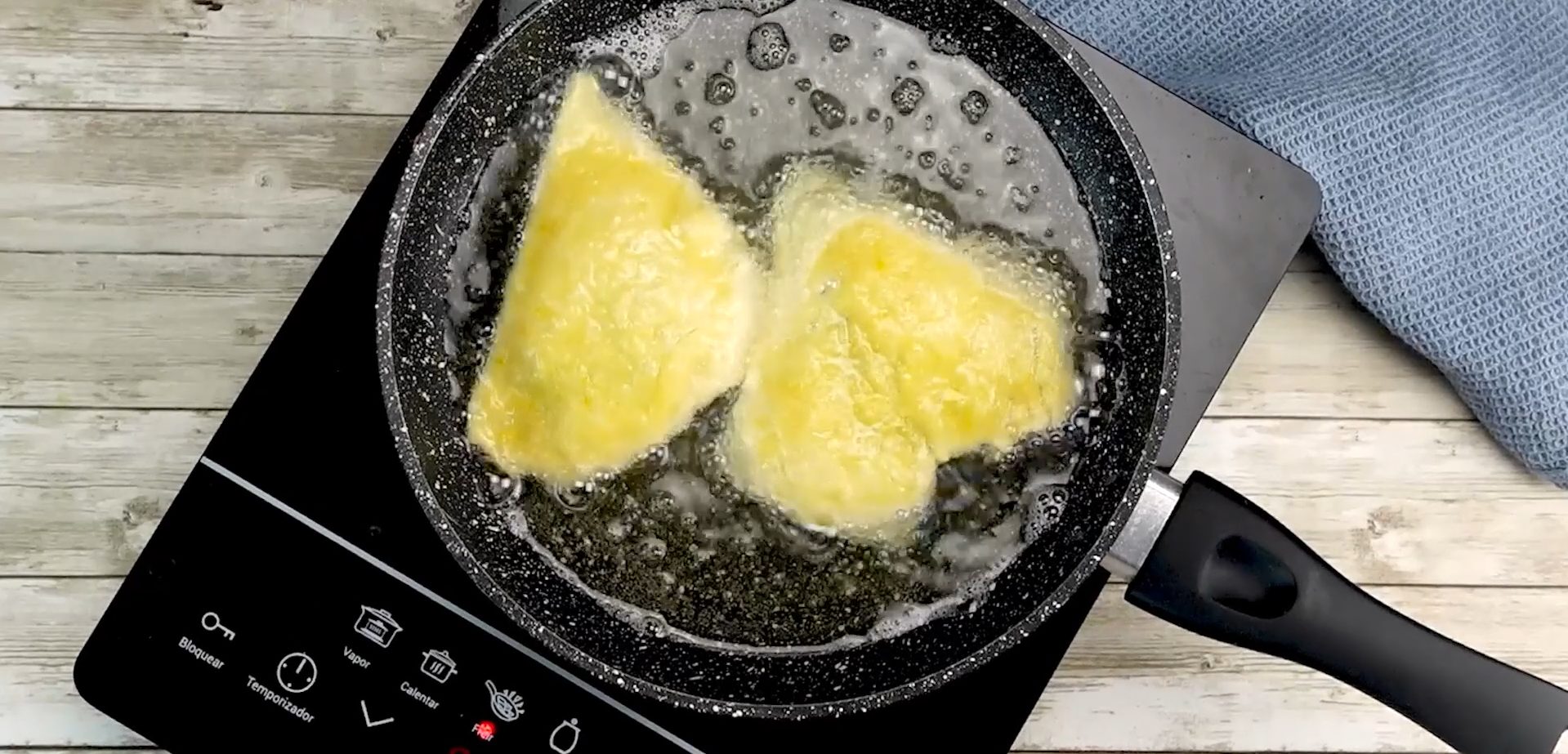
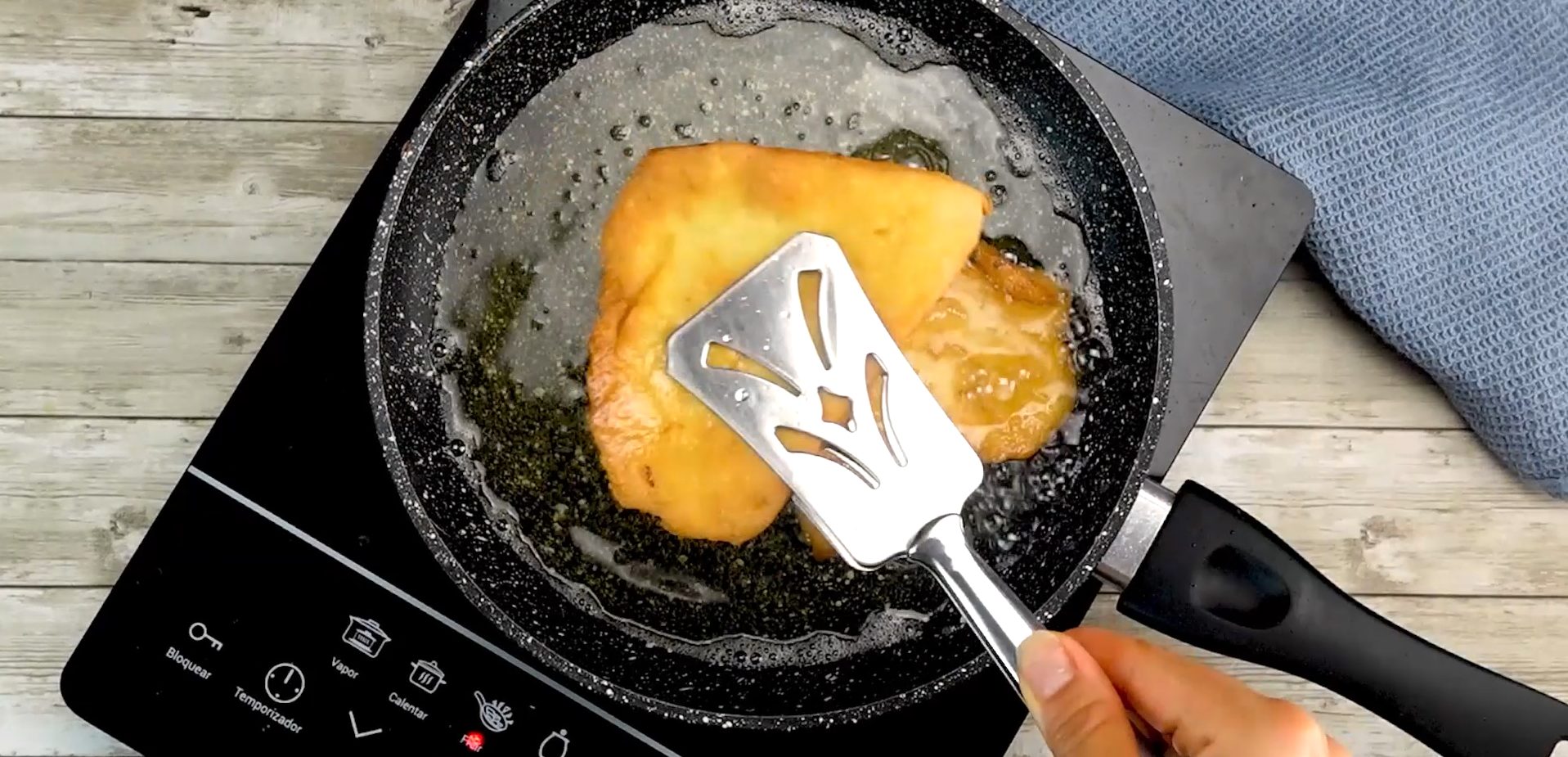
Heat the vegetable oil until very hot and fry each piece. They should puff slightly and develop crisp edges.
Heat the vegetable oil until very hot and fry each piece. They should puff slightly and develop crisp edges.
;Resize,width=712;)
Remove from the oil and serve.
Remove from the oil and serve.
;Resize,width=712;)
Enjoy!
Enjoy!
;Resize,width=767;)

