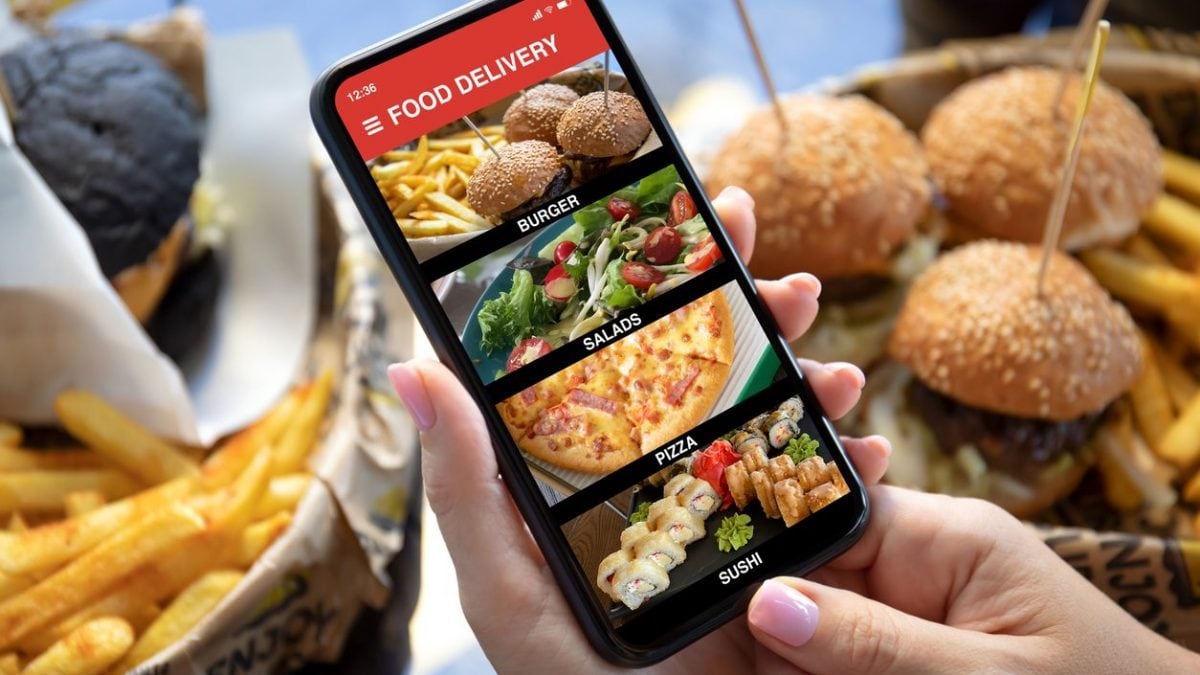
Dinner is changing, and not just for economic or taste reasons. How many times, after a long (and stressful) day at work, have you considered ordering food delivery? Many people claim they don't have the energy to cook after more than ten hours away from home, which is why the best option is to order dinner via apps. The vicissitudes of daily life, professional pressure, and reduced free time are transforming the "ritual" of the evening meal into a quick decision that is far more often geared toward convenience than conviviality.
Work Stress Ruins Your Dinners
A study conducted in the United States and published in Morning Consult provides further insight. The research shows that people prefer takeout for reasons purely related to post-work fatigue. It's not a lack of free time, but rather mental exhaustion. After increasingly intense days at the office, often extending beyond traditional hours or fragmented between in-person and remote working, many people report not having enough energy to plan dinner.
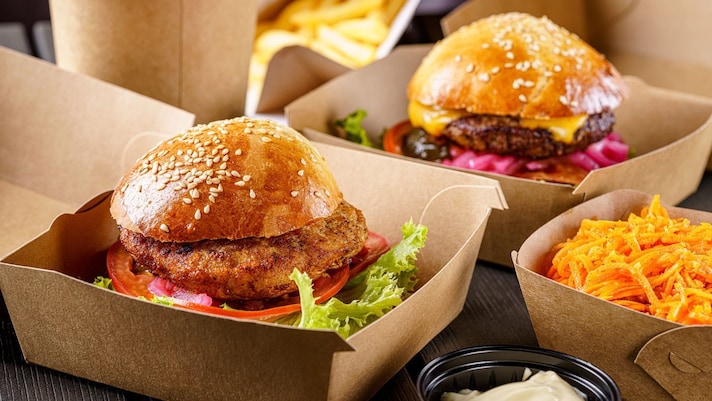
Cooking requires organization: shopping, keeping to schedules, or managing family needs. In a context of chronic stress, these steps become an additional burden of negative energy. Delivery, on the other hand, offers an immediate solution. Ordering via an app reduces the organizational process to a few minutes and outsources the entire preparation process. For some, ordering takeout isn't limited to weekends or special occasions, but is also a frequent choice on "normal" days, precisely when work pressure is highest.
Delivery as a Structural Response to Limited Free Time
The increasing use of home delivery reflects a broader shift in people's lifestyles. Flexible hours, evening meetings, ever-increasing workloads, and a lack of free time. This has made dinner, and especially cooking, completely unappealing. The American study shows how ordering in is often linked to the need to "lighten up" at the end of the day. It's not just about convenience, but also about managing the residual energy that, at a certain time, becomes scarce.
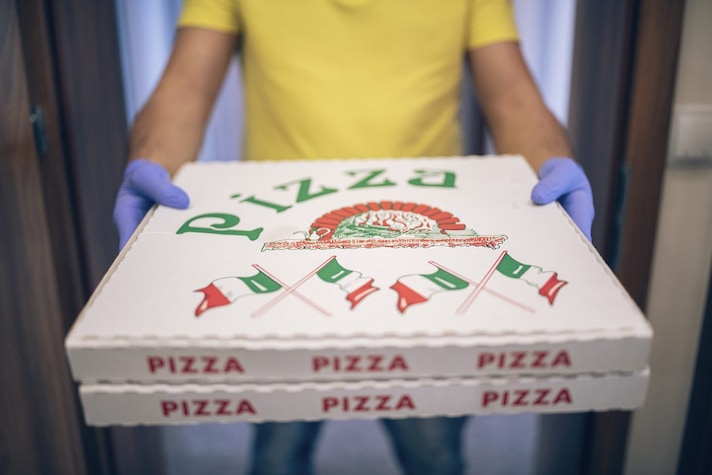
At the same time, the offerings have also adapted. In addition to traditional fast food, the availability of options considered more balanced or healthy is growing, a sign that eating out is no longer perceived as purely indulgent, but as an integral part of daily nutrition. In this scenario, research explains that the transformation of dinner represents a true "social indicator." If more and more people choose not to cook because they're too tired, it means that work doesn't just impact productive hours, but extends to the dinner table.
;Resize,width=767;)
