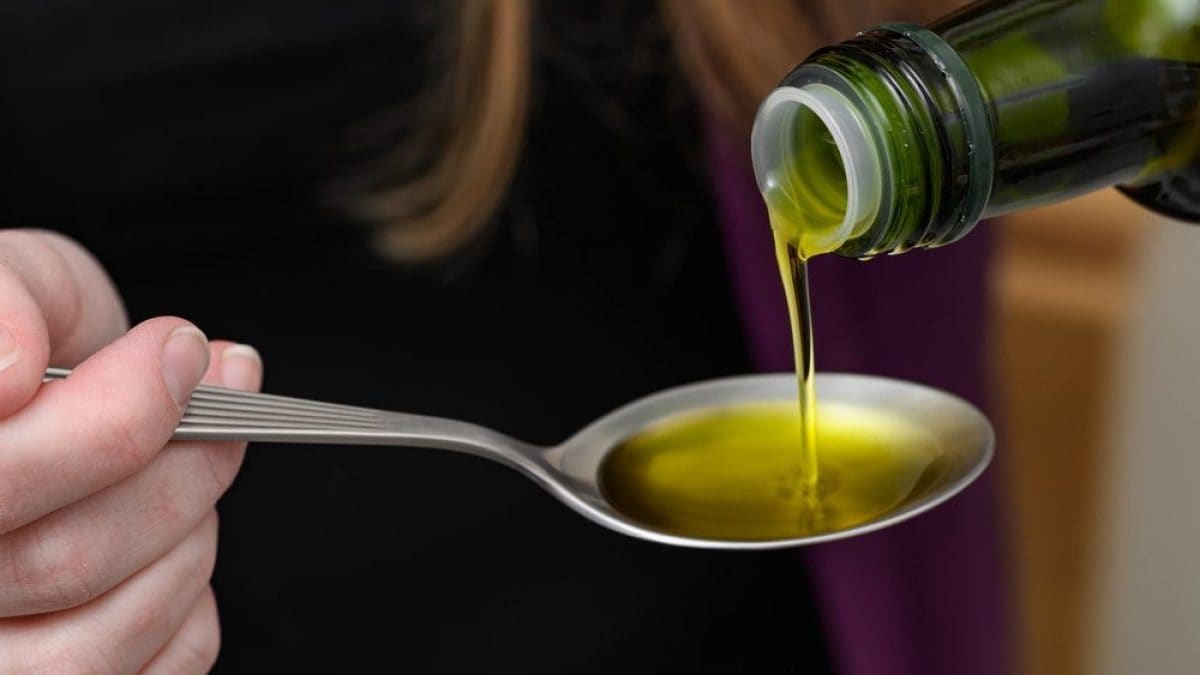
The extra virgin olive oil richest in polyphenols —and therefore most bitter and pungent — is not the one consumers like best. This is the somewhat surprising but very concrete result of a Portuguese study published in 2026 in Current Research in Food Science, which analyzed the sensory preferences of ordinary consumers when tasting different olive oils. For those working in the olive oil world, this is nothing new: what a professional panel considers synonymous with quality is often perceived by the public as "too strong." But the study finally sheds some light on this gap between technical quality and immediate pleasure.
The researchers selected three oils from the Portuguese region of Trás-os-Montes: an extra virgin olive oil with a very high phenolic content obtained from green olives, a more balanced extra virgin olive oil obtained from ripe olives, and a virgin olive oil with a lower concentration of polyphenols. The 81 participants—young and untrained in tasting—tasted the samples blindly, without knowing the category, origin, or health properties of the oils. The result was clear: the oil richest in polyphenols was the least appreciated. The one with an intermediate profile, however, obtained the highest score.
Why Bitter Extra Virgin Olive Oil is Actually Better
The key issue concerns polyphenols, bioactive compounds responsible for much of the antioxidant properties of extra virgin olive oil: these are the compounds that generate the bitter taste and tingling sensation in the throat typical of fresh, high-quality oils. The European Food Safety Authority (EFSA) has recognized the protective role of hydroxytyrosol and derivatives against oxidative stress for years. Yet, on a sensorial level, these attributes can become an obstacle.
The aversion to bitterness is considered partly ancestral and evolutionary. In evolutionary biology, bitter taste is interpreted as a defense mechanism developed by humans to recognize potentially toxic substances present in nature. Many poisonous plant alkaloids, in fact, have a bitter taste.
The average consumer tends to associate a "round" and sweet taste with something more pleasant and immediate; bitterness, especially if intense, requires familiarity, sensory education, and a gastronomic context. This is the same reason why many tannic wines, specialty coffees, or high-calorie chocolates are initially divisive. In the technical jargon of extra virgin olive oil, bitterness and pungency are not defects but positive indicators: they indicate healthy olives, often harvested early, meticulously processed, and a higher presence of phenolic substances.
In recent years, several studies on consumer behavior have shown that olive oil appreciation depends not only on taste, but also on the information accompanying the product: origin, health benefits, production method, and gastronomic culture strongly influence the final perception. In other words, knowing why an oil stings can change the way you taste it.
The Role of Cooking and Gastronomic Education
Perhaps the most interesting point, for those involved in gastronomy, is that an intense oil should rarely be thought of as a "universal" product: an extra virgin olive oil rich in polyphenols, in fact, can be aggressive on delicate preparations, but extraordinary on legumes, soups, bitter vegetables, or grilled meats.
Pairings also matter: some proteins, for example, tend to tone down the perception of bitterness, making the overall taste more balanced. This is one of the reasons why certain very bitter oils work better on burrata, chickpeas, or roasted fish than on light salads or neutral dishes.
The Portuguese study explains that the market and popular taste don't always coincide with the parameters of technical quality. The real challenge, then, is cultural: helping consumers recognize that that tickle in the throat isn't a mistake, but a sensory signature and a guarantee of quality. A bit like the bitterness of a good artisanal liqueur or the intense flavor of an aged cheese.
;Resize,width=767;)
