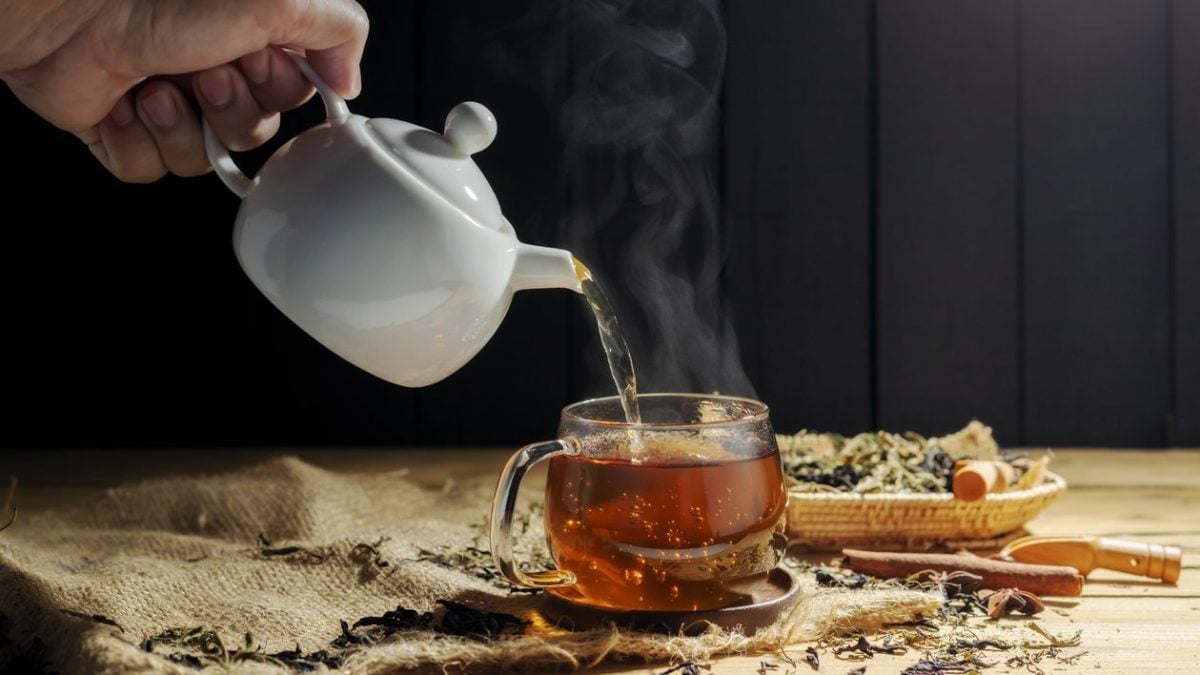
Tea is more than just a beverage; it's a symbol that has transcended the confines of its production area to become an icon, a cultural expression, and often a veritable ritual: from Japanese to English tea ceremonies, tea is truly a fundamental product in global food culture. It's one of the world's most beloved beverages, and even a little familiarity with the product is enough to understand why. Tea is delicious, comes in dozens of different varieties, is accessible to everyone, and, just like coffee, offers the opportunity to take a break, to dedicate time to oneself, but also to share a moment of conviviality with friends and loved ones.
Tea has its roots in Chinese culture and is an infusion made from the leaves of Camellia sinensis, a woody plant now grown not only in China, but also in Bangladesh, Pakistan, India, Indonesia, Sri Lanka, Japan, and Kenya. Besides its undoubtedly excellent flavor, tea is also loved for its numerous health benefits, varying in severity depending on the type. The most well-known, of course, is its stimulating properties, making it a true energizer, just like coffee, but tea also has many other unique and beneficial functions: let's discover together the virtues of the main types of tea, the contraindications to watch out for, and how to prepare the perfect tea, according to the rules.
Properties and Benefits
It's not just a relaxing break: sipping a cup of tea can have positive effects on your health. Tea is a naturally low-calorie beverage (about 1–2 kcal per 100 ml), free of fat and cholesterol, and ideal as part of a balanced diet if consumed without added sugar. It is particularly appreciated for the presence of bioactive compounds such as caffeine (or theine) and polyphenols, including catechins, substances known for their antioxidant and stimulant properties. It also contains small amounts of minerals such as potassium and fluoride, and some B vitamins; green tea also contains traces of vitamin C, although some is sensitive to heat. What benefits does all this translate into for our body? Here's what tea is good for.

1. Antioxidant Effect
All types of tea (green, black, white, oolong) derived from the Camellia sinensis plant contain polyphenols, powerful natural antioxidants. Concentrations vary depending on the processing method: green tea is usually the richest, followed by white tea, while the oxidation processes of black tea transform some polyphenols into theaflavins and thearubigins, which also give the product its dark color. This means that, when consumed in the right quantities, tea helps our body, thanks to the presence of these antioxidants, counteract the action of free radicals, which, left untreated, could over time lead to progressive cellular damage and aging. Some preliminary studies suggest a potential role for polyphenols in modulating cellular processes linked to tumor proliferation, but clinical evidence is still being explored.
2. Stimulating and Energizing Function
Tea's best-known stimulating and energizing properties are its most well-known: it contains a series of substances (alkaloids and caffeine in particular) that stimulate psychomotor activity, making you more active and efficient throughout the day, and increasing your ability to resist sleep and fatigue. The main effect attributed to caffeine is its stimulating effect on human mental faculties and its reduction in fatigue: although tea contains less caffeine than coffee, its presence is sufficient to stimulate the central nervous system, increase alertness, and reduce fatigue. A healthy adult can typically consume up to 400 mg of caffeine per day without experiencing adverse effects such as general toxicity, cardiovascular effects, or mood swings.
3. Beneficial Action on the Gastrointestinal System
Some alkaloids naturally present in tea, together with tannins, can contribute to a mild astringent action and a digestive sensation, especially after meals, helping regulate intestinal function. Specifically, black tea is very useful for aiding digestion, especially after large meals, while green tea is more suitable for counteracting abdominal bloating, improving intestinal transit and alleviating any gastrointestinal inflammation.
4. Helps With Metabolism
Tea is often recommended for weight-loss diets, both for its low calorie content and because it has a moderate effect on fat and sugar metabolism: the substances in tea can, in fact, contribute modestly to blood sugar and lipid profile control. In particular, green tea boosts metabolism thanks to a modest thermogenic effect induced by catechins (EGCG) and caffeine, which can slightly raise body temperature, thus promoting fat oxidation. For this very reason, green tea is widely studied, the subject of scientific attention for its high EGCG content, but remember that it is not a miracle solution: the effect is generally mild and does not replace a balanced lifestyle.

Tea's Contraindications
Despite its many notable benefits, tea can have potential side effects, especially if consumed in excess. The caffeine content, in particular, can lead to symptoms such as tachycardia, nervousness, insomnia, and agitation. It's therefore best to avoid giving tea to children or people who are particularly sensitive to stimulants, and in any case, it's recommended not to drink it later than late afternoon. Tea, both green and black, can impair iron absorption and therefore be counterproductive for those suffering from anemic conditions. It can also interfere with kidney disease, cardiovascular disease, and/or hyperthyroidism (it's best to consult your doctor before consuming it), and it may interact with certain medications. Another well-known problem with tea is that, due to the presence of tannins, excessive consumption can cause nausea, heartburn, and acid reflux. During pregnancy, it shouldn't be avoided entirely, unless specifically advised by your doctor, but it's best to reduce consumption to avoid excessive caffeine intake.

How to Make Perfect Tea
Making tea may seem like the simplest thing in the world: heat the water, add a tea bag or leaves, and you're done. It couldn't be simpler, right? In reality, it's not quite that easy: even though making tea requires very little effort, there are a few details you need to pay attention to if you want to achieve a perfect, delicately flavored drink. To ensure you don't ruin your tea, remember to:
- Don't use just any water. It may seem obvious, but it's not: avoid tap water, which could contain limescale and thus ruin the flavor of the tea, and opt for bottled water.
- Don't let the water boil. Contrary to popular belief, water for tea shouldn't boil; in fact, it should never reach 100°C (212°F): excessively high temperatures can excessively extract tannins and make the tea bitter, especially with green and white teas.
- Don't overdo the quantity of leaves. Remember that steeping more leaves doesn't necessarily mean better tea; on the contrary, using too many tea leaves will result in a beverage with an overly strong flavor that could lean toward bitterness. Furthermore, the leaves won't have enough room to unfold and hydrate, and the infusion may be incorrect. The ideal amount is 2.5 grams of leaves per 200 ml of water.
- Don't exceed the recommended steeping times. How many times have you steeped tea in water and then forgotten about it well past the recommended steeping time? This is a mistake, as prolonged steeping would lead to over-extraction, resulting in a tea that tastes too strong, making it almost undrinkable. So remember to respect the times indicated on the tea packaging and, once the drink is ready, remove the tea bag or leaves, as the extraction would continue even while you drink the tea, ruining its final flavor.
;Resize,width=767;)
