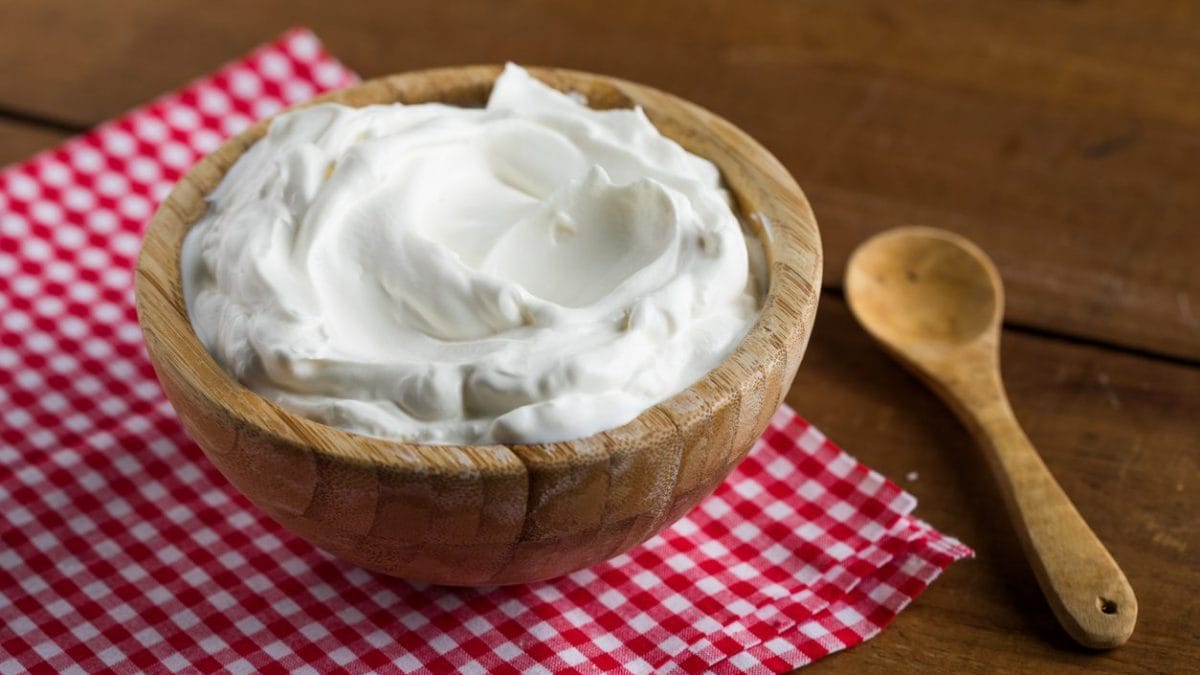
Sour cream is a product widely used in many gastronomic cultures, from France to the United States, via Germany. Called sour cream in Anglo-Saxon countries or crème fraîche in France (they are actually not the same thing, there are differences), it is a creamy dairy product, pure white in color and with a pleasantly tart flavor. Sour cream is made by adding Lactobacillus to unpasteurized cream, so that the bacteria that grow inside give the product a distinctive aftertaste, as well as a full-bodied consistency.
Thanks to its creamy yet dense consistency and fresh, slightly tangy flavor, sour cream is incredibly versatile: it's widely used in savory dishes, especially in Anglo-Saxon countries, as an accompaniment to potato dishes (such as Bavarian jacket potatoes), meat, smoked fish (such as salmon), and grilled vegetables. Its tart flavor, however, also makes it perfect for sweet preparations: it's the perfect ingredient in recipes like American cheesecake and pairs beautifully with fresh fruit, pancakes, or muffins. Nowadays it's quite easy to find sour cream on supermarket shelves, but if you can't find it or don't have it on hand when you need it, you can easily substitute it with other products: here are the most effective substitutes and the correct proportions to use them in.
Sour Cream's Function in Doughs and Desserts
Although it's often used in savory recipes in Northern European, American, and Eastern European cuisines, sour cream has become an increasingly popular ingredient in pastry over the years. What makes it so valuable for sweet recipes? It's not just a matter of taste: the presence of fat in the cream helps make doughs richer, softer, and more velvety, while the water content helps maintain a high level of moisture in the finished product. This results in cakes, muffins, bundt cakes, and plum cakes with a soft, moist texture, which tend to keep longer without drying out. Sour cream also affects the structure of the dough, partially limiting the excessive formation of gluten in preparations made with wheat flour and thus promoting a more tender and delicate interior.

Another key aspect is its natural acidity. The lactic acid present in sour cream reacts with alkaline leavening agents such as baking soda, generating carbon dioxide that contributes to the rise of the dough during baking. This reaction promotes efficient leavening and a particularly light and airy final texture. For this reason, sour cream is often present in American cake, muffin, and quick bread recipes, where it is used precisely to improve volume and softness. From a sensorial standpoint, sour cream also plays an important aromatic role. Its slight acidic note helps balance the sweetness of the sugars and enhance the other flavors present in the recipe, such as vanilla, cocoa, fresh fruit, or spices. The result is a more balanced, complex, and less cloying flavor.
Despite its many qualities, you may find yourself needing to replace sour cream in baking for a variety of reasons. Aside from availability — it's more common today than it used to be, but not all supermarkets carry it—one of the main reasons is its calorie content. Sour cream is quite high in calories: it contains approximately 193 kcal and 20 grams of fat per 100 grams of product . While it's true that the amount needed for a recipe is often much less than 100 grams, you may still prefer a lower-calorie option, especially if you're on a low-calorie diet or have health issues, such as cholesterol. Substituting sour cream is possible, especially in sweet recipes, but it's best to choose an ingredient that provides the same benefits to the dough: moisture, creaminess, and an acidic component that affects both leavening and the final flavor. Here are the best sour cream substitutes for sweet recipes.
1. Greek Yogurt

Greek yogurt is considered the perfect substitute for sour cream: it's the closest to it in terms of its thick, creamy consistency and slightly tart flavor. Its strength is that it contains less fat than sour cream, yet still manages to keep doughs soft and moist. It's perfect for desserts, especially recipes like cakes, muffins, loaf cakes, cheesecakes, and baked goods in general. The substitution can be made in a 1:1 ratio, so if a recipe calls for 100 grams of sour cream, you can replace it with 100 grams of Greek yogurt.
2. Natural Plain Yogurt

Plain yogurt is also a good alternative, especially because it's readily available. Compared to sour cream or Greek yogurt, it's generally thinner, but it retains the characteristic acidity that promotes the leavening of doughs containing baking soda. This makes it the ideal substitute for recipes like bundt cakes, soft cakes, pancakes, and any dessert that needs to rise but remain soft. In this case, too, you can substitute the sour cream in the same amount called for in the recipe, i.e., with a 1:1 ratio.
3. Kefir

Kefir is a fermented milk drink characterized by a fresh and slightly tart flavor. Thanks to the presence of lactic acid bacteria and its natural acidity, it can easily perform a similar function to sour cream in dough. Being more liquid, it is particularly suitable for preparations such as pancakes, waffles, muffins, and soft cakes. To replace 100 grams of sour cream, you can use about 100 grams of kefir, slightly reducing the other liquids present to avoid the mixture becoming too runny.
4. Buttermilk

Widely used in American baking, buttermilk is an ingredient known for its ability to make doughs particularly soft: its acidity reacts with baking soda, promoting optimal leavening. Because it has a much more fluid consistency than sour cream, it's especially recommended in recipes where the liquid component is significant. It can replace sour cream in a 1:1 ratio, but even in this case, it may be helpful to slightly reduce the other liquids to maintain the right balance in the dough.
5. Cream Cheese

Cream cheese offers a rich, creamy texture very similar to sour cream, although it has a less tart flavor. Therefore, if you want a flavor similar to the original, you can mix it with a few drops of lemon juice. This substitution can be made in a 1:1 ratio and is particularly suitable for cheesecakes, glazes, frostings, and creamy desserts.
6. Ricotta

Ricotta is an interesting alternative to sour cream, but it requires a few adjustments. Since it's thicker and less acidic, it needs to be sifted to make it creamy and should be "acidified" by adding a little lemon juice to replicate the typical sour cream flavor. The advantages, however, are that ricotta helps retain moisture in dough and provides a soft texture. It's widely used for soft pies and baked desserts, in the same amount as the original ingredient.
7. Cottage Cheese

Need a low-fat, high-protein sour cream substitute? Cottage cheese is what you need: it's much lower in calories and a great choice if you're looking for a light sour cream substitute. Substitute cottage cheese for sour cream in a 1:1 ratio (100 grams of cottage cheese for 100 grams of sour cream). To achieve the same consistency and acidity, blend the cottage cheese and add a few drops of lemon juice.
8. Mascarpone

Mascarpone can be used in place of sour cream when you want a particularly rich and velvety texture, but remember that it contains a higher fat content and is therefore not a light alternative. The substitution is generally done in a 1:1 ratio and is perfect for cheesecakes, custards, and very soft desserts.
9. Fresh Cream With Lemon Juice

You can make a sort of homemade version of sour cream using fresh cream, yogurt, and an acidic ingredient like lemon juice or white vinegar. While the result isn't identical to real fermented sour cream, this solution replicates the texture and acidity in sweet preparations quite well.
10. Plant-Based Alternatives

For those following a vegan diet or who are dairy intolerant, there are several plant-based options. Unsweetened soy yogurts are among the most effective alternatives thanks to their consistency and slight acidity. Plant-based creams made from soy or cashews can also be used, preferably with a few drops of lemon juice to recreate the characteristic flavor of sour cream. In most cases, the substitution can be made in a 1:1 ratio.
;Resize,width=767;)
