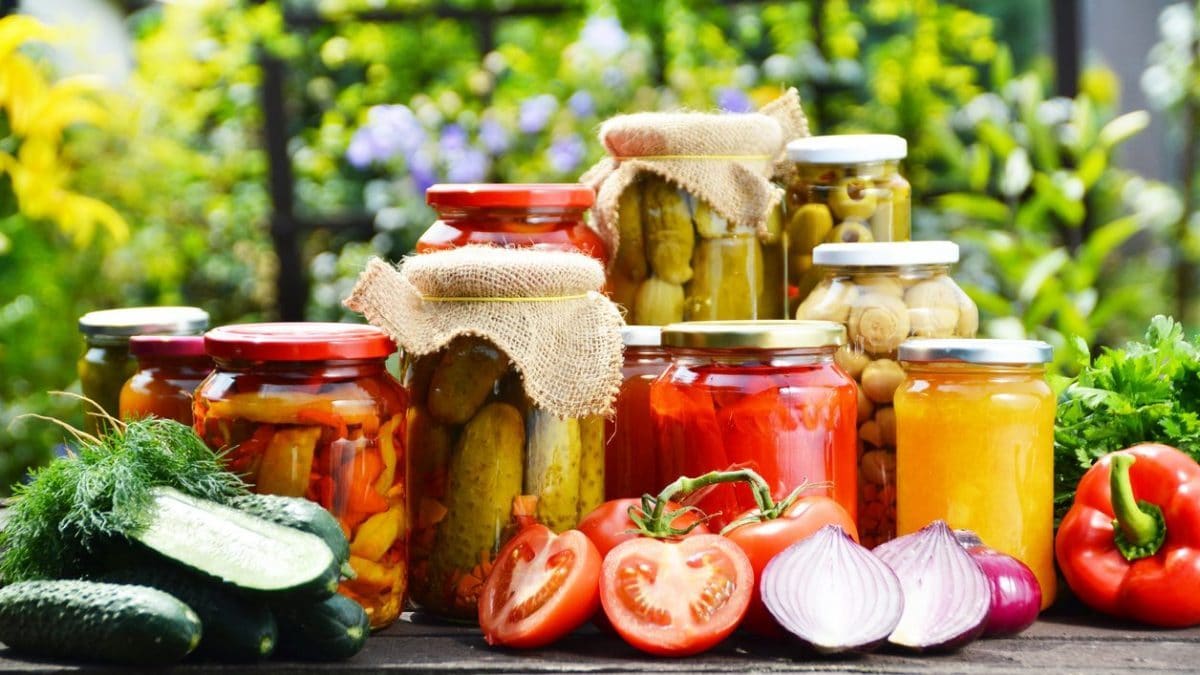
Canning vegetables is one of the oldest and most popular ways to preserve the flavors of the garden and enjoy them year-round. Whether you choose to preserve them in oil or vinegar, however, not all vegetables offer the same results: some retain their texture and flavor even after weeks of storage, while others tend to become mushy or lose much of their original flavor.
The success of a good preserve depends largely—but not only—on the choice of raw materials. The best vegetables are generally those with firm, compact, and slightly watery flesh, characteristics that allow them to maintain a pleasant consistency even after preservation. Others, however, may require specific treatments to prevent them from deteriorating or losing their structure. Here are the vegetables that are best suited to preparations in oil and vinegar.
Why Choosing The Right Vegetables is Important
When making preserves, the goal is not only to preserve the product over time, but also to maintain its consistency, color, and flavor. For this reason, it's important to select vegetables that can withstand marinating, preliminary blanching, and the period of time they rest in jars. Vegetables with too much water tend to soften quickly and can compromise the final quality of the preserve. Conversely, vegetables with firm flesh and a good fibrous structure maintain their consistency more easily and better absorb flavors and seasonings.
Some vegetables have become classics precisely because they lend themselves perfectly to this type of preparation. Here are which ones.
1. Eggplants
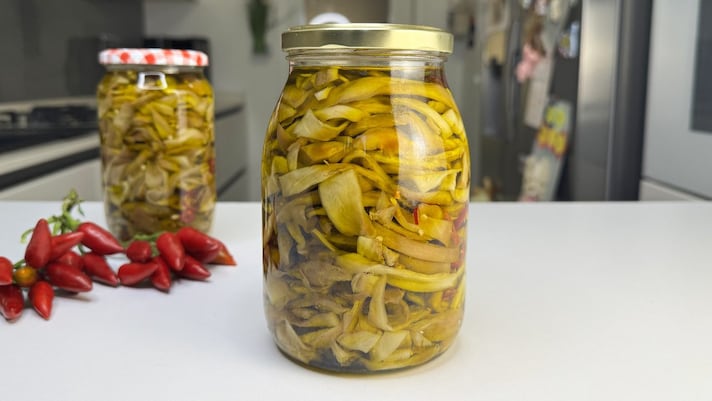
Eggplants are probably the queens of oil-preserved foods: the long, purple varieties are generally the most popular thanks to their firm flesh and low number of seeds. After being cut into strips or sticks and briefly marinated in vinegar, eggplants in oil develop a tender yet firm texture that makes them particularly enjoyable. When preserved in pure vinegar, however, they tend to be less harmonious because their structure quickly absorbs acidity.
2. Peppers
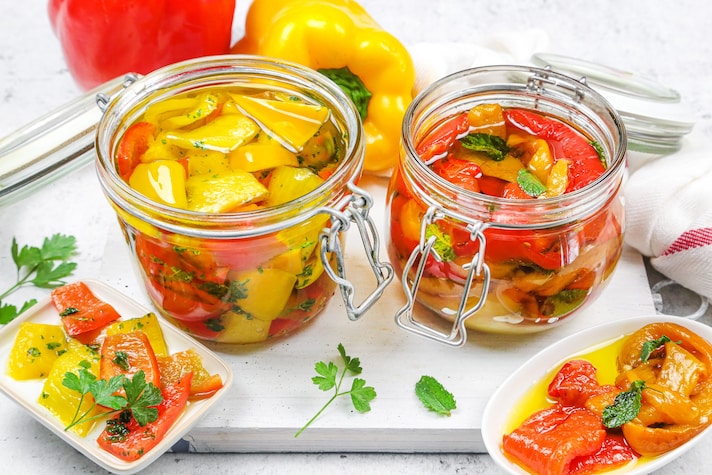
Peppers are suitable for both oil-based and vinegar-based preserves, but they offer different results: in the former, they maintain a softer consistency and enhance their natural sweetness; in the latter, they develop a fresher, more pungent note, making them ideal for appetizers and giardiniera. Thick-fleshed varieties, such as Carmagnola peppers and Asti squares, are particularly suitable for both preparations. Among the most suitable types are also friggitelli (or sweet green peppers), widely used in oil-based preserves in Central and Southern Italy.
3. Artichokes
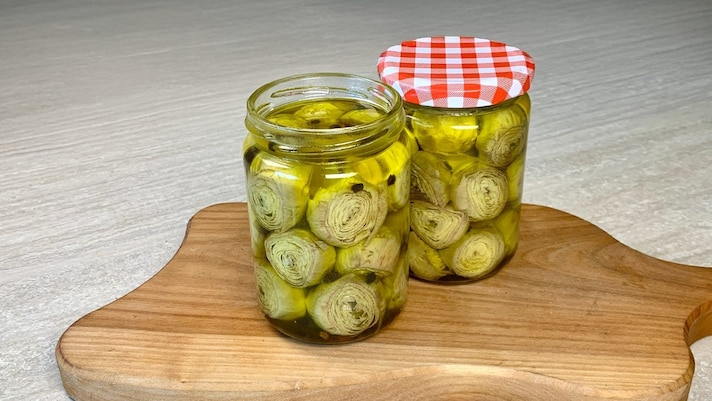
Artichokes are traditionally associated with oil preserves, preparations in which their delicate flavor is enhanced without being overpowered by acidity: however, they require proper preliminary acidification to avoid alterations during storage. They can also be used pickled, especially in giardiniera, where they acquire a more decisive flavor and a slightly crunchier texture. Among the most suitable varieties are the Roman artichokes, prized for their large, tender, and almost thornless heart, and the Sardinian spiny artichokes, characterized by a more compact consistency and an intense flavor that holds up well even after long periods of storage.
4. Zucchini
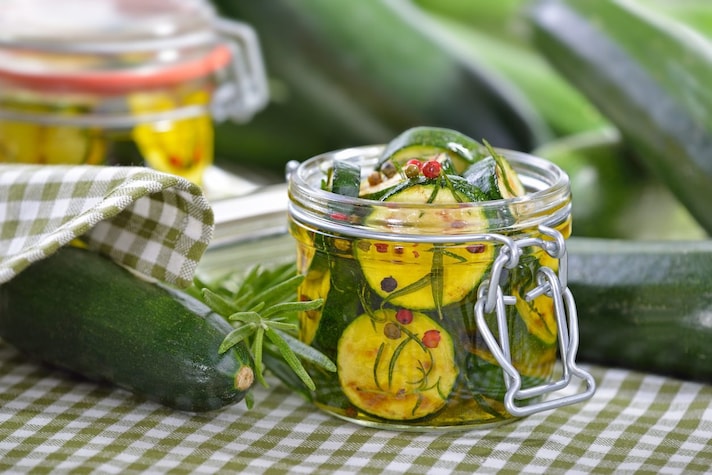
Zucchini are suitable for both preservation techniques, but tend to yield better results when preserved in oil, especially when flavored with mint, garlic, or chili pepper. When preserving in vinegar, it's best to use particularly young and firm specimens, which maintain their texture better after marinating. Among the most suitable varieties are Romanesco zucchini, prized for their firm flesh and intense flavor, and Sicilian light-colored zucchini, which, thanks to their firm texture, maintain their structure well during preservation. Very large and mature varieties, however, tend to contain more water and may be less suitable, especially when preserved in oil.
5. Cucumbers
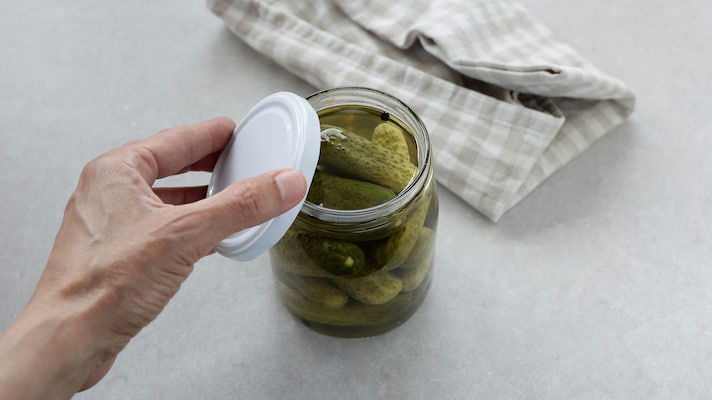
Cucumbers are ideal for pickling: it's precisely the acidity of the brine that preserves their characteristic crunchiness, especially when using young gherkins. However, they are used much less frequently in oil-preserved preparations because they tend to lose their firmness quickly. The most suitable varieties are gherkins (or pickling cucumbers), characterized by thin skin, few seeds, and firm flesh. These characteristics allow them to better absorb the brine's aromas without losing the characteristic crunchiness that makes this preserve so popular.
6. Spring Onions
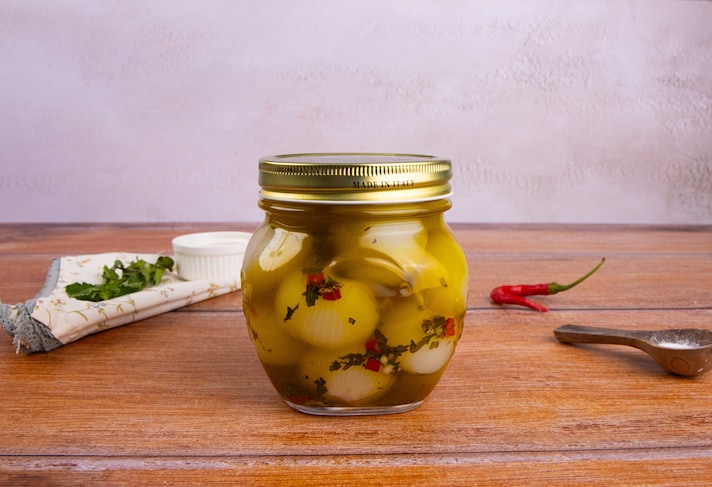
Onions and spring onions are traditionally preserved in vinegar, a preparation that enhances their natural sweetness, creating a pleasant contrast with the acidic notes of the marinade. Among the most suitable varieties are Borettane spring onions, particularly appreciated for pickling because they maintain a good consistency even after marinating. Tropea red onions can be used for preserves with a more delicate and aromatic flavor, although their texture tends to be slightly softer than traditional spring onions. They can also be preserved in oil after acidification, but it is when pickled that they best express their consistency and flavor.
7. Cauliflower
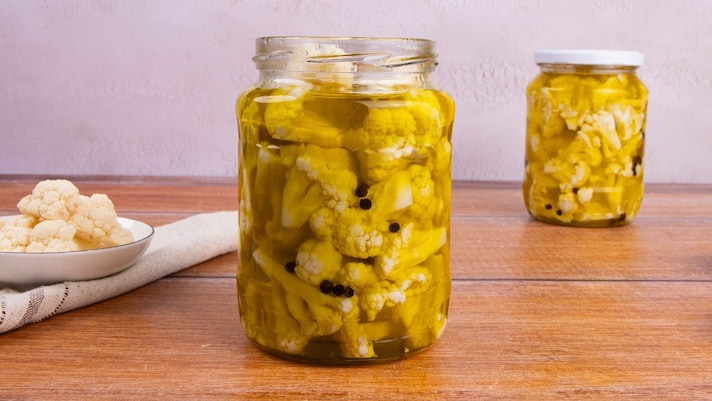
Cauliflower is one of the iconic ingredients of pickled giardiniera, as it maintains a firm consistency even after long periods of storage. It can also be prepared in oil, but is generally paired with mixed preserves where the acidity helps enhance its delicate flavor.
8. Green Beans
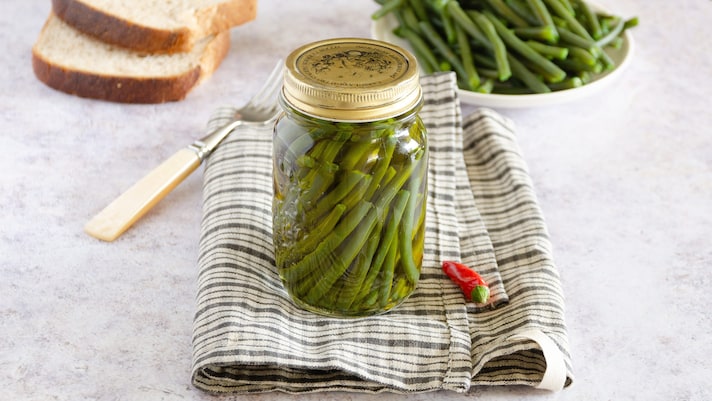
Green beans find one of their most interesting uses in oil, especially when harvested young and processed quickly after harvest. After acidification, they maintain a pleasantly firm texture and absorb the aromas of aromatic herbs well. They are equally popular in pickled giardiniera, but tend to develop a more pungent flavor. Fine or extra-fine green beans are preferable for preservation, characterized by less stringiness and a more uniform texture.
9. Mushrooms
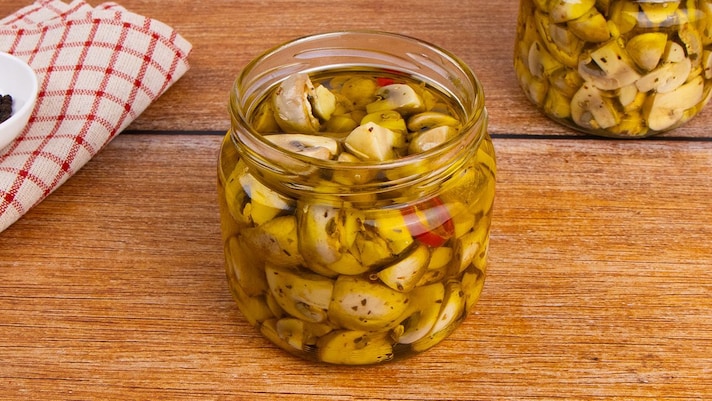
Mushrooms are among the iconic ingredients of oil-preserved foods, a preparation that allows them to best preserve their aroma and texture. After proper acidification, the oil helps enhance their woodsy notes without overpowering their natural flavor. The most popular varieties are porcini mushrooms, considered the best choice for their aromatic quality and texture, followed by honey mushrooms and oyster mushrooms, which maintain their structure well during preservation. Pickled versions are less common because the acidity tends to mask some of their organoleptic characteristics.
10. Mixed Giardiniera
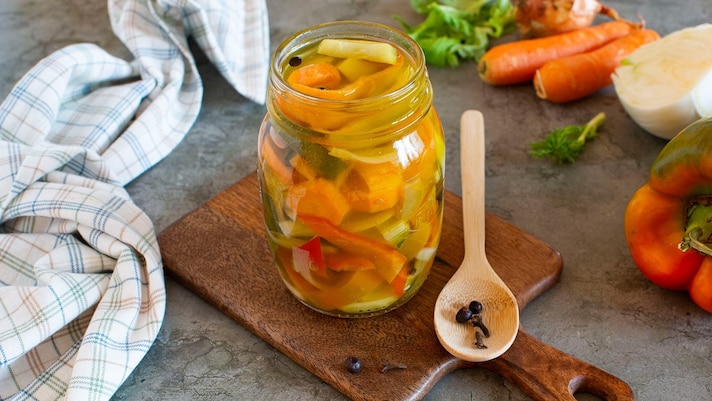
Giardiniera can be prepared either in vinegar or oil, but the oil-preserved versions are increasingly gaining popularity thanks to their more balanced and delicate flavor. After an initial acidification phase, vegetables such as cauliflower, carrots, peppers, celery, and green beans are preserved in oil, which balances their flavors and softens their palate. To obtain a quality giardiniera, it's important to use vegetables harvested young and particularly crisp, so as to preserve their texture and freshness even after preservation.
Vegetables Least Suitable for Canning
Not all vegetables are ideal for preserving in oil or vinegar. Lettuce, endive, overripe cucumbers, very watery tomatoes, and large zucchini tend to lose their firmness quickly and can result in texture-impairing preserves.
Even particularly delicate vegetables, such as some broad-leaf herbs, struggle to maintain their characteristics after long periods of storage. This doesn't mean they can't be used, but they require specific techniques and often yield less satisfactory results than traditionally used vegetables.
The Secret to A Good Preserve
To obtain safe, tasty, and long-lasting preserves, it's not enough to choose quality vegetables: it's essential to pay attention to every stage of preparation, from processing to storing the jars.
- Choose fresh, healthy vegetables. Use seasonal, firm vegetables that are free of bruises or damaged parts, because the quality of the raw ingredients directly affects the final result.
- Follow the preliminary treatments. Blanching, marinating, or acidifying not only improve flavor, but also help reduce the presence of microorganisms and make the preserve more stable over time.
- Thoroughly sterilize jars and utensils. Perfectly clean containers reduce the risk of contamination and help maintain quality and safety during storage.
- Pay particular attention to oil-preserved foods. Vegetables must be properly acidified and completely immersed in oil, avoiding contact with air, which could lead to unwanted changes.
- Always follow safe procedures. Improper preparation can promote the growth of Clostridium botulinum, the bacterium responsible for botulism, which is why it's important to follow reliable guidelines.
- Store the jars in the correct conditions. Store them in a cool, dry place away from light and wait a few weeks before consuming, so that the flavors can blend perfectly.

