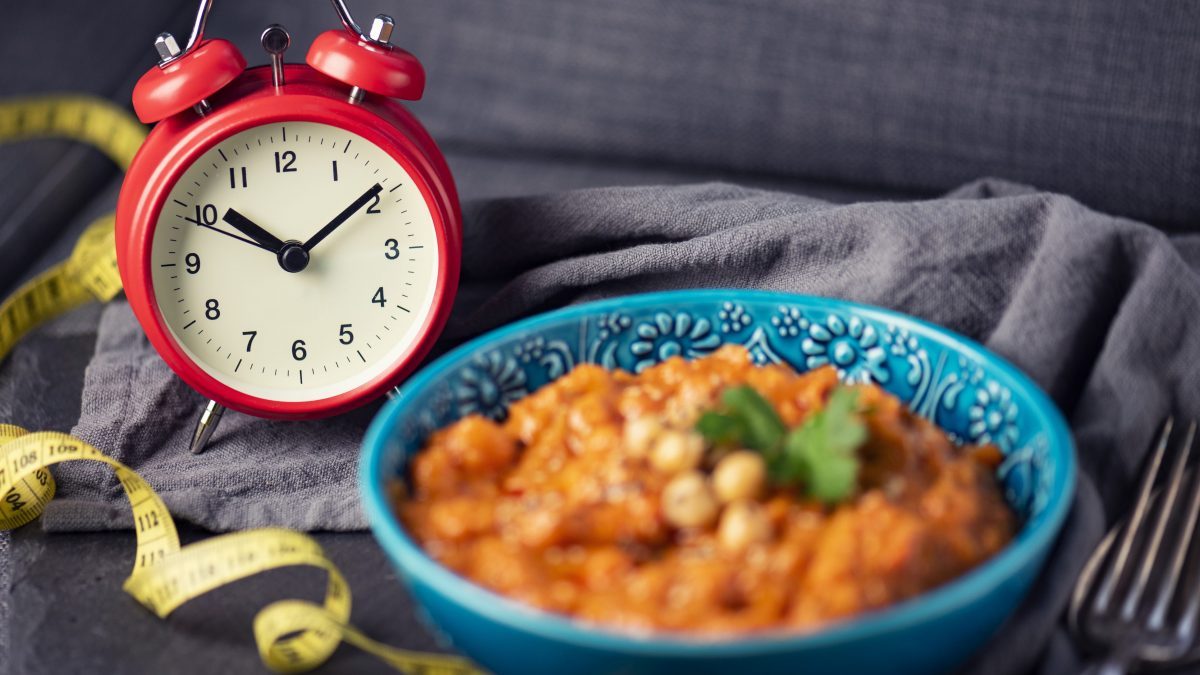
When we think of the word diet, we only think of one thing: eating little. In reality, this term is often used improperly: the etymology of the word dates back to the Latin diaeta, which in turn derives from the Greek term diaita, which literally means "lifestyle." This small semantic clarification is enough to understand that following a diet does not necessarily mean "fasting": rather, it is about learning which are the right foods to eat daily, that is, those that contain all the nutrients we need.
Having made this (not so) small introduction, it is intuitive to understand that, if our goal is to lose weight, a diet or, to use the correct term, eating regime, must never be particularly restrictive: the secret to achieving the ideal weight and, above all, maintaining it over time, is to adopt a continuous and long-lasting lifestyle. Starting, therefore, with a nutritional education which, unfortunately, is still underestimated today. And if it is not taken into consideration today, imagine how it could have been in the past: in this article, we want to talk about all those strange diets of the past that were based on spiritual data, personal experiences or which simply followed a fad, but which, fortunately, have now been surpassed (but perhaps not entirely).
1. Fletcherizing Diet

We wonderfully open this list with a fairly simple diet, whose motto is essentially: "the most important thing is to chew." Invented by the American Horace Fletcher, this diet requires chewing food 32 times before swallowing, and chewing must be done very precisely: the head should be tilted slightly forward, moving it slightly back when swallowing, so that the contents of the mouth can slide more easily. Anything that remains solid should be spat out. Fletcher also placed emphasis on the mood one should be in when eating: never do it if you are angry, sad, or particularly hungry.
2. Tapeworm Diet

It's so absurd it might seem made up, but unfortunately, it isn't: we're talking about the tapeworm diet, a small parasite known to most as the tapeworm. Conceived in the 1940s, it was very simple: ingest a pill containing the worm's head, which then grows inside the body, growing enormously (some can reach up to 9 meters) and managing to absorb all the calories we ingest.
Beyond the absurdity of inserting a foreign body into our bodies, tapeworms can cause side effects such as nausea, vomiting, fatigue, abdominal pain, diarrhea, and constipation. Furthermore, the worm may not remain where we choose to place it: the risk is that it could migrate to other parts of the body, leading to much more serious consequences. If the parasite reaches the brain, it can cause neurocysticercosis, which still accounts for approximately 30% of epilepsy cases in Africa and Asia.
3. Cabbage Soup Diet

Let's now move on to a diet that involves eating just one food… and it's not hard to figure out which one. Still followed by many people today, this cabbage-based diet promises to make you lose between 5 and 7 kilos in a week. Essentially, it involves eating only cabbage soup, in potentially endless quantities, combined with a few other ingredients such as fruit and leafy vegetables or even beef and rice at the end of the cycle, for seven days. It's fairly intuitive to think that this type of diet is deficient in many of the nutrients we need; it's equally intuitive to understand that, by ingesting mostly liquids for such a short period, all that is lost is water: this means that, once the other foods are reintroduced, all the lost weight will be quickly regained.
Its origins are still unknown and, although it is still followed today by a fair number of people, it reached its peak around the 1980s with the name faxlore: this is because it seems that it was spread thanks to all those who sent the meal plan by fax.
4. Baby Food Diet

This is one of those diets popular among Hollywood stars: many will already be familiar with it because it is followed by celebrities like Jennifer Aniston, Lady Gaga, and Gwyneth Paltrow. Formulated by personal trainer Tracy Anderson, it involves eating only baby food: the amount is about 16 a day, distributed throughout mealtimes. The underlying idea is very simple: if it nourishes children, it can nourish adults too. Well, yes, but no: baby food does contain many important nutrients, but it lacks some that are essential for us adults, like fiber.
5. Beverly Hills Diet

We're staying in California for one of those fad diets: created by lawyer Judy Mazel, the diet is primarily based on the precise combinations of various foods, which are divided into three groups: proteins, carbohydrates, and fats. The combinations are: proteins and fats yes, carbohydrates and fats yes, but proteins and carbohydrates no, meaning that, for example, a glass of milk with a steak is fine, but not with cornflakes. Fruit cannot be paired with other foods, and processed products are absolutely forbidden. Not only the combinations, but according to this type of diet, the order in which foods are eaten is also important: fruit should be eaten every day and always first, followed by carbohydrates, and finally proteins. It is then necessary to wait at least two hours between consuming foods belonging to different categories. Surprise of surprises? Champagne is always allowed, to the delight of the jet set, who particularly followed it. The diet was published in a book entitled “Beverly Hills Diet” and was defined by several doctors and nutritionists as “the worst diet ever devised”.
6. hCG Diet

Yes, that's what you're thinking: we're talking about the pregnancy hormone. Developed in the 1950s by English doctor Albert Simeons, this type of diet involves injections of this hormone three times a week for three weeks. Those who received it also had to follow a low-calorie diet, of around 500-600 kcal, to reduce body fat and hunger. Obviously, it wasn't without its drawbacks: it apparently caused gallstones, hormonal disorders with breast growth in men, heart problems, thrombosis, and even negatively affected mood and sleep.
7. Blue Vision Diet

“Wear a pair of glasses with blue lenses and you'll lose weight”: that's more or less the concept. And we're not kidding. Originating in Japan, the blue-tinted glasses diet prescribes wearing glasses with lenses of this particular tint: why? Because it seems that this shade helps to dull the palatability of foods, significantly calming urges. As absurd as this diet may seem, it's actually based on a true assumption: blue makes foods less attractive because no food naturally has that color. But obviously, that doesn't mean this diet works—quite the opposite.
8. Sleeping Beauty Diet

Let's get this straight: Princess Aurora and the famous fairy tale have nothing to do with any of this. It's a diet that involves sleeping to avoid eating, resulting in weight loss, of course. In itself, there might not seem to be anything strange about it: I sleep, therefore I don't eat. The problem, however, arises when the methods used to induce sleep aren't entirely natural: considering that the average person sleeps about 7-8 hours a day, powerful medications, such as sleeping pills, are taken to manage to sleep all day. Obviously, the diet works, but it's a totally unhealthy approach and considered dangerous and wrong by many doctors.
9. Bible or Creator Diet

Let's now move on to a diet with strongly religious origins: it lasts 40 days and involves the consumption of foods approved by God, such as organic and unprocessed foods (vegetables, fish with fins and scales, grains, meat and poultry), while, on the contrary, it prohibits foods such as cured meats, pasta, bread and all processed foods. According to the American creator Jordan S. Rubin, humans are destined to eat foods created by the Lord and not manipulated, to improve the overall functioning of the body, concentration and mood. He also suggests not eating and praying whenever one feels hungry (and if only it were that simple).
10. Shangri-La Diet

Created by American psychologist Seth Roberts after a personal experience abroad: during a trip to Paris, he found himself forced to eat and drink foods and beverages with different flavors than what he was normally accustomed to. The result was a loss of about 20 kilos, and from there came an epiphany: the weight loss wasn't due so much to what he'd eaten, but to a decreased appetite caused by being faced with foods he didn't particularly like. So, as Archimedes would say, eureka: why not create a diet based on this very principle? It works more or less like this: manipulate and reduce hunger by drinking olive oil or sugared water before meals, so as to feel fuller during subsequent meals, again according to Roberts. But this alone isn't enough: as he himself has experienced, you need to eat foods with a generally neutral flavor and that aren't very tasty to avoid overindulging. This process would help the body to dissociate the relationship between flavor and calories and therefore achieve a feeling of satisfaction that reduces appetite for the rest of the day, resulting in weight loss: madness.
11. KE Diet or Feeding Tube Diet

Keeping with the absurdity, let's end with a flourish with the so-called gastric tube diet: yes, the one used with patients who are unable to eat or choose not to. It works like this: the tube, inserted into the nose and empties into the stomach, pumps a low-calorie but protein- rich liquid. The result is the famous ketosis: the result is a loss of about nine kilos in 10 days. By not introducing carbohydrates, the body burns stored fat and draws energy from ketone bodies present in the blood: all of this, however, leads to certain consequences such as stress on the kidneys and liver, drowsiness, headaches, and the risk of kidney stones.
Did We Really Leave These Diets in The Past?
We've talked about these particular and sometimes bizarre diets, referring to them as if they were now outdated diets. What's disconcerting, however, is how some of them, like the cabbage soup diet or the hCG diet, are still considered or even followed.
In this article, we don't want to discuss the best way to create a diet, but simply point out that there are no miracles. To lose weight in a balanced (and, above all, lasting) way, it's essential to adopt a healthy lifestyle and stick to a diet that provides all the nutrients our body needs. And remember: following a diet isn't just about losing weight, it's about educating yourself and understanding the best and, above all, healthiest way to eat.
This also means that, once you've lost those extra pounds, it's important to continue a healthy, balanced diet to keep your body healthy and fit, and also to avoid returning to your initial weight. Losing weight quickly, in fact, by following a drastic and excessively low-calorie diet inevitably leads to regaining the lost weight once you return to a normal-calorie diet. All the diets analyzed in this article fail to take this into account, as do the dangerous consequences that certain choices can bring. And that's the limit.
;Resize,width=767;)
