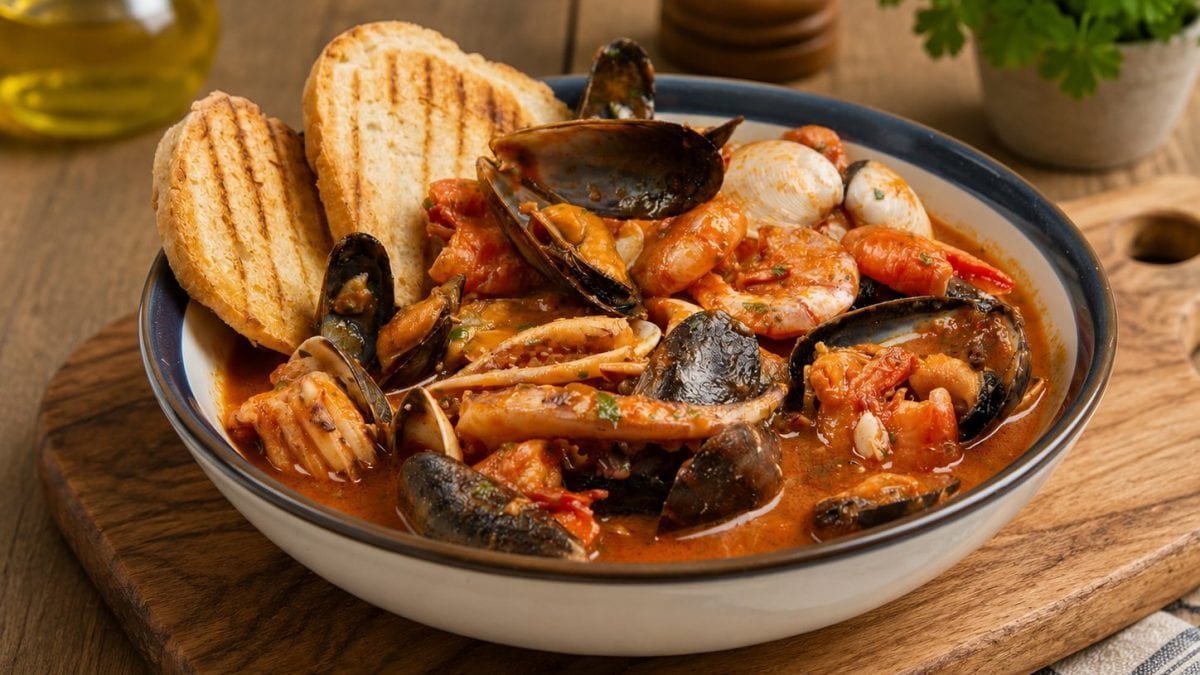
Among the iconic recipes of the U.S.' coastal communities, fish soup holds a special place thanks to its ability to showcase local catches. From north to south, there are numerous regional variations—from New England's clam chowder to the Cajun seafood gumbo, to Gulf Coast's fish stew—but they all share a fundamental principle: the quality and variety of the fish used.
Unlike other preparations, fish soup requires slow, prolonged cooking, allowing the different ingredients to release aromas and flavors into the broth. For this reason, it's important to select species with different characteristics, combining soup fish, more prized fish, and often mollusks and crustaceans. Here are the best fish to use and how to choose them to create a rich, flavorful soup.
Why Choosing the Right Species is Important
The success of a good fish soup depends on the balance between the different types of fish: some fish are particularly suited to flavoring the broth thanks to the presence of bones, skin, and collagen-rich tissue, while others contribute more valuable and firm flesh.
Using a single species can create a less aromatically complex dish: tradition, in fact, suggests combining bottom-dwelling fish, white-fleshed fish, and more intensely flavored ingredients to create a deep, well-structured broth. Another important aspect concerns the consistency of the meat: some species hold up well to long cooking, while others should be added only in the final minutes to prevent them from falling apart.
To prepare a tasty soup, it's advisable to use a combination of different species. Some fish are particularly appreciated for their contribution to the flavor and structure of the dish: here are which ones.
1. Scorpionfish
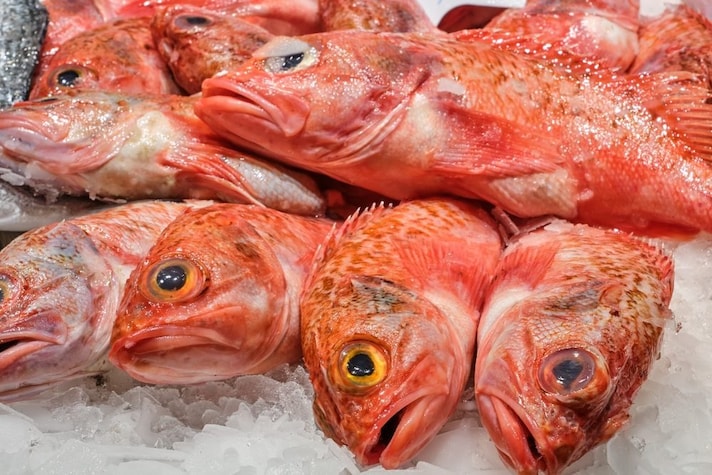
Scorpionfish is considered one of the best soup fish: its flesh is firm, flavorful, and rich in flavor, while the head and bones contribute to a particularly intense broth. Thanks to its structure, it stands up well to long cooking without completely falling apart, enriching the dish with flavor. With its firm muscle structure and robust bones that release collagen, it doesn't mind the first few minutes of cooking. It should be added at the beginning, immediately after the tomato sauce, because it needs time to release its intense flavor into the broth without the risk of falling apart.
2. Sea Gurnard
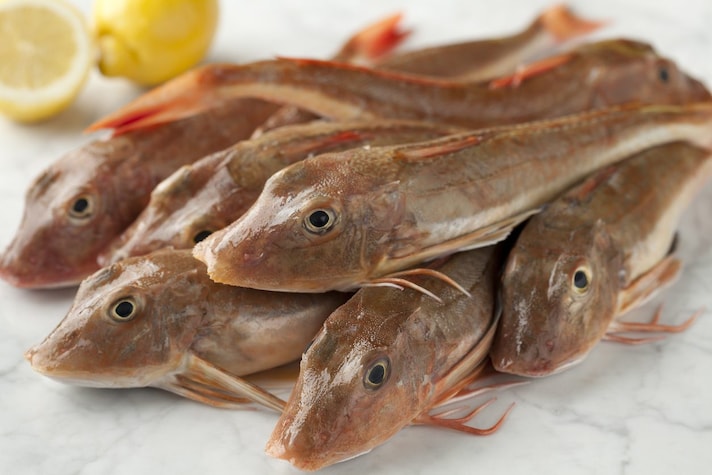
Sea gurnard is another classic fish soup: its delicate yet firm flesh and a refined flavor that easily transfers to the broth. It's widely used in traditional Central European dishes and is one of the most popular species for achieving a balanced result. While it doesn't fall apart immediately like white fish for filleting, its flesh is more tender than scorpionfish. The ideal time to add it to the pot is halfway through cooking, when the broth has already begun to reduce but there are still about ten minutes left before turning off the heat.
3. Weever
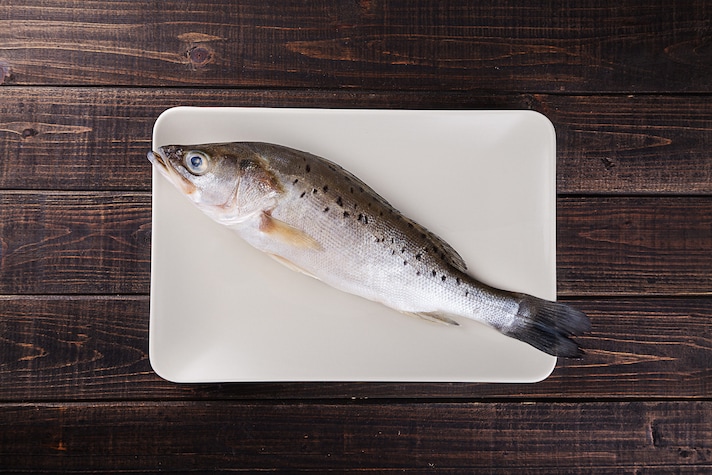
Often used in traditional seafood recipes, weever fish has a flavorful, white flesh that lends itself perfectly to stewing. It helps make broths richer and more aromatic, maintaining a good consistency even after cooking. It tolerates stewing well, but its flesh tends to dry out if left to boil too long. It should be added halfway through the cooking process, along with gurnard, to keep the flesh juicy while still enriching the stew.
4. Atlantic Stargazer
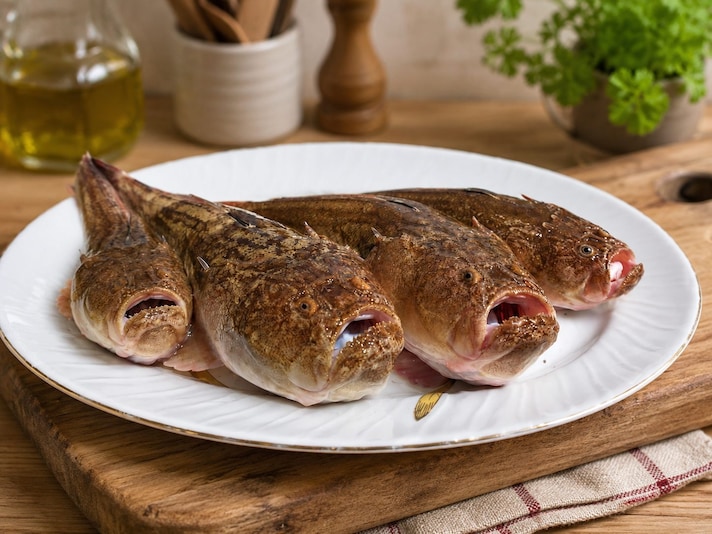
The Atlantic stargazer, also called whitefish, is a regular feature of traditional brodetti. Its large, cartilage-rich head is a true powerhouse of flavor for the cooking juices, while the flesh remains firm and juicy. Its white flesh is lean, firm, and just the right amount of leathery: it's one of the less delicate fish in this selection. Just like scorpionfish, it should be added very early in the soup, as its structure requires heat and time to soften and give body and density to the stock.
5. Monkfish
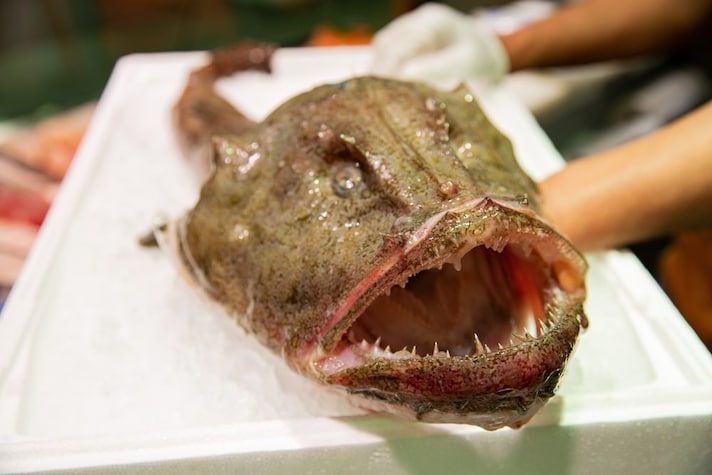
Monkfish, or anglerfish, is one of the most popular fish in modern soups thanks to its firm, boneless flesh. It holds its shape perfectly during cooking and offers substantial, flavorful bites, particularly appreciated by those who prefer a more meaty soup. Because it doesn't tend to fall apart and its fibers remain firm, it tolerates long cooking times. It can be added at the beginning of cooking if cut into thick bites, or halfway through cooking if cut into thinner slices.
6. John Dory
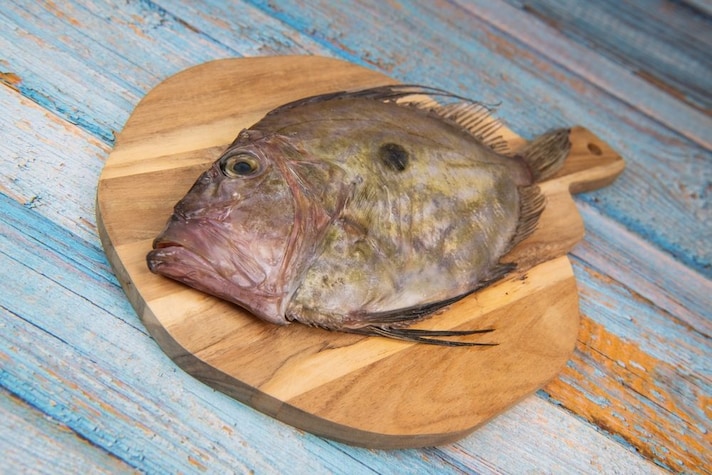
John Dory is one of the most prized species of fish for seafood soup. Widely used in Tyrrhenian recipes, it stands out for its firm, incredibly delicate, white flesh, which holds its shape without falling apart during gentle cooking. Furthermore, its large head and bone structure are perfect for reusing in the preparation of fish stock, ensuring a rich, deep broth. Its fillets are incredibly tender and sensitive to heat: if cooked too long, they literally dissolve into the broth. It should be handled with care and added only in the very last 4-5 minutes of gentle cooking, placing it on top of the other fish as if to exploit the steam from the stew.
The Smaller Fish, Mollusks and Crustaceans to Use
A memorable fish soup, however, doesn't rely solely on the giants of the seabed: its true complexity comes from the combination of less commercial local catches and the richness of the world of mollusks and crustaceans. It is in this mix that the tradition of poor seafood cuisine is best expressed.
Alongside the main species, a key role is played by fish once considered "secondary" but rich in character. Conger eel and dogfish, for example, add flavor and a meaty texture without weighing down the dish with excessively fatty notes, while hake and cod offer clean, delicate nuances that integrate well with the rest of the dish. Red mullet and small rockfish from the fishing fleet deserve a special mention: despite being rich in bones and difficult to clean on the plate, they are veritable explosions of flavor that fishermen have always used to add intensity and that typical iodine-and-rocky aroma to the basic broth.
To complete this symphony of flavours, seafood, cephalopods and crustaceans intervene, each with a specific role in balancing the dish:
- Mussels and clams. Gently opening in the pan, they release their precious cooking water, a briny and naturally savory liquid that adds flavor to the stew and reduces the need for salt.
- Cephalopods (squid and cuttlefish). Thanks to their firm, porous flesh, they are the best ally for absorbing the flavors of the tomato, garlic, and wine cooking juices, while also providing a pleasant chewing consistency.
- Shellfish (shrimp, scampi, and prawns). Placed on top of the pot in the final minutes, they add a spectacular visual touch and, above all, a sweet, delicate nuance that balances and softens the strong, bold flavor of the soup fish.
The Secrets to a Good Fish Soup
The real secret to preventing soup from turning into a shapeless mush lies in the precise layers of cooking. Not all fish are the same: throwing everything into the pot at once is the quickest way to ruin the raw material. Cooking a perfect soup requires patience and a well-defined time schedule, divided into three key moments based on the delicate nature of the fish:
- Bottom-frying and broth-fed fish (less delicate, should be added at the beginning of cooking). These species, such as scorpionfish and sardines, have firm, leathery flesh rich in collagen, as well as large heads that need time to release their juices. They should be placed on the bottom of the pan from the very first minute, immediately after thinning the sauté with tomato or fish stock. They will be the ones to cook the longest (about 20-25 minutes) and will create the structure of the broth.
- Fish with medium-firm flesh (add halfway through cooking). Halfway through, after about 10 minutes, add gurnard, weever, and monkfish morsels. These fish have an intermediate consistency: they need to absorb the flavor of the sauce, but if left to cook from the beginning, they would dry out and lose their natural juiciness.
- Fine fish, mollusks, and crustaceans (the most delicate, added at the end of cooking). In the last 4-5 minutes before turning off the heat, add the more fragile species, such as the very tender John Dory fillets, along with shrimp, scampi, squid, mussels, and clams. The John Dory and crustaceans should almost "smoke" and cook gently, exploiting the heat and steam from the stew underneath, thus maintaining their silky texture without flaking or becoming rubbery.
The cooking juices also play a key role: generally, they're prepared with a generous drizzle of extra virgin olive oil, garlic, parsley, and tomato (fresh or thinly pureed), but regional variations may include hints of white wine, vinegar, chili pepper, or different aromatic herbs. Toasted bread, often vigorously rubbed with raw garlic, traditionally complements the dish: placed on the bottom of the plate or to the sides, it serves to collect and absorb every drop of the flavorful broth.
Tips for Choosing and Preparing Fish Soup
When purchasing fish, it's essential to check its freshness: the eyes should be shiny and protruding, the gills bright red, and the flesh firm and supple. A delicate sea odor is always a sign of good quality.
To obtain a balanced soup, it is advisable to use at least three or four different species, combining fish for stock and fish for pulp: before cooking, each ingredient must be carefully cleaned and, if possible, use heads and bones to prepare a stock that will make the broth even more flavourful.
During preparation, it's important not to overmix, to avoid breaking the fish pieces. Slow, gradual cooking preserves textures and aromas, resulting in a rich, fragrant, and perfectly balanced soup.

