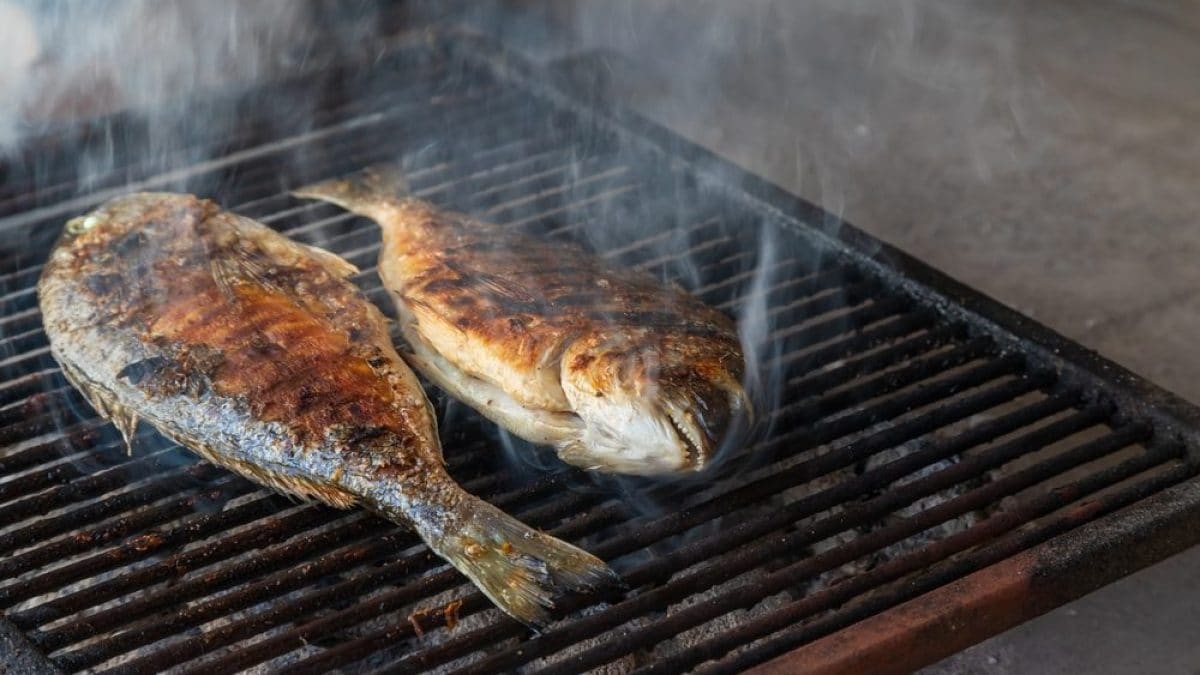
Grilled fish is one of the most classic preparations for showcasing the natural goodness of white and blue fish, crustaceans, and mollusks. It's a very simple and ancient cooking technique, often featuring a variety of fish species depending on their geographic area of origin and habitat, including seas, rivers, and lakes. Here, we'll look at the most common fish found at fishmongers, markets, and large-scale retailers—such as sea bream, mackerel, and squid—what characteristics they should have, and how to best prepare them for single or mixed grills, perfect for any occasion.
What Are The Main Characteristics of Grilled Fish
When it comes to grilling fish, the choice of raw materials, in a word, is everything. It is a very popular cooking method, but it is not without its pitfalls, as it combines top-quality ingredients (just like with meat) with very high temperatures, which are notoriously not the best friends of food. Not all fish species, in fact, react the same way to the intense heat of the grill or griddle; some tend to flake and dry out, while others maintain a compact structure and remain juicy, always taking some precautions to avoid ruining them. And it is precisely the latter that we must rely on: the flesh is firm, does not break and has a balanced presence of natural fats, which guarantee flavor and tenderness even in the most delicate types.
The Best Fishes to Grill
Once you've figured out what to look for, it's helpful to explore the different varieties that populate the seas, but also rivers and lakes— freshwater fish. Some work perfectly whole, others are better when sliced, without overlooking mollusks and crustaceans, which always provide great satisfaction.
1. Whole Saltwater Fish

Saltwater fish, which live in sea and the ocean, are among the most popular choices when cooked whole. The choice is wide, depending on several factors, such as the availability of the catch, its flavor, the amount of fat, and even the amount of bones. Preliminary cleaning usually involves removing the innards, while the skin and scales protect the flesh and help retain the juices. Let's see which are the most popular.
- Sea bream and sea bass. Let's start with the great classics: sea bream and sea bass are two white fish that resemble each other in their delicate, pleasantly marine flesh, with the former being sweeter and more prized. Both appreciate aromatic herbs, citrus fruits, and emulsions made with extra virgin olive oil to flavor the flesh and prevent it from becoming stringy during cooking.
- Mackerel and sardines. Among the blue fish, mackerel and sardines are particularly suitable for grilling or griddling, ranging in size from large to small, from mackerel to sardines. The smaller ones, in particular, can be opened like a book and cooked over a hot surface. These fish contain a good amount of fat, which gives the meat a more intense flavor and reduces the risk of drying out.
- Red Mullet. A small rockfish, grilled red mullet is not to be underestimated, but it's also important not to ruin it, as its tender flesh tends to flake easily. Therefore, they're cooked whole for 4-5 minutes per side, and it's recommended to season them with a fresh sauce made from chopped parsley, oil, garlic, a pinch of salt, and lemon juice.
2. Mollusks

Among the great classics are mollusks, which require some care to prevent them from becoming rubbery. Calamari, squid, and cuttlefish, if cooked briefly at high temperatures, develop their typical smoky flavor without losing their tenderness. It's important to clean them thoroughly, removing the innards and cartilage, dry them well, and score their surface to prevent them from curling up and becoming tough: a couple of minutes per side is enough, while the tentacles require a few minutes longer. To add flavor and moisture, it's helpful to brush them while they're on the grill (or griddle) with a simple emulsion of oil, lemon, and aromatic herbs. Octopus is a different matter, as it needs to be boiled beforehand to become tender: it's generally grilled in pieces, not whole.
3. Crustaceans

There's also room for prawns, king prawns, shrimp, scampi, and shellfish, all of which share a characteristic sweetish flavor, which is enhanced by the grill, as the raw material undergoes very little manipulation. They can be grilled whole with the head or just the tails, leaving the shell on, which, like the fish's skin, acts as a protective covering from the high heat: scampi can also be split open.
4. Fish Fillets

There are fish that meet all the requirements for grilling (firm, firm flesh), but whose size makes it impossible to cook whole, and not only in this circumstance. Tuna, swordfish, and salmon, cut into steaks or fillets, are real stars: they have a texture reminiscent of a classic steak (the slices are about 2-3 cm thick) and are excellent when left to rest briefly in a marinade of oil, lemon, and aromatic herbs. Salmon, of the three, is the fattiest and requires a few more minutes of cooking: when you cook the fillet, it's best to leave the skin on, which acts as a protective barrier and becomes crispy to eat.
5. Freshwater Fish

We often forget about the existence of freshwater fish: the reason, often, is linked to their availability, some are easy to find while others are more closely tied to the local area, or because we have the idea that they are more complicated to enhance in the kitchen. In reality, they are an opportunity to exploit, whether they are from lakes or rivers, with specimens that traditionally lend themselves to being grilled: for example, trout – which is also found in the sea – or whitefish or lavaret, which is compared to sea bass, to be cooked whole, while perch fillets are used, marinated in lemon, oil, garlic, parsley and then cooked.
6. Fish Skewers

We conclude our review with skewers, a fun, practical, and versatile idea. Fish with a firm texture that's easy to dice into regular cubes, such as swordfish, tuna, and salmon, are best suited to this dish. Calamari, cuttlefish, or shrimp can also be added for a variety of flavors and textures. Another advantage is the ability to alternate the meat with vegetables like zucchini, peppers, or onions, creating colorful and appetizing combinations.
What Changes During Cooking of Lean Vs. Fatty Fish
The difference between fatty and lean fish is crucial to the final result. Fattier fish, such as mackerel, salmon, or sardines, contain a higher quantity of lipids which, melting during cooking, protect the flesh from the direct heat of the grill and keep it tender, also giving it a naturally stronger flavor. They tend to be more rustic, but also more practical because they are difficult to dry out. The situation is different, however, for leaner fish, such as sea bream, sea bass, or perch, which have a fine, delicate flesh that is sensitive to aggressive temperatures: for this reason, they require greater attention to cooking times and often benefit from a light marinade, lemon slices, or a drizzle of extra oil, which help to flavor and add juiciness.

Practical Tips for a Perfect Barbecue
In addition to choosing the right type, remember that the freshness of the fish is essential for a perfect grill, so choose carefully when purchasing. Before cooking, it's a good idea to clean it, gut it, and pat it dry with paper towels to remove excess moisture. It's often helpful to lightly oil both the fish and the grill to prevent the surface from sticking and tearing the flesh: smaller fish species and steaks in particular need to be kept under control, otherwise you run the risk of drying out the flesh, if not burning it. As we've seen, marinades and emulsions become helpful before, during, or after cooking, because they help tenderize the flesh and impart fresh flavors and aromas without overpowering the natural flavor of the fish. Finally, remember that salt should only be added before serving or in sauces, because direct contact with the flesh would cause the juices to escape, making it drier.
;Resize,width=767;)
