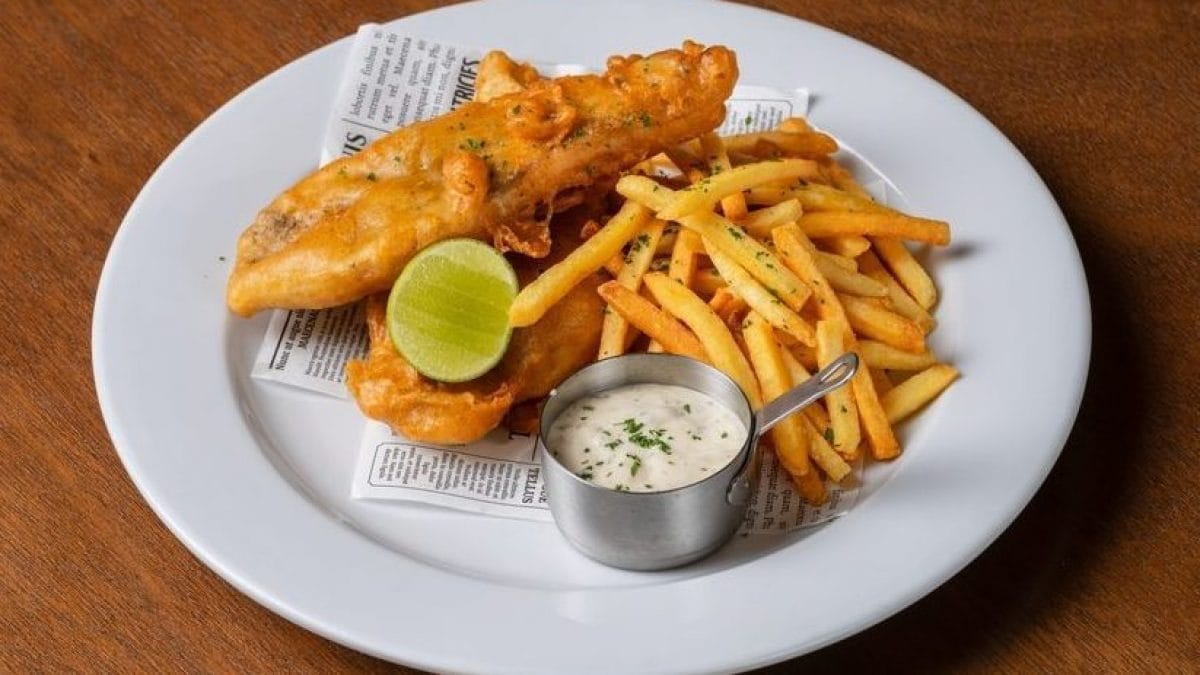
Fish and chips is one of the most famous dishes in British cuisine: it's a single dish combining battered fish fillets and chips, accompanied by sauces like tartar and a pea puree called mushy peas, served as a side dish. It became popular in the second half of the 19th century as a modest but appetizing dish, intended for the working class, and later became a symbol of street food, available in paper cones at traditional chip shops or enjoyed in pubs and restaurants, with many gourmet reinterpretations. A dish that can also be prepared at home, with a relatively simple recipe, perfect for weekend dinners with family or friends. Inspired to try it? Here we'll tell you which fish are the protagonists of the original recipe, also suggesting alternatives for variations.
What Fish is Traditionally Used for Fish and Chips?
Inside that delicious casing lies a fish with tender, juicy, and delicate flesh: tradition dictates that the choice falls on fresh cod. This is Gadus morhua, the prized cod that comes from the waters of the North Atlantic and also reaches our tables, especially in the frozen version or in the form of cod and stockfish. Another fish that appears frequently is haddock: it also prefers the cold of the ocean and belongs to the same family as cod (Gadidae), but is smaller in size. What they have in common is their white, lean, and firm flesh, with very few bones, which lends itself well to frying because it remains firm and does not dry out, guaranteeing the typical result: crunchy on the outside and soft on the inside.
When it comes to "authentic" fish and chips, there are some fish species that embody tradition more than others, bringing to the plate those typical flavors found across the Channel. Let's see what the main ones are.
1. Cod

It is undoubtedly the most famous protagonist: its flesh is white, delicate, firm, tender, and pleasantly aromatic. Thanks to the size of the fish, the fillets are often large and compact, easy to handle and ideal for obtaining generous portions.
2. Haddock

Its Latin name is Melanogrammus aeglefinus, and it is also widespread in the waters of the North Atlantic, including the British Isles. It is used mainly in Scotland (where it is included in other typical dishes, such as cullen skink, a soup in which it is smoked) and in the north of England. Compared to cod, it is smaller and has a sweetish aftertaste: the flesh is suitable for breading and frying both for fish and chips and for making homemade fish fingers.
3. Alaska Pollack

It's called Gadus chalcogrammus and is one of the most popular alternatives to Nordic cod, especially for industrial products and for fast food establishments: it's cheaper and easy to find filleted, often frozen. It's caught in the North Pacific Ocean and is known in English as Alaska pollock: its flesh is pure white, lean, and has a fairly neutral flavor.
4. Plaice

Yes, plaice (Pleuronectes platessa in Latin) also makes a great pairing with French fries. This flatfish, easily found in northern latitudes but less common in the Mediterranean, is becoming a popular and sustainable alternative to cod and haddock. The fillets are thin by nature, but equally easy to fry: the flesh has the advantage of always being lean, tender, and more intense in flavor.
What Characteristics Should The Fish Have?
Regardless of the species, to work truly well in fish and chips, the fish flesh must have some fundamental characteristics: prefer white fish, which have a milder flavor than oily fish and are lean. Mackerel or salmon, for example, would have too strong a flavor and, due to their higher fat content, could weigh down the dish. Remember, in fact, that the frying batter is substantial, given that the ingredients include milk, eggs, and often the addition of spices, such as paprika.
;Resize,width=767;)
