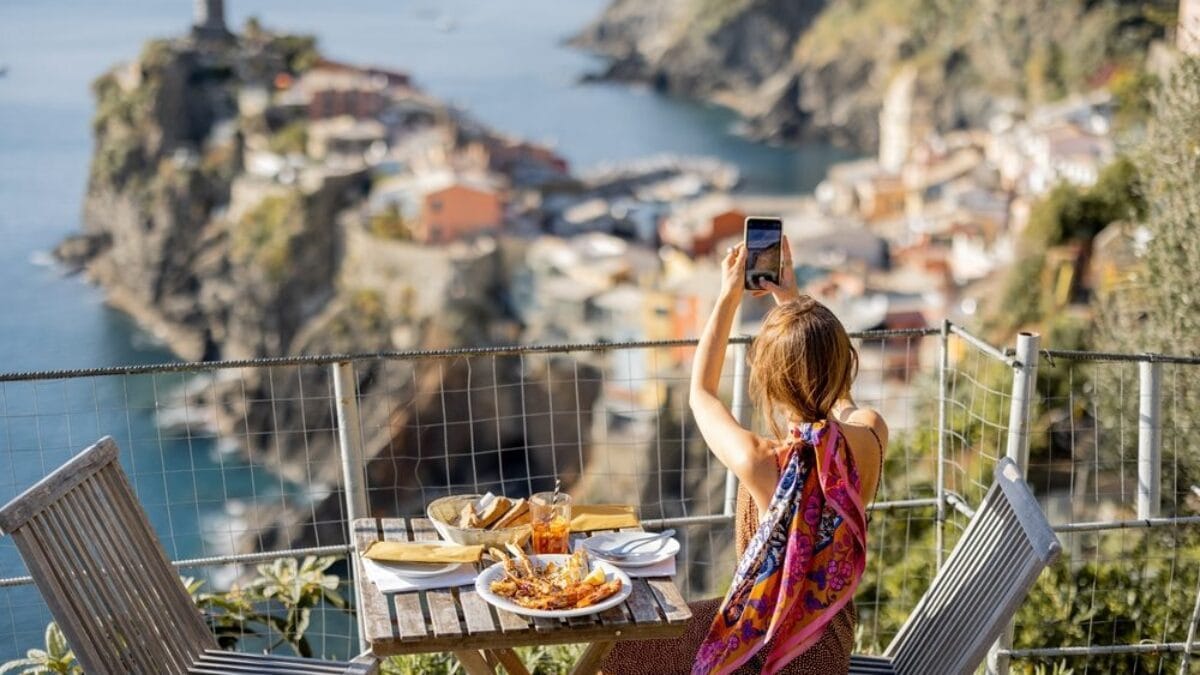
In Italy, sitting down to eat isn't just a simple daily gesture, but a true collective ritual. Their cuisine, in addition to being an Intangible Cultural Heritage of Humanity, is an inextricable blend of history, identity, and flavor. For millions of tourists visiting the Bel Paese, the gastronomic experience is the heart of the trip, but it's not always easy to delve into Italian traditions, and the risk of "mixing" cultures is always present. In fact, there are some truly unwritten rules of Italian tables: the BBC, in this regard, has created an exceptional handbook, setting out in black and white the etiquette required to fully enjoy authentic Italian cuisine.
Through the writing of Eva Sandoval, the daughter of Italian immigrants to the United States and the author of several articles on culinary etiquette and travel guides to Southern Italy, the British broadcaster has promoted respect for Italian culture; the aim, in fact, is not to pass moral judgment on people's tastes and customs, but simply to note the mistakes that risk ruining a quintessentially Italian dish, or a moment.
Here are the "rules" that, according to the BBC, should be observed when a tourist goes to eat in an Italian restaurant.
1. Never Drink Cappuccino Outside of These Hours
The BBC starts with a golden rule: in Italy, cappuccino is not drunk to accompany or conclude a meal. "Never order a cappuccino in a restaurant; it's only enjoyed at the bar during breakfast," writes the broadcaster. In fact, this tasty drink made from coffee and steamed milk is perfect for starting the day, especially when enjoyed alongside a brioche or a fragrant croissant. It's a quintessentially Italian recipe, so important that it's become a symbol of their country. Eva Sandoval concludes by stating: "When Italians drink coffee after their first meal of the day, it's either an espresso or a macchiato."

2. Respect the Order of The Courses
An Italian menu consists of an appetizer, first course, second course, side dishes, dessert, coffee, and liqueur. This order should be recited by heart, as if it were a poem. This sequence, however rigid, allows the flavors to evolve from the lightest to the most intense, concluding the meal with a shot of caffeine or a digestif. It's clear that a particular course may not be to everyone's taste, and it's certainly possible to skip some, but changing the order risks disrupting the entire experience. Furthermore, "bringing everything together," writes the BBC, "is a highly unusual request." A small focus is also given to the mixed salad, which isn't served at the beginning but is rather a side dish eaten with the main course, often meat-based. The second rule concludes with a succinct "pasta is not a side dish."
3. Putting Cheese on Fish is a "Deadly Sin"
Here we find ourselves faced with something that, we must admit, has raised eyebrows at least once in our lives: sprinkling cheese on fish is something truly atypical for Italian tastes. In fact, here, it's unusual to mix sea and mountain; instead, it's preferable to consider them distinct culinary traditions. The flavor profiles are believed to be incompatible, so a seafood product cannot be paired with a mountain product, such as cheese or cured meat." After a seafood salad, serve spaghetti with clams and fried calamari, not fettuccine Bolognese and suckling pig." It's true that Italian tradition includes dishes that combine excellent ingredients, such as pasta with mussels and pecorino, but these are, nevertheless, isolated cases and well-established recipes. Generally, however, tradition tends to separate these two culinary worlds.

4. Don't Invent Unlikely Combinations
Starting from the necessary premise that it's necessary to mention allergies and dietary requirements when asking if an ingredient can be omitted, the BBC strongly advises against requesting "customized" dishes. Some ingredients, it writes, traditionally pair well together, such as short pasta shapes pairing perfectly with full-bodied sauces, or long pasta pairings with smoother sauces. "Never ask to prepare a dish with a different ingredient," says Eva Sandoval, because in addition to creating an inharmonious taste, it could also be seen as a judgment on the chef's work.
5. Respect Local Products
While not a huge country like Russia, Brazil, or the United States, Italy boasts a truly unique biodiversity. This has led, over time, to the development of very different gastronomic traditions depending on the region. The flavors of Campania, for example, are completely different from those of Veneto, as are those of Sicily and Piedmont. This leads to a strong local identity, with many citizens identifying first with the region, and then with the nation.
The BBC writes: "Discovery is part of the fun, and the variety of dishes is breathtaking. A tip: go to Naples for pizza in its birthplace, then continue south to indulge in Amalfi limoncello. Pesto originated in Genoa. For cacio e pepe and carbonara, head to Rome. Florence is famous for its succulent, thick-cut Florentine steaks, while Venice is the epicenter of aperitivo culture, which is expressed in its bacari (rustic bars) with cicchetti (small tapas) and rounds of Aperol Spritz.

6. Don't Eat in a Hurry
Like many Mediterranean countries, Italians typically have dinner around 9:00 PM, unlike Anglo-Saxon or Eastern European culture. Dinner can last for hours, and in fact, the British broadcaster writes, "expect to finish around midnight." This is because eating at a restaurant isn't just a segment of the day to fill your stomach, but a time to enjoy good food, laugh, discuss, and "order more wine." The pauses between courses are part of the experience, filled with lively conversation and, often, breadsticks or bread.
7. Don't Skip The Bitters
If you've read every point in this guide, you know that an Italian meal always ends with dessert, coffee, and a bitter liqueur. The latter, in particular, shouldn't be skipped, for several reasons. First, because it helps you recover after a hearty meal, and second, because they're often regional or even locally sourced products, a source of great pride for restaurateurs. They're usually prepared with citrus zest, walnut shells, or herbs. The flavor might not be thrilling at first, but the BBC writes that there's nothing better than a good bitter liqueur before leaving the table. So sip, relax, and… start again tomorrow.
;Resize,width=767;)
