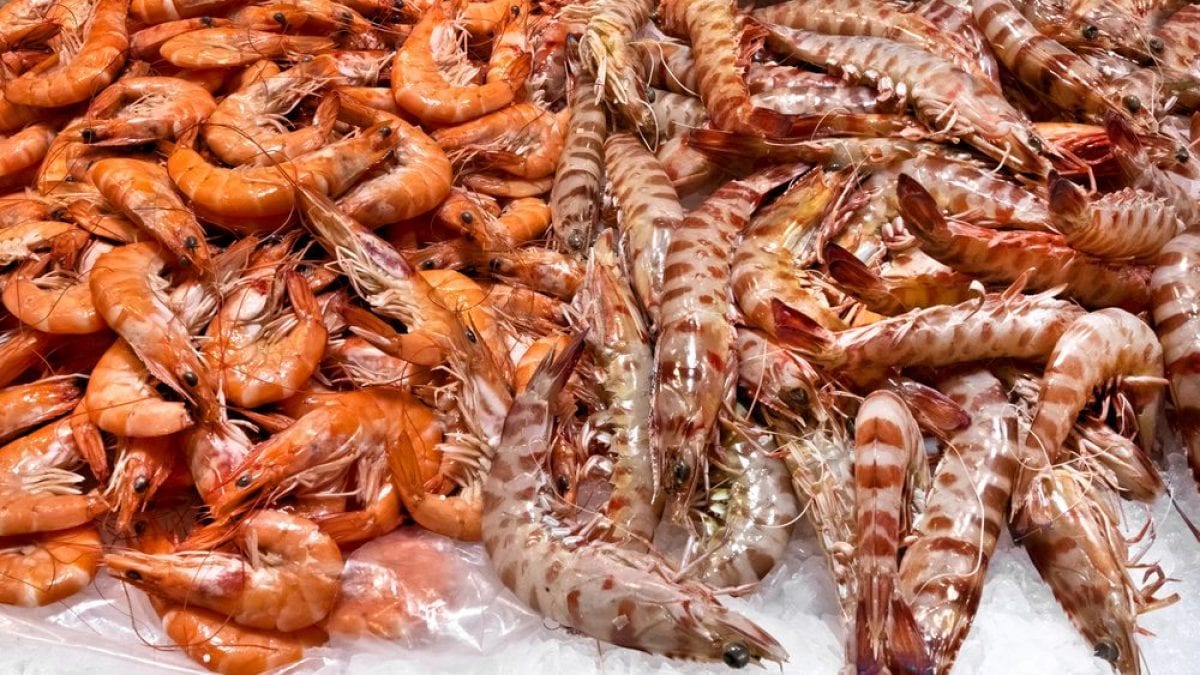
They enter the kitchen with a light step, but leave a profound impression. Shrimp are among the most beloved protagonists of contemporary gastronomy: raw and shiny like marine jewels, pan-fried to flavor pasta, dipped in exotic sauces, or served cold in the great buffet classics. We all call them the same, with a single, reassuring and familiar word. But behind that name lies a small labyrinth.
How many species of shrimp are there really? And most importantly, which ones end up on our plates?
The short answer is surprising: there are hundreds of known shrimp species, but only a few dozen are actually commercially available, and the global market relies almost entirely on a handful of names. The rest is made up of local variations, ambiguous commercial names, and a certain confusion that continues to thrive between fish counters and frozen food aisles.
This article is a compass. Not to transform the reader into a marine biologist, but to understand what we're really buying, recognize the most widespread species, and navigate the American, tropical seas, and intensive farms.
From a scientific perspective, "shrimp" belong to various genera and families of decapod crustaceans. From a gastronomic standpoint, however, three major factors matter: origin, size, and flavor. And it is on these that the market is structured.
Despite the biological diversity, over 90% of shrimp sold worldwide comes from just a few species, mostly tropical and farmed. This makes the product accessible, but raises questions about sustainability, quality, and transparency.
Knowing which shrimp we're eating isn't just a whim of experts: it's a way to choose better, cook more consciously, and truly appreciate the differences the sea has to offer.
American and Mediterranean Shrimps
American and Mediterranean shrimp are a fundamental part of the American culinary tradition. Among the most prized varieties are the delicate and fragrant pink shrimp, the meaty and sweet white shrimp, and the prized red shrimp, a symbol of the Mediterranean's deep-sea fishing. These shrimp are perfect for dishes that showcase their fresh and refined flavor, such as risotto, pasta, and raw preparations like carpaccio. Their flesh is delicate and flavorful, with a flavor reminiscent of the sea in every bite.
1. Pink Shrimp

The deep-water pink shrimp (Parapenaeus longirostris) is one of the most popular culinary species, especially in the U.S.. It is found primarily on the seabed of the Mediterranean and eastern Atlantic. It is small in size and has delicate, slightly sweet flesh. Its flavor makes it ideal for dishes like risotto and pasta, where it can take center stage without overpowering the other ingredients. Its versatility also makes it perfect for raw preparations, such as tartare, carpaccio, or salads.
2. White Shrimp

Larger than the pink shrimp, the white shrimp (Penaeus kerathurus) is meaty and firm. Its clean, delicate flavor makes it perfect for quick cooking, such as pan-fried or grilled. It's the ideal shrimp for enhancing the flavor of the sea in dishes where the crustacean should be the centerpiece, such as rice or pasta dishes, or even in a simple steamed dish.
3. Brown Shrimp

The brown shrimp (Farfantepenaeus aztecus) is one of the most popular shrimp species in the United States, particularly along the Gulf of Mexico and the Southeast U.S. This medium-sized shrimp has a slightly firmer texture and a mildly sweet, briny flavor. Its taste makes it a perfect fit for a variety of dishes, from shrimp po'boys and gumbo to grilled or sautéed preparations. The brown shrimp’s robust flavor allows it to stand out in hearty dishes without overwhelming the other ingredients. It’s also highly versatile and can be used in shrimp cocktails, pasta dishes, or shrimp scampi, making it a go-to choice for both home cooks and professional chefs.
4. Red Shrimp

The red shrimp (Aristeus antennatus), known for its intense red color, is one of the most prized shrimp in the Mediterranean, and also in the gulf of Mexico. Its flesh is succulent, rich in iodine, and has a strong flavor reminiscent of the deep sea. This shrimp is perfect for more sophisticated dishes, such as gourmet risottos, or served raw, perhaps accompanied by light sauces or flavored oils.
Tropical Shrimps
Tropical shrimp, such as the giant tiger shrimp (Penaeus monodon) and the Pacific white shrimp (Litopenaeus vannamei), are now the most common in global markets, thanks to their year-round availability. Farmed primarily in Asia and Latin America, these shrimp are known for their generous size and firm flesh. The tiger shrimp, with its distinctive striped color, is ideal for grilling and dishes requiring high-heat cooking, while the Pacific white shrimp is extremely versatile, often sold frozen and peeled, suitable for quick dishes or pan-fried. Although less flavorful than local shrimp, their abundance and competitive price make them a popular choice for consumers around the world.
1. Giant Tiger Shrimp

The tiger shrimp (Penaeus monodon) is a large crustacean with a distinctive striped color. Its flesh is firm and consistent, perfect for grilling or pan-frying, where it withstands high temperatures well without losing its firmness. This shrimp is ideal for showy dishes, such as skewers, where its striking appearance adds a touch of class.
2. Pacific White Shrimp

The white shrimp (Litopenaeus vannamei) is probably the most common shrimp globally, thanks to its year-round availability. Small or medium-sized, it has firm flesh but no particularly intense flavor. It is very versatile and is often sold frozen and peeled, perfect for quick preparations such as stir-frying or frying. Although it doesn't have a complex flavor, its affordability and ease of availability make it a popular option in cuisines around the world.
3. Indian Shrimp

The Indian shrimp (Fenneropenaeus indicus) is less well-known but widely produced in Asia and the eastern coast of Africa. It has a delicate, neutral flavor, perfect for dishes requiring a more subtle base. It is often processed industrially for the production of ready-made and preserved dishes, such as pre-cooked shrimp for soups or salads.
Cold Water Shrimps
Northern shrimp, such as Pandalus borealis, hail from the cold North Atlantic seas and are known for their delicate sweetness. These shrimp are often pre-cooked on board ships, then sold ready-to-use around the world. Their tender, succulent flesh makes them perfect for use in shrimp cocktails, fresh salads, or as appetizers, requiring no further cooking. Their quality and convenience, combined with their delicate flavor, make them an ideal choice for quick, refined dishes.
Northern Shrimp

Northern shrimp (Pandalus borealis) are typical of the cold seas of the North Atlantic. Their delicate, sweet flavor makes them perfect for serving in light dishes, such as shrimp cocktails, fresh salads, or appetizers. These shrimp are typically cooked on board ships and sold ready-to-use. Their tender flesh makes them ideal for dishes that don't require long cooking.
When Shrimps Aren't Actually Shrimp
Not all species labeled as shrimp in cooking are actually shrimp. Some crustaceans are confused with shrimp due to their similar size and shape.
- Prawn (Penaeus). The prawn is a variety of Penaeus, a shrimp that can grow to considerable size and has very meaty flesh. It is often used in elaborate preparations and refined dishes, but it is not exactly the same species as traditional shrimp.
- Norway lobster (Nephrops norvegicus). Norway lobster, also known as lobster tail, is a relative of the lobster, but is not a shrimp. Although similar in shape, Norway lobster has softer, sweeter flesh and is often confused with shrimp, especially in dishes like risotto or grilled meat.
;Resize,width=767;)
