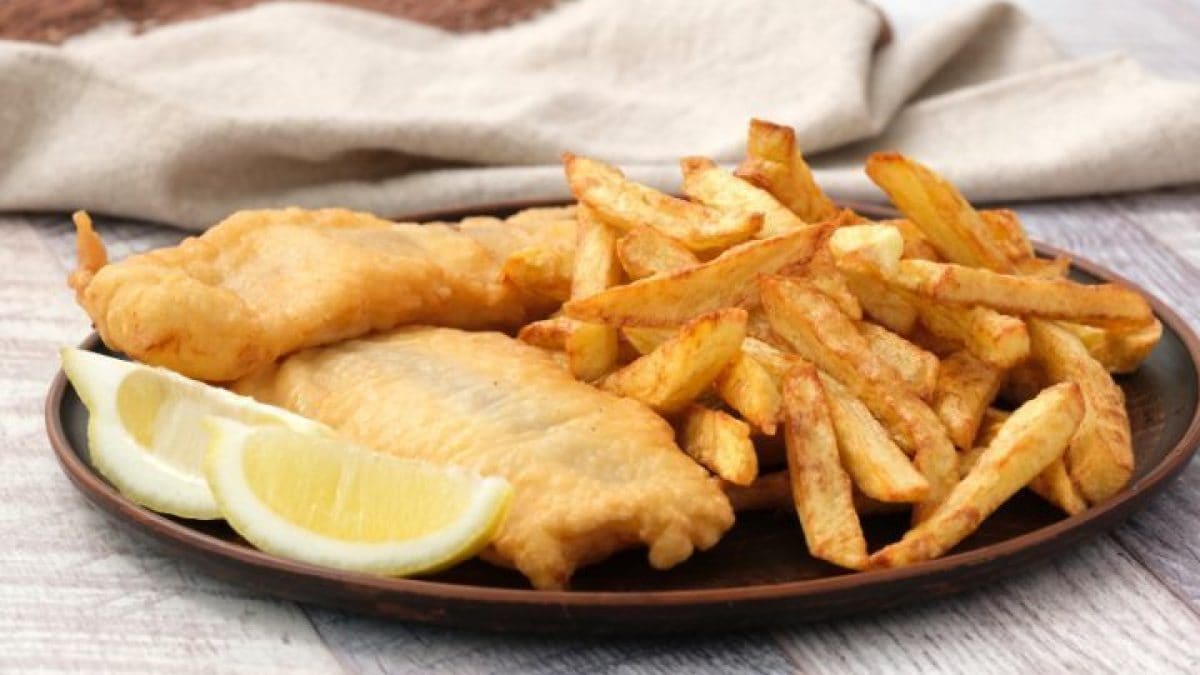
There is an art to a truly magnificent piece of fried fish. When you order it at a high-end seafood shack or a traditional British pub, it arrives at your table looking like a work of sculptural genius: puffed, deeply golden, and boasting a crust so shatteringly crisp that you can hear the crunch from across the table. Beneath that shell, the fish inside remains steaming, flaky, and perfectly succulent. Then, you try to recreate that magic in your own kitchen.
You pat the fillets dry, season them generously, dip them in a standard flour dredge, and drop them into hot oil. The result? A coating that looks beautiful for about ninety seconds before it absorbs structural moisture, deflates, and transforms into a sad, soggy, leathery jacket. It turns out that the difference between a home-cooked failure and a restaurant-grade masterpiece comes down to a fundamental misunderstanding of flour chemistry. To bridge the gap, you only need to invite one everyday baking staple to the party: cornstarch.
The Food Science of the Perfect Crunch
Swapping out a portion of your everyday all-purpose flour for cornstarch is the ultimate chef's secret weapon for any fried food, but it is particularly vital for delicate seafood. It all comes down to controlling a structural protein you are likely familiar with: gluten. When all-purpose flour comes into contact with liquids (like water, milk, beer, or the natural juices migrating out of a fish fillet), it develops gluten networks. While gluten is fantastic for giving a loaf of sourdough its chewy, elastic bite, it is the absolute enemy of a crispy fry. Those gluten webs trap moisture inside the batter. As the fried fish sits on your plate and cools, that trapped steam moves outward, instantly softening the crust from the inside out.

Cornstarch, on the other hand, is a pure starch derived entirely from corn, meaning it is 100% gluten-free. It absorbs ambient moisture aggressively but refuses to form those elastic, moisture-trapping bonds. When submerged in hot frying oil, cornstarch dries out into a rigid, brittle, micro-thin lattice that locks out grease and prevents the crust from collapsing under its own steam.
How to Apply the "Golden Ratio" to Your Kitchen Dredge
You don't need to completely abandon all-purpose flour to reap the benefits of this technique. In fact, a pure cornstarch coating can sometimes turn out a bit too hard and glass-like. The sweet spot lies in a hybrid blend. For the ultimate restaurant-style texture, follow a simple two-to-one ratio. For every cup of all-purpose flour you measure out into your dredging dish, whisk in a half-cup of cornstarch. Season the dry mixture precisely as you normally would with your favorite seafood spices, garlic powder, and sea salt.
If you prefer a wet, pub-style beer batter over a dry cornmeal-style crust, the rule remains exactly the same. Whisk the cornstarch into the dry flour base before pouring in your cold, carbonated liquid. The cornstarch will ensure that the batter fries up incredibly light, airy, and dramatically puffy, while maintaining its crunch long enough for you to finish your meal.

Two Bonus Rules for Fryer Perfection
While cornstarch does the heavy lifting structurally, it requires a proper environment to do its job effectively. To ensure absolute success, keep these two foundational rules in mind.
1. Banish the Paper Towels
When you lift your golden fillets out of the oil, never place them directly onto a flat plate lined with paper towels. The weight of the fish presses the hot bottom crust against the oil-soaked paper, trapping steam underneath and causing immediate sogginess. Instead, rest the fried fish on a wire cooling rack set over a baking sheet so air can circulate completely around the meat.
2. Watch the Thermometer
Cornstarch crisps up best when the oil stays consistently between 350°F and 375°F. If the oil drops below that window because you crowded too many pieces into the pan at once, the batter will act like a sponge and absorb excess fat, overriding the structural benefits of the starch.
;Resize,width=767;)
