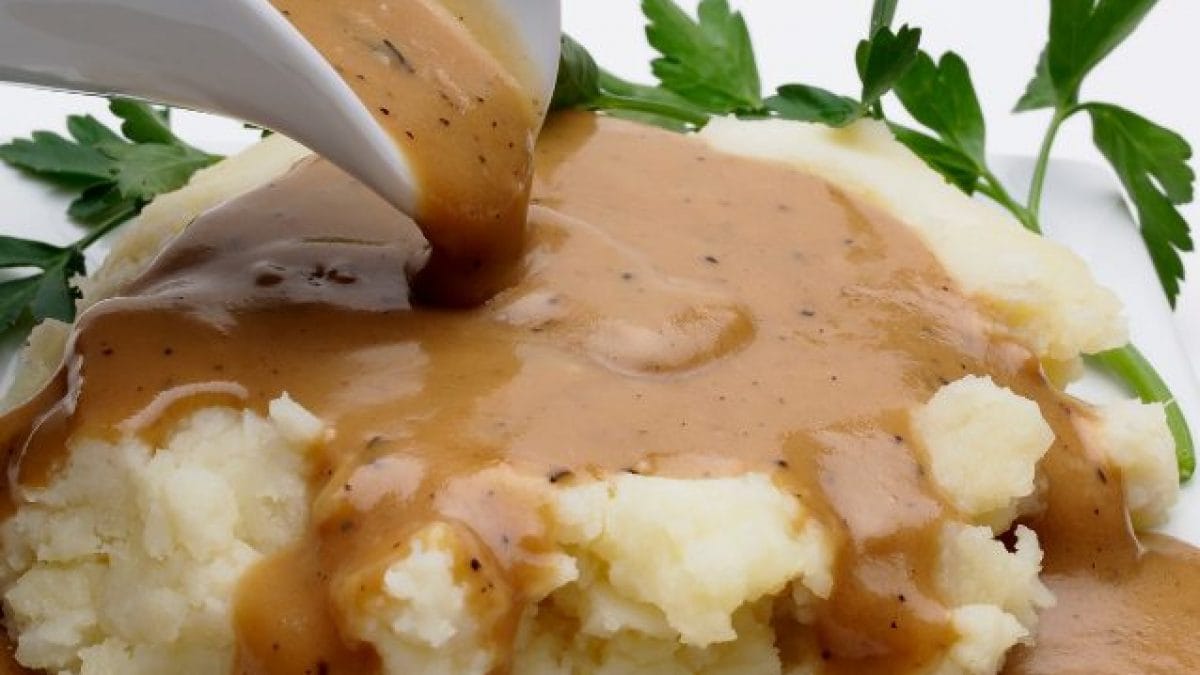
Even when you follow a classic recipe, homemade turkey gravy can easily fall flat. Pan drippings, flour, and stock often produce a sauce that feels heavy, tastes slightly bland, or looks unappetizingly pale. While most cooks instinctively reach for the salt shaker to fix a boring gravy, salt only enhances what is already there; it does not add the complex, savory depth that makes a pan sauce truly memorable. To immediately elevate a standard gravy from flat to restaurant-quality, you only need one unexpected ingredient from your pantry.
The Secret Ingredient is Soy Sauce
Adding soy sauce to a traditional, American-style turkey gravy might sound like a recipe for a fusion dish, but the end result does not taste remotely like takeout. Chefs and food science experts rely on soy sauce as an "umami bomb." Because it is fermented, soy sauce is packed with glutamates (the amino acids responsible for creating a deep, savory, mouth-watering flavor). When stirred into a meat-based gravy, it acts as a powerful flavor multiplier.
The umami in soy sauce bridges the gap between the mild turkey stock and the roasted pan drippings, giving the gravy a distinct, hearty "meatiness" that regular salt simply cannot replicate. Gravy made from store-bought stock and turkey drippings often turns out a dull, milky beige. A splash of dark soy sauce instantly corrects the color, turning pale sauces into a rich, appetizing, deep mahogany brown.
If you are making a mushroom-based or vegetable broth gravy for non-meat eaters, soy sauce is absolutely essential. It replaces the missing savory depth of roasted animal fats, ensuring the vegan gravy tastes just as robust as the traditional version.

How and When to Add It
Treat soy sauce as a finishing touch, not a base ingredient. Make your gravy exactly as you normally would—whisking flour into the separated turkey fat (or butter), and slowly whisking in your stock and pan drippings until it reaches a simmer. Do not add any kosher salt to your gravy while it cooks. Soy sauce is highly concentrated with sodium; if you salt the gravy first, adding the soy sauce will make it inedible. Once the gravy has reached your desired thickness, turn off the heat. Stir in one to two teaspoons of soy sauce. Taste it immediately. The gravy should taste deeply savory and robust, not distinctively like soy sauce. If it needs more salt, add it now.
The Bonus Trick? A Splash of Acid
If your gravy tastes rich and savory but still feels incredibly heavy on the palate, it is lacking balance. Fat coats the tongue, and gravy is effectively a liquid suspension of poultry fat and butter. To cut through that richness and make the flavors pop, finish the gravy with a tiny splash of acid just before serving. Stir in one teaspoon of apple cider vinegar, red wine vinegar, or fresh lemon juice. The acid will not make the gravy sour; it will brighten the heavy fats and bring all the savory flavors into perfect focus.

