If we close our eyes and think of chocolate, we inevitably imagine a crunchy bar, a steaming cup on a winter afternoon, or a delicious spread. This is because, for most people, it represents the quintessential sweetness and comfort food. Its true nature, however, is much more complex, surprising, and… savory. Both in the U.S. and abroad, chocolate (especially dark chocolate) is used to add bitter and tart notes to dishes: an unexpected ally capable of enriching appetizers and main dishes, making even the most skeptical palates reconsider.
The Difference Between Cocoa and Chocolate
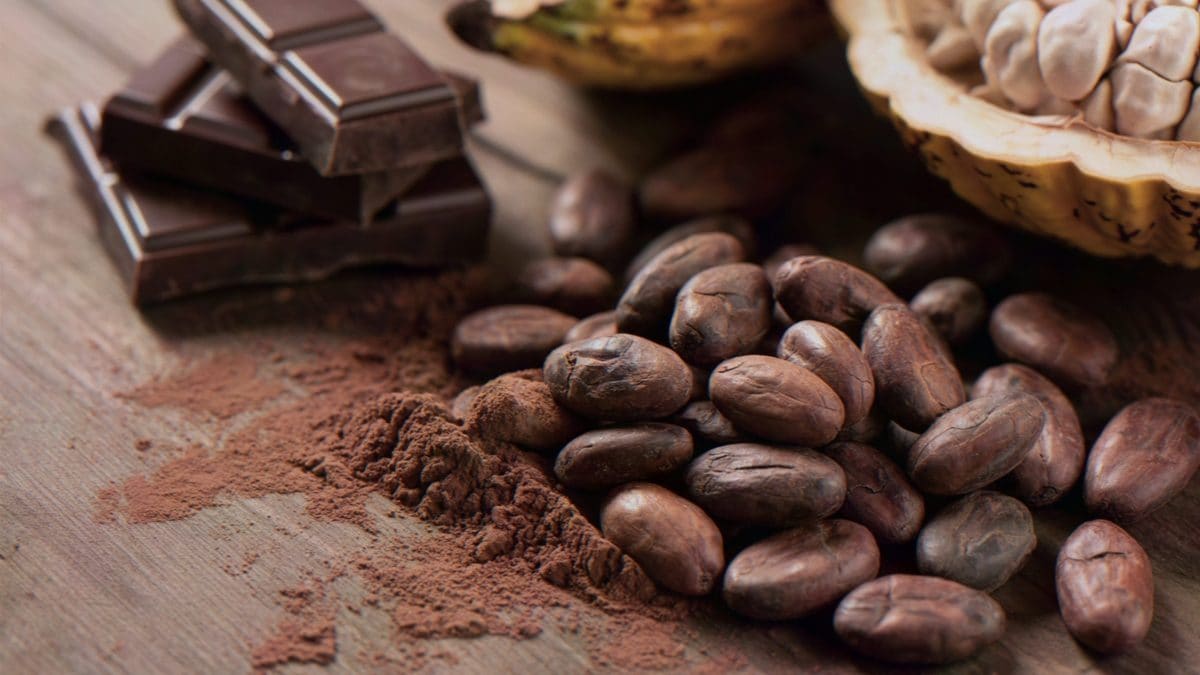
Before exploring these unique recipes, it's important to clarify a fundamental issue. Chocolate is the end product of processing cocoa, which is the pure raw material. Achieving this final result requires several processes, including fermentation, drying, roasting, and grinding of the beans. Once these steps are completed, the resulting mass is mixed with sugar (and milk for some variations), then conched and tempered, the thermal shock that allows the fats to crystallize properly.
The Weirdest Savory Chocolate Pairings in the World
The importation of cocoa from the New World, which occurred centuries ago, opened the door to endless culinary experimentation. Even today, dark chocolate plays a starring role in many traditional and contemporary recipes. Chef Antonino Cannavacciuolo's iconic dish—made with Jerusalem artichokes, gorgonzola, and cocoa beans—is just the most recent example. Already during the Risorgimento, one of the most coveted dishes on noble tables was game (primarily hare or wild boar), paired with a chocolate sauce. These are the "dolceforte" dishes, specialties still prepared in Tuscany and historically highly prized at the Medici court.
Across Italy, chocolate is present in the most unexpected ways. In Sicily, ‘mpannatigghi‘ are extremely famous, pastries characterized by a perfectly balanced flavor, thanks to the bold flavor of beef and spices that pairs perfectly with the sweetness of cocoa and almonds. Traveling the length of Italy, we find chocolate-filled eggplant, a typical dessert of the Amalfi Coast that, according to legend, was popularized in ancient times by the Sisters of Santa Maria della Misericordia.

Staying in the South, chocolate is sometimes used in ragù as well. This isn't an "official" recipe, but simply a home trick: a small square of dark chocolate served to balance the acidity of the tomato and give body to the sauce. Today, chefs and food enthusiasts also use it, without compromising the classic nature of the recipe. Here, the chocolate is added at the end of cooking to melt slowly and blend with the ragù, without adding sweetness.
Arriving in the capital, we discover that bitter cocoa is used in coda alla vaccinara: although it may seem risky, it's an extra touch that makes the recipe enveloping and particularly inviting. It's impossible not to mention sweet sanguinaccio, which until the 1990s was prepared with cocoa along with pig's blood and giblets; today, blood is prohibited for health reasons, and sanguinaccio has been transformed into a rich, velvety spiced chocolate cream.
Delving into each culinary tradition in detail would be prohibitive, but there are countless recipes around the world that call for chocolate or cocoa. One of the most famous examples is mole poblano, a Mexican specialty typical of the city of Puebla. It's a main dish with a slightly sweet aftertaste, prepared with browned chicken thighs dipped in a sauce rich in ingredients, including fresh fruit, raisins, cinnamon, and dark chocolate. It's usually served with rice and tortillas, and local stories say that this dish, in pre-Columbian times, was prepared as an offering to the gods.

Staying in the Americas, a unique chocolate pairing comes directly from Colombian cuisine. Chocolate santarfereño is a drink typical of the cold Andean regions, made by dissolving chocolate bars flavored with cloves and cinnamon in milk or hot water. The specialty of this specialty is the addition, just before serving, of pieces of slightly salted cheese (queso campesino): this will melt to the bottom of the cup, creating a stringy texture to be enjoyed alongside the chocolate.
In Europe, chocolate is found in estofat de bou amb xocolat, a typical Catalan chocolate stew. In this winter comfort food, beef, bacon, and sausage are deglazed with viranci, a local wine, and dry sherry, then simmered for about two and a half hours with onion, garlic, and a bouquet of herbs. Toward the end of cooking, potatoes, cinnamon, and a touch of finely grated dark chocolate are added, enhancing the flavor of the meat and creating an unmissable contrast.
Most Recent Trends
While history is rich in classic combinations, recent decades have seen the birth of decidedly more pop-culture experiments, which have gone viral thanks to social media. The latest American trend, which has also ended up conquering Europe, is the bacon chocolate bar, a bar of chocolate, either dark or milk, enriched with pieces of crispy bacon. The contrast, they say on the other side of the pond, creates an unforgettable harmony for the palate. Although its origins are unknown, most write that it originated at country fairs, later becoming the focus of various cooking shows.
Another culinary "provocation" comes straight from 1990s Scotland: the deep-fried Mars. It's the classic chocolate and caramel bar, dipped in batter and fried in boiling oil until crispy on the outside and meltingly soft on the inside. It's now part of Edinburgh's gastronomic tradition and can be sampled practically anywhere while strolling along the Royal Mile. The experience is based on a unique sensory short circuit: the salty and sweet contrast is so intense that, inevitably, it turns tasting it into a challenge for the brave.
;Resize,width=767;)
