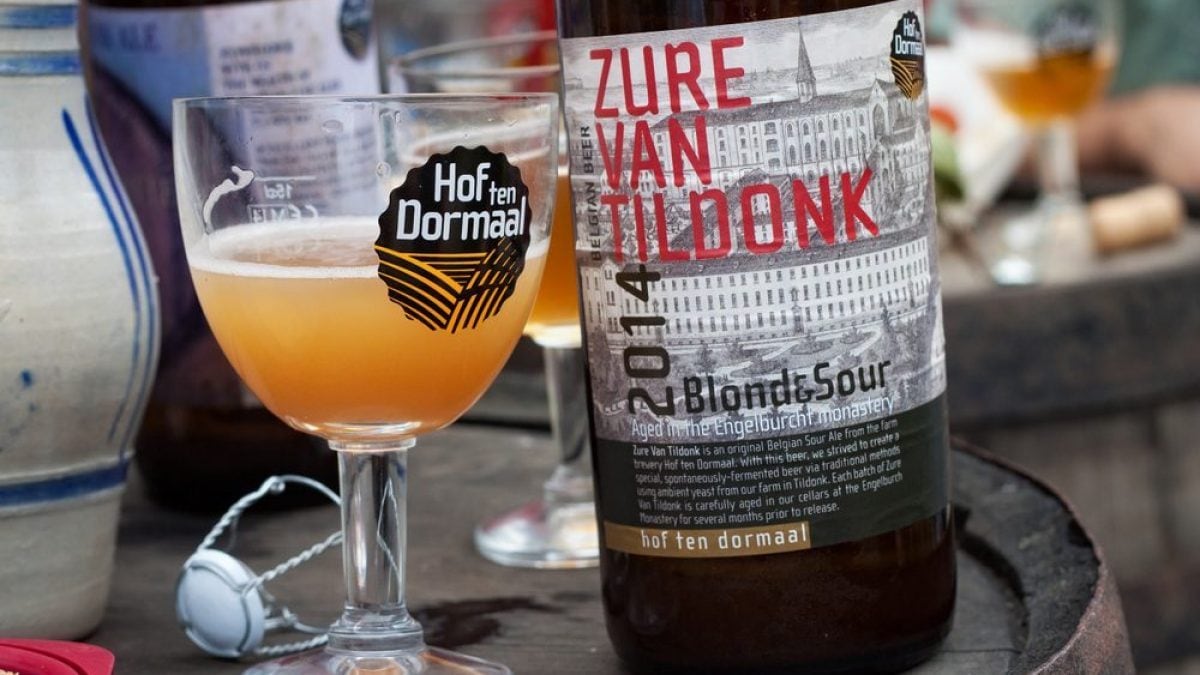
Have you ever noticed, during an evening in a tap room or a pub, a beer with a pungent, unconventional flavor? It could be a sour beer: a style that, once a niche product, is increasingly gaining popularity among enthusiasts and craft breweries, even in the U.S..
But why are they so popular? Sour beers are characterized by a unique, often surprising flavor profile, with a distinct and bold acidity. There's more to sour beer than just one: it's a family of styles sharing unique fermentation techniques and a flavor that breaks the mold. Let's discover the most famous sour beers and how to pair them to enhance their characteristics.
Belgium is the homeland of sour beers: iconic styles like Lambic, Flanders Ale, Oud Bruin (or Flanders Brown Ale), and Gueuze are born here. Let's take a closer look.
1. Lambic
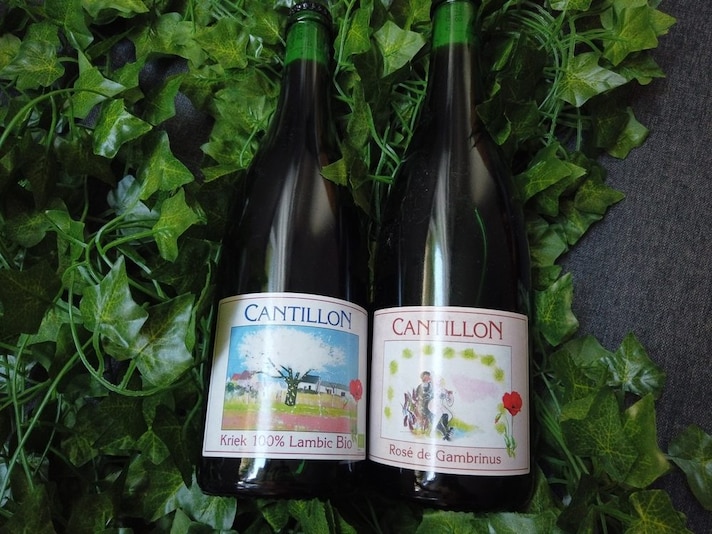
Without a doubt, Lambic is among the most unique beer styles in the world: it is produced in a specific area of Belgium, called Pajottenland, which includes the city of Brussels and its surroundings. It is a geographical designation, just like Champagne.
This style of beer involves spontaneous fermentation, that is, fermentation without the addition of a specific strain of bacteria or yeast: this occurs thanks to microorganisms naturally present in the environment, which infect the wort.
The result? A complex and unmistakable aromatic profile, with notes reminiscent of aged cheese, barnyard, citrus, and ripe fruit. Traditional Lambics are served uncarbonated, meaning without bubbles.
2. Gueuze
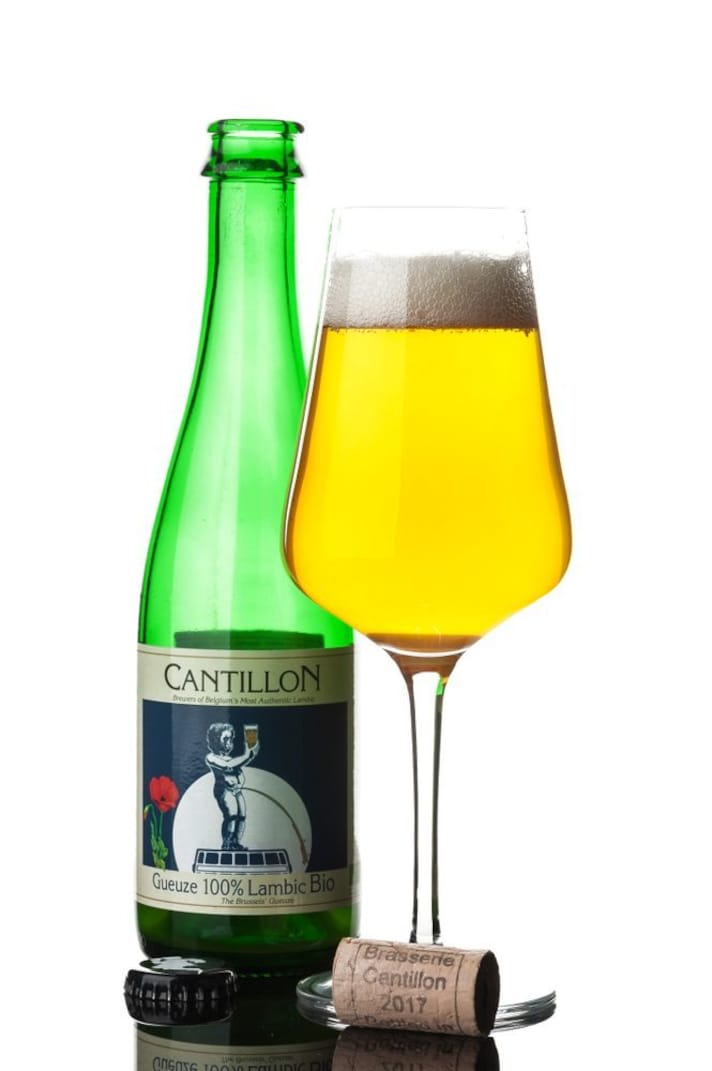
Gueuze beers are born from the blending of young and old Lambics: very particular beers, characterized by aromas and flavors that are decidedly outside the standards that less experienced consumers are used to.
The profile of these beers is highly variable: you might taste one with a light acidity, reminiscent of yogurt, or another with a more marked tartness, with notes of tropical fruit and strong hints of oak.
Gueuze beers are re-fermented in the bottle and are therefore characterized by a more intense carbonation than normal Lambics.
3. Fruit Lambic
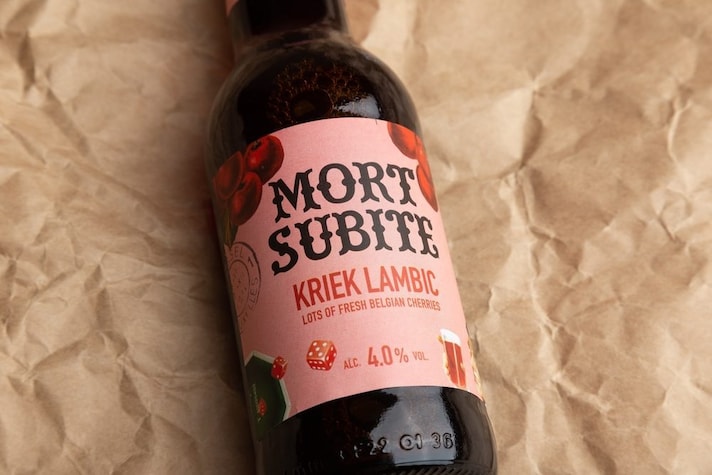
This is a variation on the relatively modern classic Lambic style, in which various types of fruit can be added, typically mid-ripening: the most commonly used are raspberry (Framboise), cherry (Kriek) and muscat grape (Druivenlambik).
Fruit adds sweetness and intense aromas, making these beers more accessible and versatile.
4. Flanders Red Ale
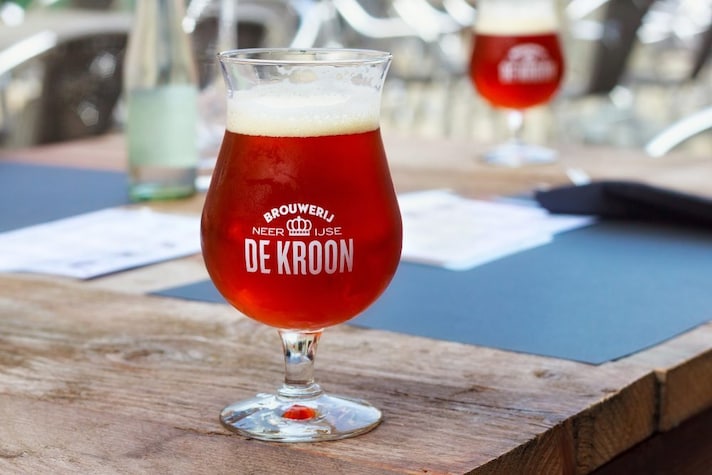
While it is true that Lambic is the quintessential sour style, it should be noted that there are other traditional styles characterized by sourness: Flanders Red Ale is one of these styles.
Flanders Red Ale is a beer originating from West Flanders, characterized by mixed fermentation with yeasts and lactic acid bacteria, which gives it a tart, pungent, and complex profile. This beer is typically aged for a long time, often up to two years, in large oak barrels.
The result is a rich and sophisticated aromatic profile, combining fruity notes of plums, black cherries, and red currants with subtle nuances of vanilla and chocolate, while hop bitterness is generally low or almost absent. Acidity can range from moderate to intense, contributing to a dry sensation similar to that of an aged red wine.
To the eye, Flanders Red Ale presents a color that varies from deep red to reddish brown.
5. Oud Bruin (Flanders Brown Ale)
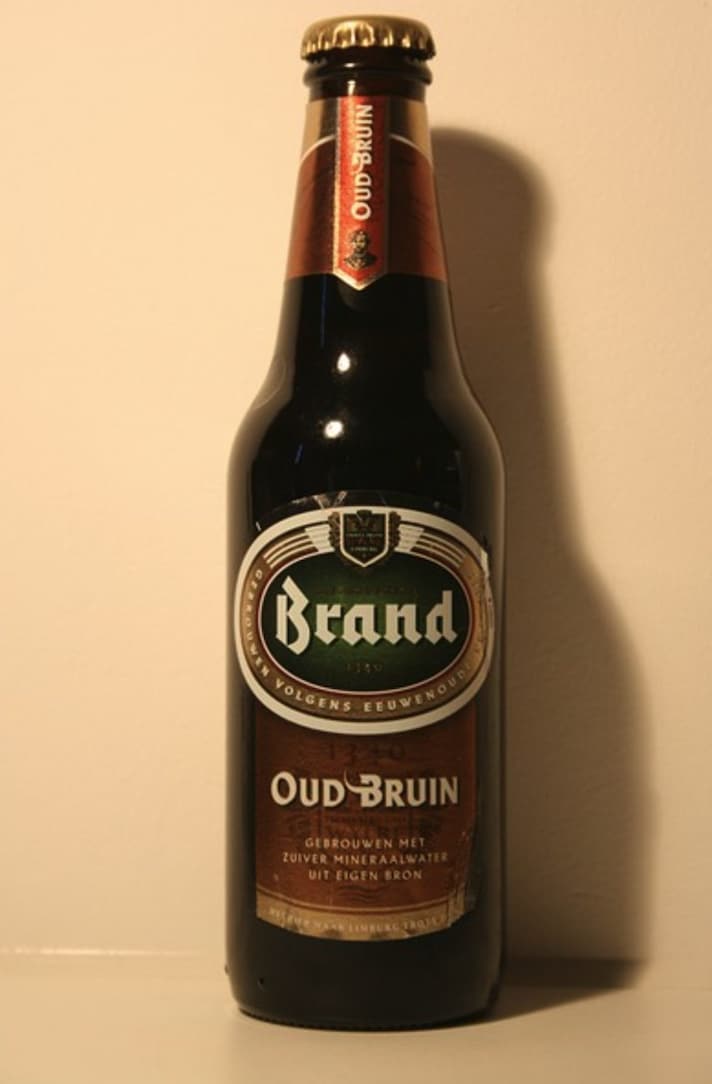
Oud Bruin (or Flanders Brown Ales) is a traditional East Flanders style, characterized by mixed fermentation with yeasts and lactic acid bacteria. Traditionally aged in wooden barrels, now often in stainless steel, these beers have a malty, sweet profile with less pungent acidity than Flanders Red Ales. The malts used impart toasted notes of caramel, chocolate, and dried fruit, while the color ranges from reddish brown to dark mahogany. Oud Bruin offers a balance of sweetness and acidity, with a smooth, slightly bittersweet finish.
How to Pair Sour Beers
Let's now see how to bring these beers to the table: we suggest pairings that exploit their aromatic complexity and acidity to create contrasts capable of enhancing the flavors of the food, offering harmonious and intriguing tasting experiences.
What to Enjoy a Lambic With
A traditional Lambic, thanks to its acidity, pairs well with fatty, flavorful dishes: try it with game, foie gras, spicy sausages, smoked meats, and blue cheeses like Roquefort or Bleu de Brugnolo. It can also be fun to try with seafood like oysters, clams, and raw fish, as it enhances the freshness of the dish.
On the other hand, a Fruit Lambic (Kriek, Framboise, Druivenlambik), characterized by greater sweetness and mild acidity, is ideal for cream- or chocolate-based desserts such as cheesecake, panna cotta and dark chocolate cakes.
Gueuzes, more complex and crisp beers with pronounced acidity, are perfect with seafood (mussels, oysters), fish dishes, cured meats, terrines, meat pâtés, and cheeses, both fresh and goat. In Belgium, they're a classic with fries.
Flanders Red Ale at The Table
Flanders Red Ale is characterized by balanced acidity and fruity notes of plums, black cherries, and currants, making it perfect with sweet and sour dishes such as pork in plum or cherry sauce, mature cheeses, salads with dried fruit, and desserts based on red fruit or dark chocolate.
What to Pair With an Oud Bruin
Oud Bruin (or Flanders Brown Ale), with its maltier, sweeter profile and softer acidity, pairs well with savory and sweet-and-sour dishes, such as roasts with rich sauces, spicy sausages, braised meats, mushrooms, and creamy cheeses. It's also excellent with creamy desserts and chocolate treats, where the balance of malty sweetness and delicate acidity creates a harmonious tasting experience.
;Resize,width=767;)
