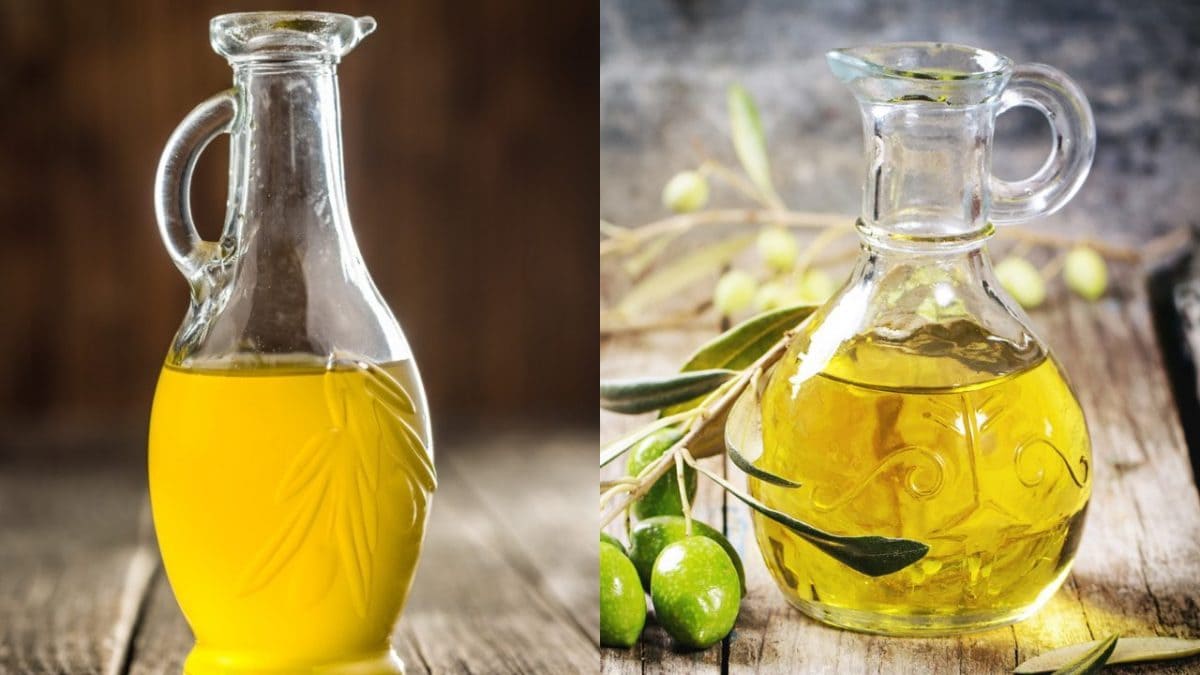
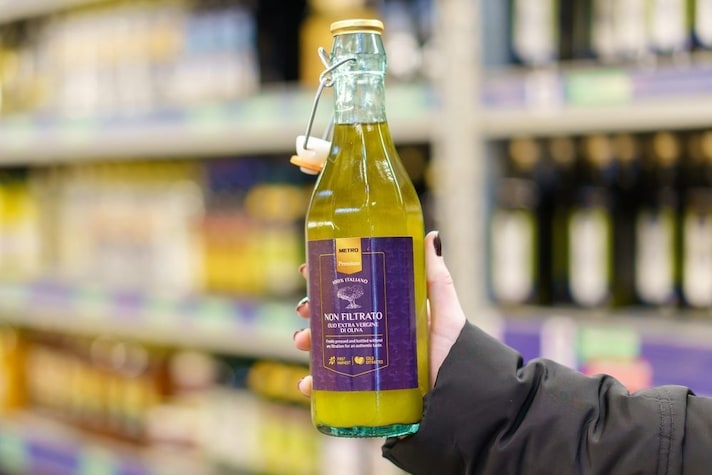
When choosing an extra virgin olive oil—most often at the supermarket—among the many labels on the bottle, you might come across the word "unfiltered." This information often conveys a more authentic image of the product, suggesting greater authenticity. It should be noted right away that, in reality, the distinction between a raw oil (as it is also called) and a filtered oil is not based on quality, with the former being superior and the latter inferior. Rather, they are two different production approaches that lead to unique characteristics, both visually and organoleptically, as well as in terms of shelf life and use. Let's look at the main differences.
1. Production
The difference between filtered and unfiltered oil lies in the final processing stage. This means that both come from olives —oil cultivars—that are cold-pressed. After this mechanical extraction, the juice may or may not be filtered. When this occurs, solid microparticles of pulp or peel, as well as the vegetation water of the freshly produced oil, are removed from the liquid through special filters. Raw oil, precisely because it contains these residues, has skipped this step and is bottled immediately after pressing.
2. Appearance
The first noticeable difference is the appearance. Filtered oil is clear and transparent, with a color that can range from parsley green to golden yellow depending on the variety and degree of ripeness of the olives. Raw oil, on the other hand, is cloudy and opaque, with a yellowish-green hue that varies depending on the amount of sediment present. Over time, these sediments tend to settle to the bottom of the bottle, forming a thicker film.
3. Flavor and Aroma
In terms of nutritional values, there are no substantial changes between the two types. What differs are the organoleptic properties, with unfiltered oil enhancing the flavor and aroma of the mill, with much more pronounced vegetal notes, especially close to its production. Filtered oil, on the other hand, is less intense and more delicate, sweeter or "spicier" depending on the raw material from which it is obtained. Flavors and aromas are generally more stable and balanced over the long term, because residues, on the other hand, continue to interact with the oily composition, developing, for example, bitter or rancid nuances, which become a potential defect.
4. Shelf Life
Through filtration, we've seen that the organic particles that remain in the raw oil and ferment are eliminated. These include solids and water, which are susceptible to the growth of mold, yeast, and bacteria. This is why, by law, unfiltered oil can be kept intact for up to three months, while filtered oil has a longer shelf life, lasting up to 18 months. Proper purification after pressing the olives, in fact, allows the product to have an excellent shelf life.
5. Uses in Cooking
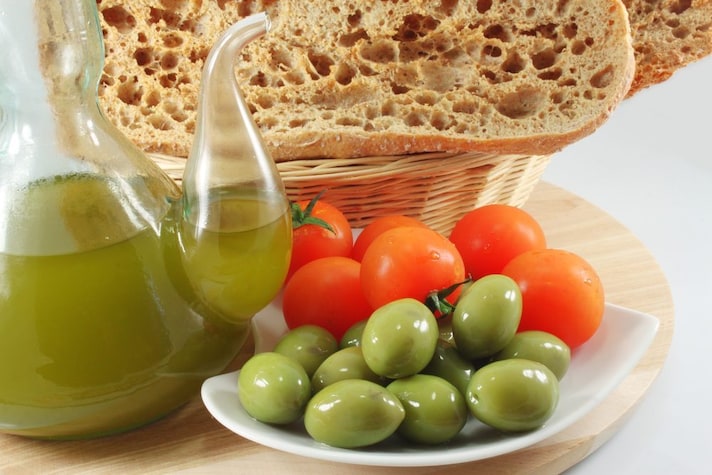
At this point, let's discover how the characteristics just described also reflect on its use in the kitchen. Raw oil, with its strong flavor and aromatic profile, is very effective raw, to enhance simple and rustic dishes: make room for bruschetta, soups, legume salads and grilled vegetables. Filtered oil, on the other hand, is more versatile: you can use it both as a final dressing on the most diverse dishes, from fish to meat, or as an ingredient in pesto (and its many variations), and in cooking, because it has greater resistance to oxidation and better thermal stability, used for everyday cooking, to make sauces and gravies and for frying.
;Resize,width=767;)
