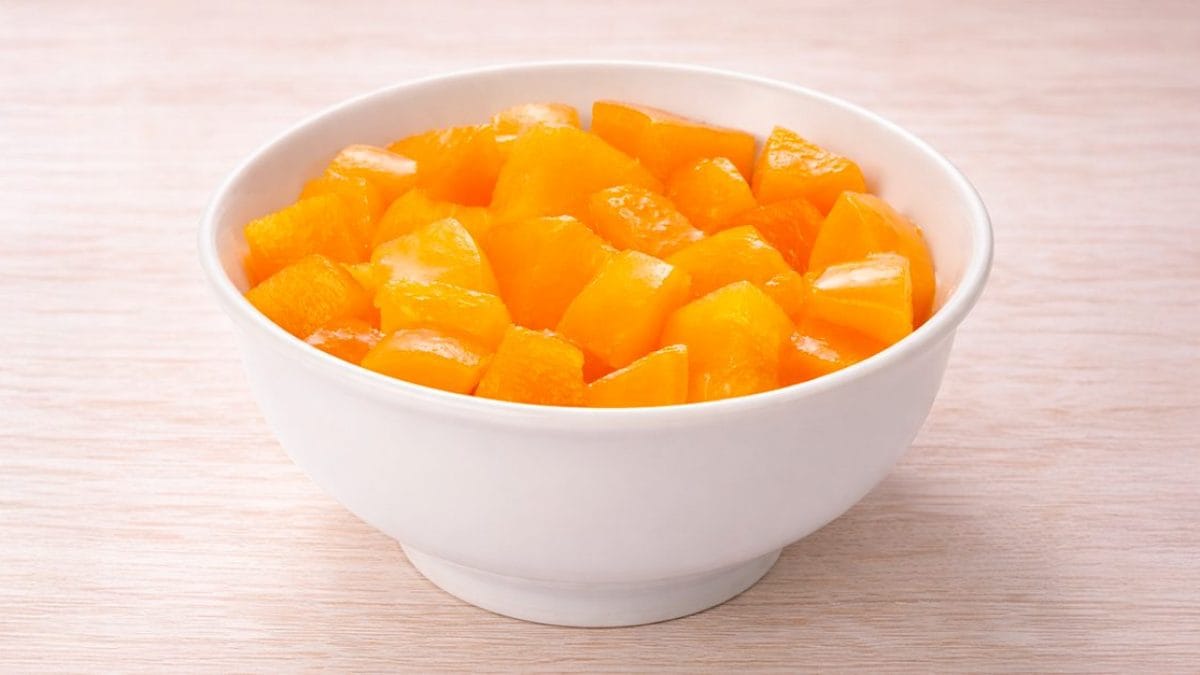
Juicy, colorful, and fragrant, apricots are a symbol of summer. Besides delighting the palate, they offer a long list of health benefits thanks to their rich content of vitamins, antioxidants, and fiber. Let's see why eating them is so good for you: here are all the benefits and possible side effects of apricots.
Apricots' Properties
Apricots are a symbol of summer on the table, with their beautiful orange color reminiscent of the sun in June, July, and August, the months when they are the stars of greengrocers and supermarkets. Besides being sweet, juicy, and versatile, apricots offer countless benefits for our health, proven over the years by numerous studies that extol their qualities. We all know the fruit we're talking about: the Prunus armeniaca, or apricot, belonging to the Rosaceae family (like cherries, peaches, plums, and almonds). It has been known since ancient times and has many varieties.
Why are apricots not only delicious, but also good for you? They're rich in vitamin C, antioxidants, fiber, and minerals; they're low in calories and composed mostly of water. It's best to consume it fresh—a 150-gram portion, 2 or 3 times a day, according to the guidelines established by nutrition foundations—to fully exploit all its benefits. Let's explore the main ones.

1. They Are Good For Your Eyesight and Skin
The high beta-carotene and vitamin A content of apricots makes them excellent allies for skin and eye health. Beta-carotene, in fact, is a precursor to retinol, which fights skin aging by helping it remain elastic. Furthermore, thanks to these two substances, the fruit contributes to eyesight, improving vision in dim light, as it is useful for the production of rhodopsin, a protein present in the retina that allows us to see in low-light conditions.
2. They Promote Sleep
Apricots are among the fruits that help you sleep well, fighting insomnia. This is because they contain magnesium and, in particular, potassium (480 mg in 150 g, according to CREA tables), micronutrients that positively influence the quality of sleep and promote muscle relaxation, as well as tryptophan, an amino acid that stimulates the production of melatonin.
3. They Have an Antioxidant Effect
Apricots contain several antioxidant compounds: in addition to the aforementioned beta-carotene, they also contain vitamin C (ascorbic acid, 20 mg per 150 g) and polyphenols. These components support the body in fighting oxidative stress, the damaging action of free radicals, the main culprits in cell degenerative processes.

4. They Hydrate and Replenish Mineral Salts
During the summer, with the heat and sweating, it's easy to lose fluids, sugars, and mineral salts. Apricots, rich in water (86% of the total), natural sugars (14.7 g per 150 g), potassium, iron, calcium, and magnesium, are perfect for replenishing what's lost, helping to maintain hydration and regulate body temperature and blood pressure.
5. They Are Friends of Your Heart
According to several studies, thanks to the combination of potassium, fiber, and antioxidants (chlorogenic acid, beta-carotene, and lycopene), apricots protect the cardiovascular system. Potassium helps regulate blood pressure, while fiber, especially insoluble fiber, keeps LDL (bad) cholesterol levels under control. Antioxidants, for their part, reduce inflammation and improve blood vessel health.
6. They Fill You Up Lightly
With only 64 kcal per serving, apricots are perfect for those seeking a filling yet light snack. Fiber provides a feeling of fullness, curbing appetite and thus avoiding choosing foods high in sugar and fat. Furthermore, soluble fibers include pectin, which can positively influence intestinal transit, both in cases of diarrhea and constipation, promoting digestion.

Contraindications
Eating apricots is good for you, as is all fresh fruit (and vegetables), as they are a source of vitamins, minerals, and antioxidants that are important for our bodies. There are no real contraindications. However, it is important to be careful if you suffer from irritable bowel syndrome, as their consumption could lead to bloating and intestinal fermentation. If you have any doubts about this, consult your doctor, as everyone is different and the consequences may not be the same.
The properties of fresh apricots cannot be compared with those of dried apricots, which have been deprived of water and therefore have a higher concentration of sugars and calories, equal to 24.2 g and 107 kcal respectively for every 30 g, which is equivalent to one portion: in their defense, calcium and phosphorus also increase.

Finally, a note: in 2016 , the European Food Safety Authority (EFSA) shared an opinion highlighting the risks of consuming raw apricot seeds, which contain a naturally occurring compound called amygdalin, which, once ingested, can decompose into hydrocyanic acid (cyanide), a poison dangerous to humans. Commercially, they are sold under the name of apricot kernels, are almond-shaped, and are characterized by a typical bitter taste, prized in pastry making. Due to their potential danger when whole, consumption is not recommended (the safe limit is 370 mg for adults and 60 mg for young children), and for this reason, the (harmless) essence is used for flavoring purposes.
;Resize,width=767;)
