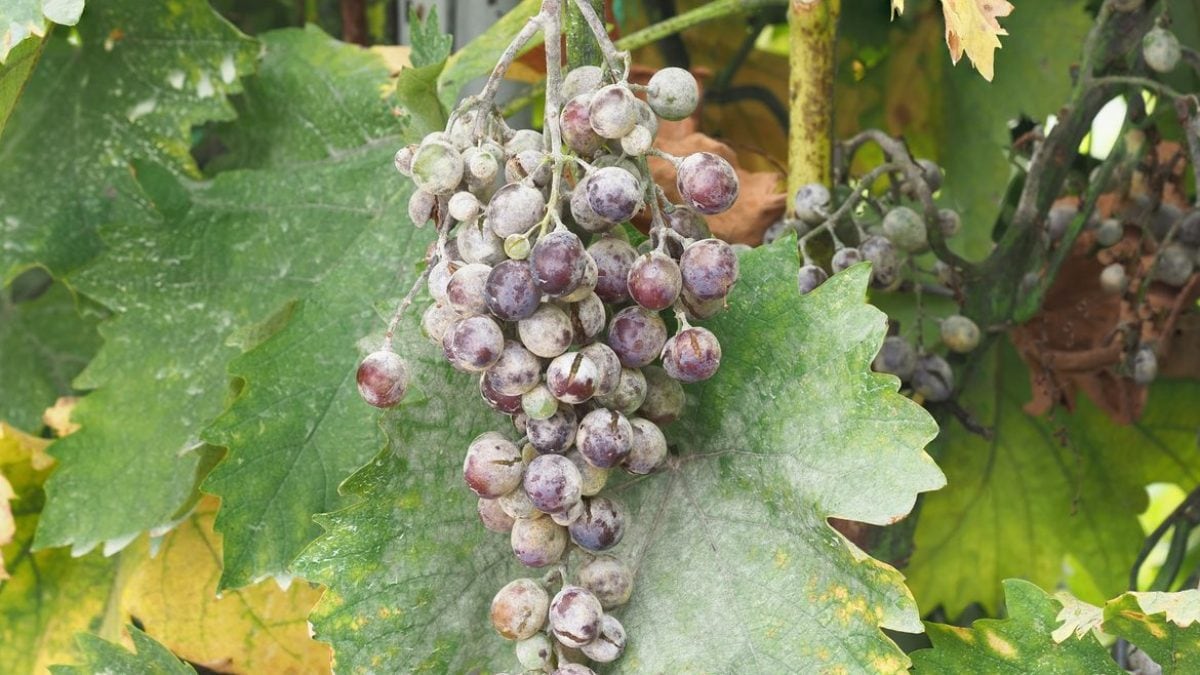
Noble rot wines are one of the new wine trends among wine enthusiasts, and rightly so. They are splendid sweet wines that derive their characteristics from a parasite that attacks grapes: Botrytis cinerea, a noble fungus that develops at an advanced stage of the fruit's ripening. Boiled wines tend to be of high quality, partly because this fungus thrives in specific climatic conditions and is capable of transforming grape sugars into glycerin and noble acids, concentrating them and giving the wine unique and prized characteristics.
How to Make "Moldy" Wine
They look like "rotten" vines attacked by mold, but it's a very rare form of noble rot that attacks late-harvest grapes, slightly wilted and dehydrated on the vine. The grapes are attacked by this particular strain of gray mold, which forms in unique conditions of alternating humidity, heat, and ventilation.
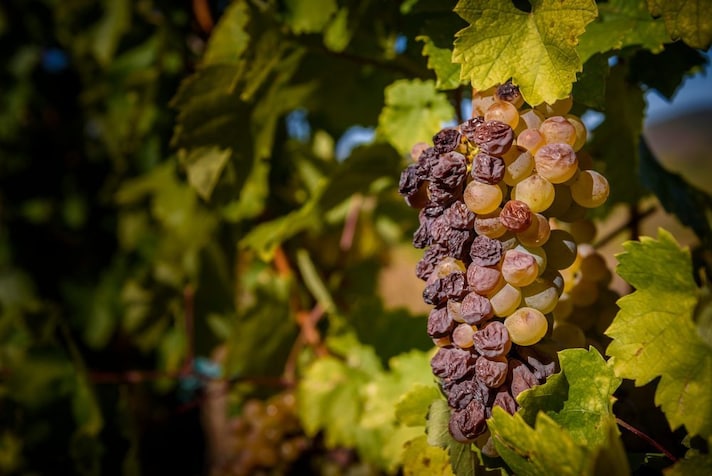
Mold feeds on the sugar in grapes and dehydrates 50-60% of the fruit. The more sugar it consumes, the more it multiplies, creating glycerin, an element that contributes to the entire aromatic and flavorful bouquet of the final product. Winemakers can spend weeks selecting these grapes during the harvest because the mold-affected bunches must be selected individually, sometimes even individually. This selection process requires countless steps, even before the fermentation process, which is very slow due to the mold: it can last up to a year. The timing is extended for everything, including the aging process, which requires more time.
All these delays make the production of botrytis wine among the most complicated, expensive, and risky in the wine world. Everything we've described involves a highly unpredictable variable, almost absent in other production processes: the vintage greatly influences the appearance of botrytis and, consequently, the wine's success. All these obstacles make botrytis wine very rare and justify the often significant costs of the final product.
The Main Characteristics of Botrytized Wines
Noble rot wines generally have a vibrant, intense golden yellow color, brilliant with golden highlights. Their aroma is complex and intense, with notes of honey, dried fruit (figs, apricots, candied fruit), dried flowers (chamomile, broom), spices (ginger, cloves), and, in some cases, beeswax or peat. The flavor is sweet, also intense, very persistent, and velvety. Unlike other sweet wines you might taste, botrytized wines always have a balanced acidity that offsets the excessive sweetness and adds freshness to the drink.
The Most Famous Botrytized Wines' Production Areas
In the United States, botrytized wines are produced on a much smaller scale, but excellent examples can be found in regions with cool, humid fall conditions that allow “noble rot” to develop. The Finger Lakes in New York is one of the most notable areas, especially for late-harvest Riesling, while parts of California, Washington, and Oregon also produce small-batch dessert wines influenced by Botrytis. These wines are typically made from grapes such as Riesling, Sémillon, Sauvignon Blanc, and Chenin Blanc, offering honeyed, concentrated flavors balanced by bright acidity.
The French have excellent examples: Sauternes, Barsac, and Monbazillac in Bordeaux, Loupiac and Sainte-Croix-du-Mont in the Southwest are certainly among the finest expressions you can find on the market.
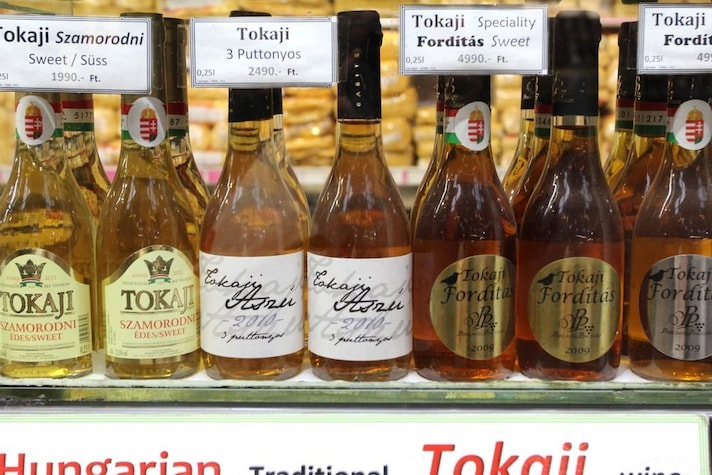
The most famous botrytized wine in the world, perhaps also the best, is not French however: it is the Hungarian Tokaij, also produced to a small extent in Slovakia. Also known as the "Wine of Kings" or the "King of Wines", it is a Hungarian sweet wine renowned worldwide for its complexity, its unique taste and its rich history, dating back to the 13th century. For almost 1,000 years, Tokaij (tokaj or – less correctly – tokay) continues to be one of the most prized wines in the world. Its production is limited and the best Tokaijs can fetch very high prices.
Other excellent European botrytis wines can be found in Austria and Germany, while around the world there are excellent examples in South Africa and Australia. One of the best botrytis wines around comes from China: of the large investments made by the country to enter the wine market, almost all have been of low quality because the territory does not allow for the vine to grow to a high standard, but Chinese botrytis wine is truly interesting.
How to Pair Moldy Wine With Food
Noble rot wines pair perfectly with dried fruit desserts, blue cheeses, foie gras, and mild desserts. They are at their best with aged and blue cheeses, even sharp ones, such as Gorgonzola and Roquefort. They are meditation wines, to be sipped slowly to appreciate their complexity and elegance. However, they should be served chilled but not too cold, between 46°F/8°C and 53°F/12°C.
;Resize,width=767;)
