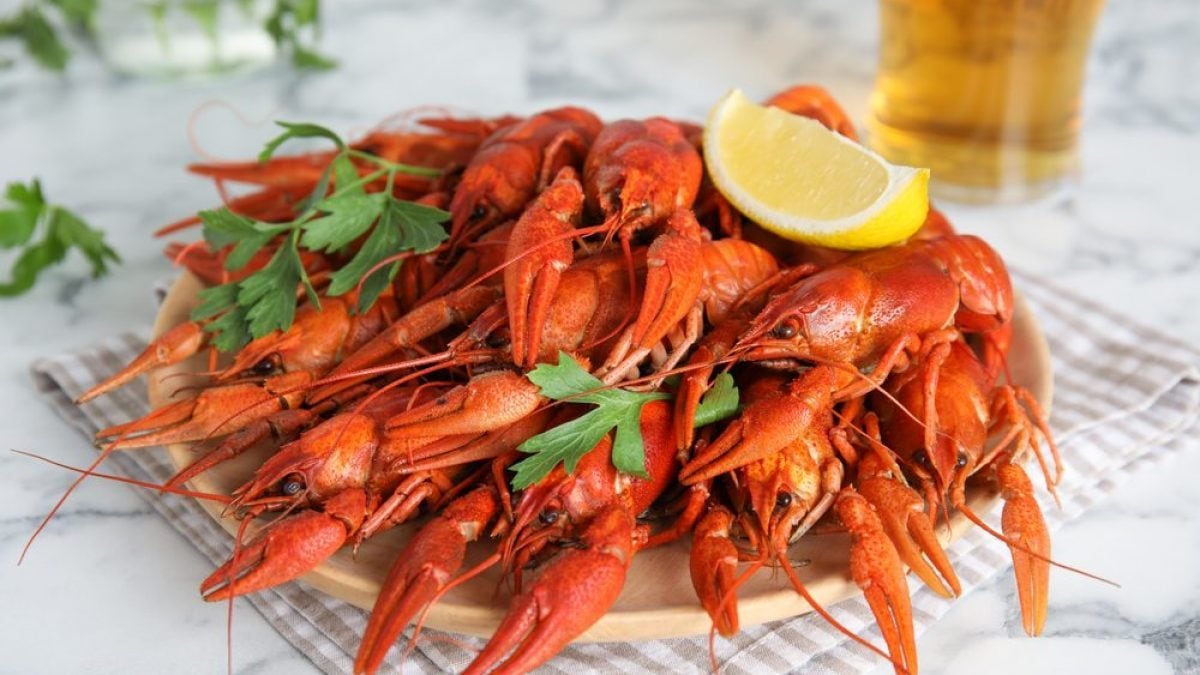
Shellfish are one of the most iconic products of our seas, especially shrimp: they are the most loved and consumed of all seafood, thanks to their versatility, delicate flesh, and delicate flavor. Shrimp, however, doesn't just come from the sea: there's also a species of crustacean native to rivers. These are crayfish, also known as freshwater crayfish, a particular species that prefers freshwater rivers to the sea and thrives in warm currents , so much so that in winter they tend to migrate quickly to find warmer river areas.
Crayfish are particularly delicate, with tender flesh that's even sweeter than their saltwater cousins. They also boast a nutritional profile very similar to that of saltwater crustaceans. Generally, buying crayfish is legal, but why are they so little known? Their limited presence on the market is due to significant restrictions on fishing: the most prized species of crayfish, the native Italian one, cannot be caught or traded because it's considered rare and at risk of extinction.
The only permitted trade is that of freshwater crayfish from farms or specially designated ponds, or from fishing during certain periods of the year, but always from non-native species that have been introduced into global rivers over the years. They are equally tasty products, but it's important to understand this aspect so you only purchase products whose provenance is certified in compliance with current regulations. Once you've found crayfish, how do you use them in cooking? Here's everything you need to know about these interesting crustaceans.
What Are Crayfish?
Crayfish, or freshwater crayfish, are small crustaceans characterized by a gray/greenish color with reddish hues and whitish bellies and limbs (which is why they are also known as "white-footed crayfish"). They resemble lobsters more than crayfish in shape, and live in freshwater rivers. They particularly inhabit rivers in mountainous areas, as they prefer highly oxygenated water: their presence, in fact, is an indicator of particularly clean and clear water.
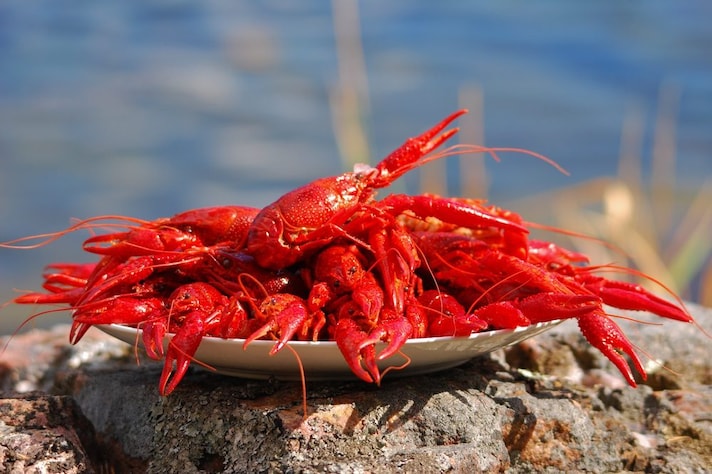
Widely distributed in North America, Australia, and throughout Europe—including Italy, where numerous farms now account for the majority of production—river crayfish are small and have a sturdy shell, growing up to 13 centimeters long and weighing no more than 90 grams. Don't be fooled by their small size: river crayfish have a sweet, delicately flavored flesh, characterized by a tender texture that makes them highly versatile culinary ingredients. Nutritionally, they are more similar to saltwater crayfish: they are also low in calories, rich in protein, and fairly low in fat. They contain no sugar, carbohydrates, or fiber, but are very complete in terms of minerals, particularly potassium, phosphorus, sodium, calcium, and magnesium.
The main Italian variety of crayfish is Austropotamobius pallipes, a very ancient native species already known to the ancient Romans and which for centuries has been an essential element of rural gastronomic culture, precisely because it is so common in hilly and mountain streams and creeks. The introduction of non-native species since the 20th century, the spread of parasites, increased industrial pollution, and lowering water levels have brought this species to the brink of extinction, so it cannot be farmed commercially, only for reintroduction purposes.
Precisely for this reason, freshwater crayfish fishing, or river crayfish, is regulated by national and regional laws that vary depending on the region and species: only certain non-native species can be caught and farmed for trade (although always with restrictions and closed seasons), or river crayfish imported from abroad are available for sale.
How to Clean Crayfish
Most well-stocked fish markets and shops have freshwater crayfish available for sale, but always remember to check the source to ensure they're caught and traded in compliance with current regulations. Once you've purchased your freshwater crayfish, the first thing to do is clean them thoroughly to remove any impurities and any traces of mud or sand that may still be present on their bodies.
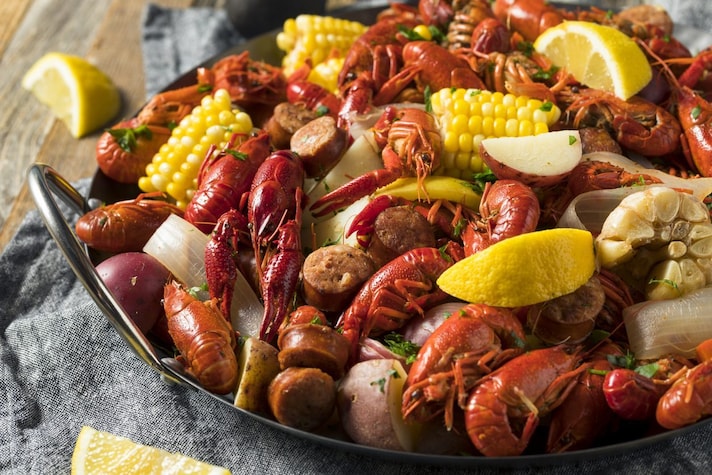
To clean them properly, simply place them in the sink, cover them with coarse salt and then water, let them soak for ten minutes, drain them, and rinse them; we recommend repeating the process two or three times to be absolutely sure they're perfectly clean. Alternatively, you can simply cook them in boiling water for 5 minutes, until they turn red. You can then easily remove the shell and extract the meat from the claws.
How to Use Crayfish in Cooking
Once cleaned properly, crayfish can be used in a variety of recipes thanks to the delicate flavor of their particularly tender flesh. They are primarily used in fish stocks and broths, to which they lend a pleasantly sweet aftertaste, but they are also perfect for a creamy, slow-cooked risotto; thanks to their tender flesh, this is one of the recipes in which crayfish excel. For example, in the Mantuan tradition, risotto is prepared with saltarelli (the local name for small crayfish), made with crustaceans coated in flour and fried in boiling oil, then combined with rice cooked in broth and topped with butter and Parmesan cheese.
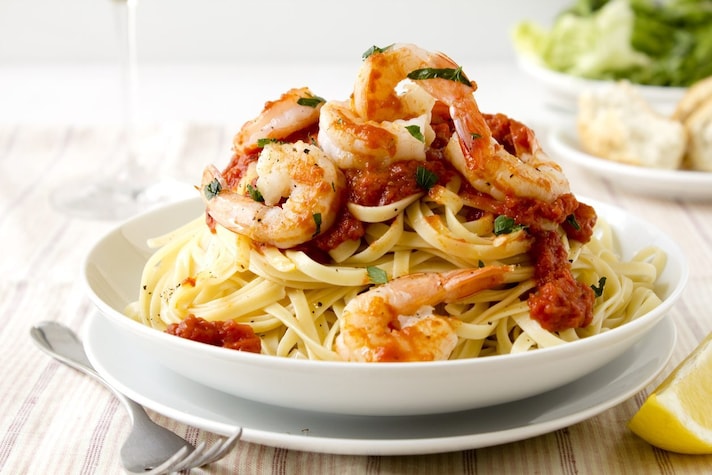
Freshwater prawns are generally excellent as a condiment for pasta dishes, such as spaghetti and linguine, but they're also excellent as a main course sautéed in a pan with a clove of garlic, a drizzle of extra virgin olive oil, and a few fresh cherry tomatoes. You can also use river crayfish as you would sea prawns, substituting them for their saltwater cousins in one of the many recipes featuring them.
;Resize,width=767;)
