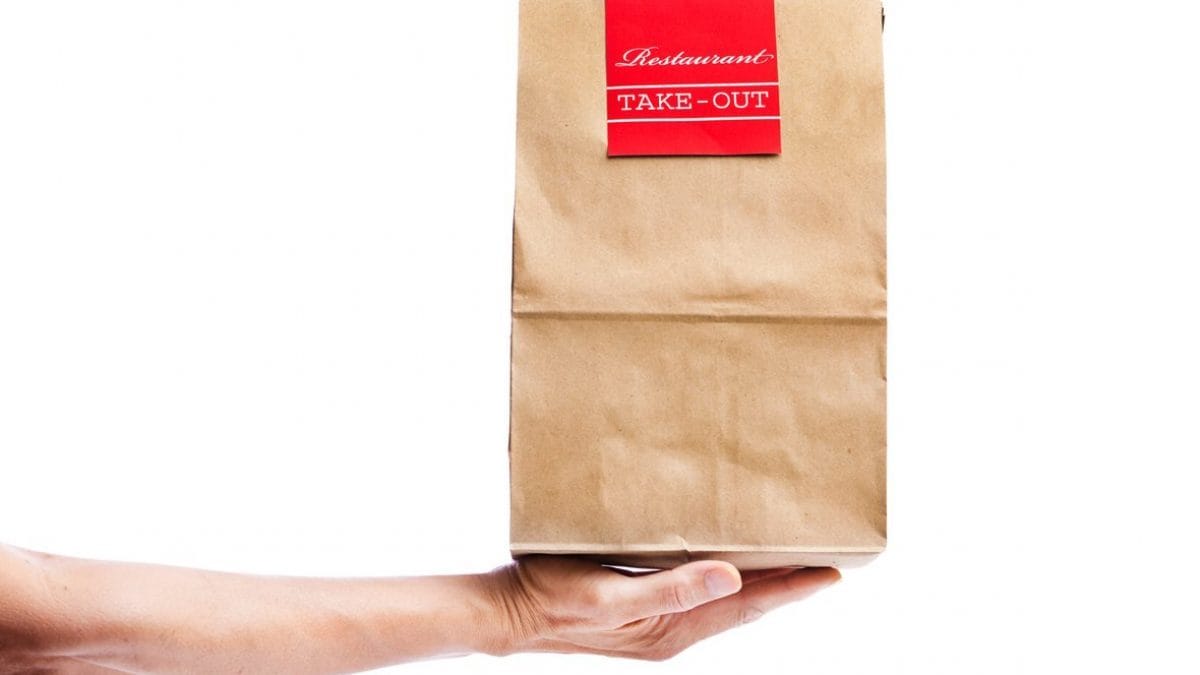
You've probably experienced that moment at a restaurant when, after eating a lot, you still have food left on your plate. In that instant, you look at it, look at it again, and think it's a waste, but at the same time, you're embarrassed to ask to take it home. Yet there is a solution, and it's been around for decades: the doggy bag. Yes, you read that right, and if you speak any English, we can assure you it has absolutely nothing (or almost nothing) to do with dogs.
So what is it, really? It's simply a container or small bag that, if you don't manage to finish your meal at a restaurant, you put the rest in to take home. It all stems from the idea that throwing away good food is truly a shame, as well as a huge waste of food. Let's take a closer look at this practice, which is quite widespread in our country and is slowly gaining popularity among customers abroad.
A Custom That Dates Back a Long Time
Doggy bag literally means "dog bag," a name that has contributed to many misunderstandings and smiles. However, the history of this effective waste-reduction measure begins many decades ago. We must go back to 1940s New York, when the United States was in the midst of World War II. In the Big Apple at the time, food was scarce and resources were limited. Citizens found themselves living in appalling conditions, and according to the most widely accepted theory, Mr. Dan Stampler, a restaurant owner, began giving these leftover bags to his customers. The idea was precisely to disguise the gesture (which could cause embarrassment or suggest stinginess) and pretend the leftovers were for one's dog.

In short, under the pretext of a four-legged friend, one could ask to take leftovers home from the restaurant without feeling ashamed. Over the years, requesting a "doggy bag" became a socially accepted gesture that became increasingly common, to the point where it is now considered almost a moral duty to combat waste.
How Does It work Today in The U.S.?
In the United States, asking for a to-go box (the American equivalent of a doggy bag) is extremely common and widely accepted. Most restaurants automatically offer one, and many diners expect to take leftovers home. Surveys suggest that around 45% of Americans regularly ask for a to-go container, with many others doing so occasionally. Unlike in some cultures, there is little stigma attached — taking food home is generally seen as practical, economical, and a way to reduce food waste, rather than something to be embarrassed about.
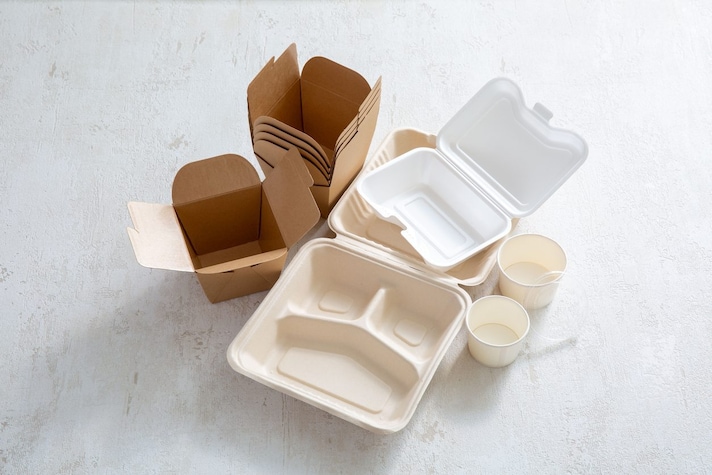
In the United States, there is no federal law requiring restaurants to provide doggy bags, but the practice is so widespread that it’s effectively part of dining culture. Many states and cities actively encourage food waste reduction, and providing to-go containers is seen as a simple, practical solution embraced by both restaurants and diners. While not mandatory, it’s considered a normal and expected service, reflecting a broader cultural attitude that values convenience, sustainability, and minimizing waste — without any stigma attached.
;Resize,width=767;)
