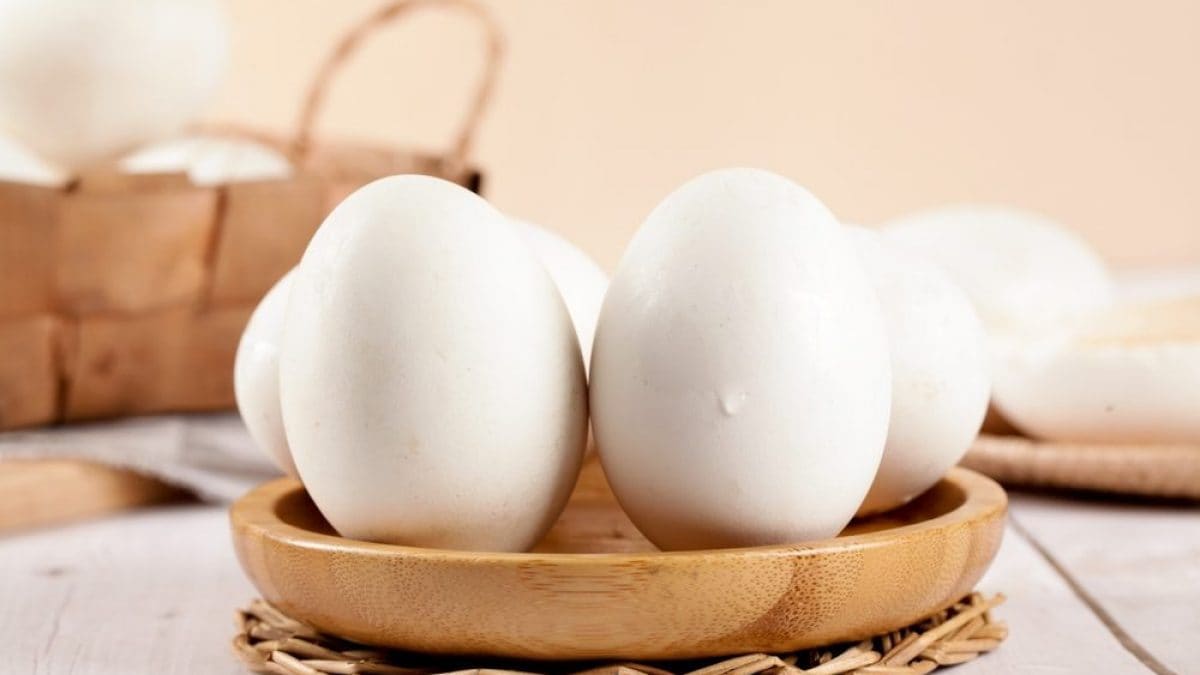
When talking about eggs in cooking, the most immediate reference is to chicken eggs, the most common and used in many sweet and savory recipes. In reality, however, there are many other types of edible eggs that find their way into our gastronomic tradition (and beyond), even if their presence is more limited. This category includes goose eggs, a farmyard animal once very common in the countryside, especially in New England, Pennsylvania, the Midwest and The Hudson Valley, prized for its meat, which is used to prepare holidays roasts, stews, pot pies, sausages and sandwiches and its fat, highly prized for frying and baking. Goose eggs are larger than traditional chicken eggs and contain more nutrients, but they can be used in the kitchen in the same way: finding them is not so easy, because they are laid only once a year, thus becoming a sought-after and expensive food. Let's get to know them better.
Goose Eggs' Main Characteristics
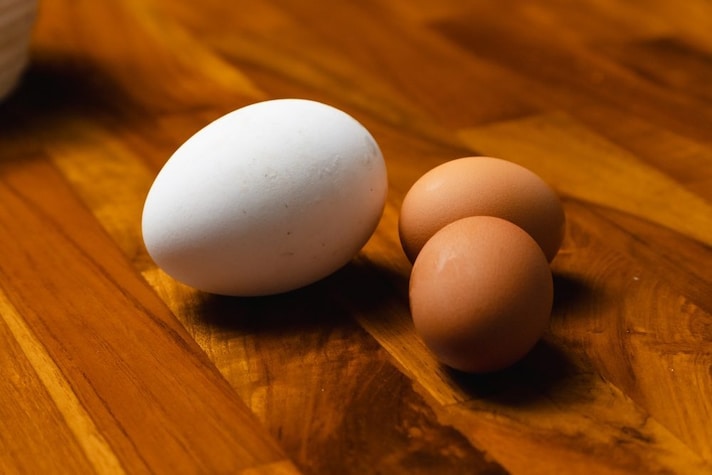
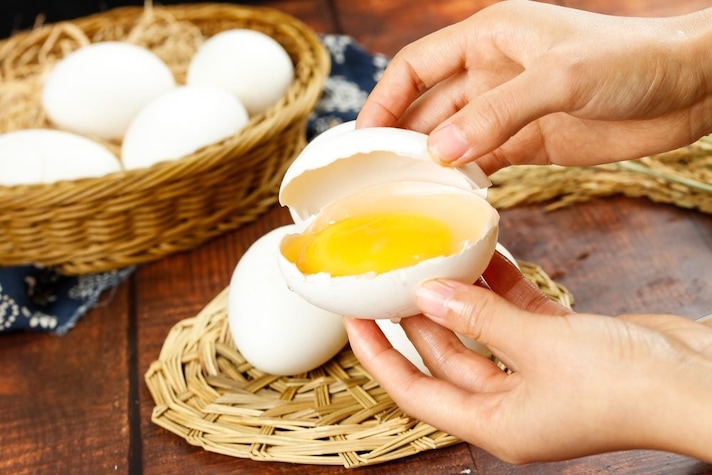
Let's start with size. Goose eggs are two or three times larger than chicken eggs, with a weight that can vary depending on the different domestic breeds from which they come: the most famous of European origin is the Romagnola or Roman goose, which appears in history books in the famous episode of the "Capitoline geese," sacred to Juno, whose quacking warned the Romans of the arrival of the Gauls, thus repelling the siege. Generally, the average weight is 150 grams (compared to 55 grams for a chicken egg), with a range of 120 to 200 grams. Always keeping the common egg as a reference point, the goose egg has a more elongated shape and a dull white, slightly rough shell, which becomes brighter once cleaned. Looking inside, the yolk is predominant between the egg white and the yolk, which is rather dense, bright red in color, and has an intense flavor: the quantity also affects the nutritional value, as it contains a greater amount of fat. If you rarely find goose eggs on supermarket shelves, the reason is easy to explain: compared to chickens, which have a year-round production cycle, geese lay only a few months (generally from February to May), and they also lay a smaller number (one egg every 2-3 days), for a total, again on average, of 50 eggs per person. Where to buy them? From farms, farmers' markets, or local producers: the price is between $2-$4 each.
Goose Eggs' Nutritional Value
As mentioned above, goose eggs are a more energetic food when compared to chicken eggs: per 100 grams, the former contain 189 kcal, while the latter drops to 128 kcal. From a macronutrient standpoint, they provide high-quality biological proteins, complete with all essential amino acids. Lipids are present in significant quantities (14.4 grams, compared to 8.7 grams in chicken eggs), with a good amount of unsaturated fatty acids. Among micronutrients, they stand out for their vitamin A content, and in terms of minerals, for their phosphorus, calcium, and iron content. The recommended serving is the same as for chicken eggs, 50 grams, to be included in a varied and balanced diet, choosing them as the only protein source: if you have them available, it's best to limit them to once a week, precisely because they are richer in fat.
How to Use Them in The Kitchen
At this point, all that's left to decide is whether goose eggs can be used in cooking like chicken eggs. The answer is yes, but you have to be careful with the quantities, since we've seen that this type is double the amount of traditional eggs. Because of their rich yolks, eggs can be used to make fresh homemade pasta, with the yolk having a more viscous consistency and therefore a bit more laborious to mix. The flavor is bold and pairs perfectly with early spring vegetables like agretti, peas, or the beloved asparagus: great classics are fried, omelettes, or scrambled, resulting in a particularly creamy and enveloping result.
;Resize,width=767;)
