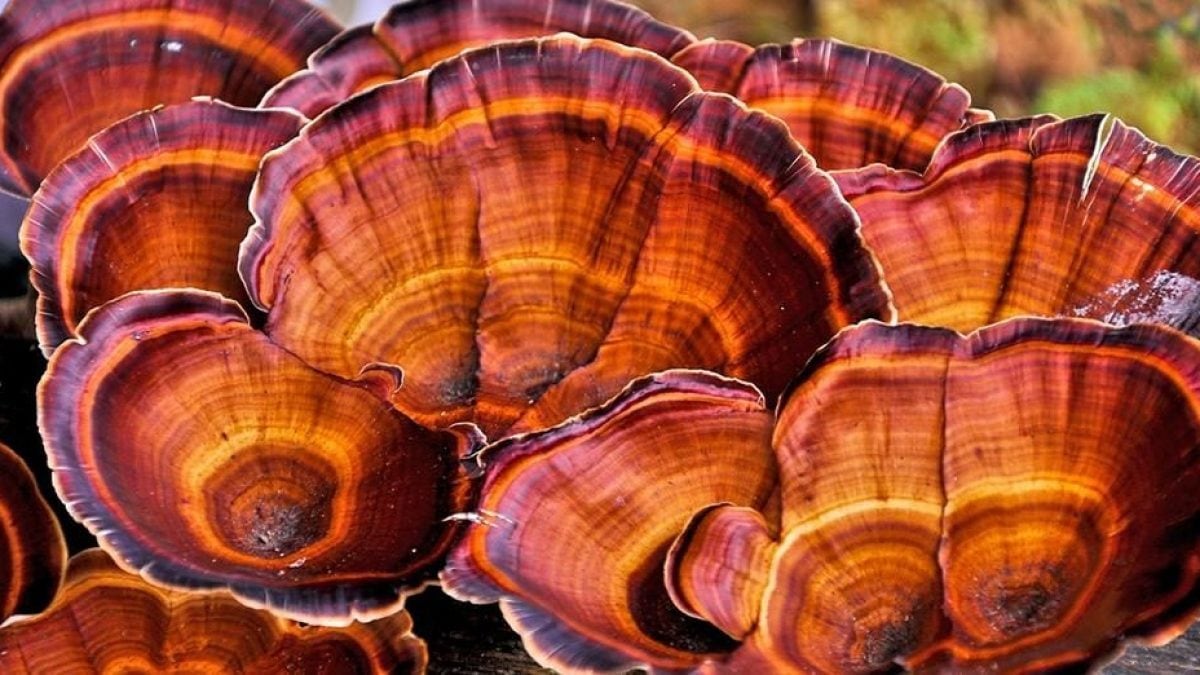
A mushroom with a very distinctive appearance and intense colors: it is the reishi mushroom, common name for Ganoderma lucidum, a fleshy mushroom with a strong flavor, which grows year-round in China and Japan – where it is known as Ling Zhi – but also in Europe. It is considered a particularly beneficial food, so much so that it is called the "mushroom of immortality": but where does this reputation come from? Here's everything you need to know about reishi mushrooms, what their benefits are, and why they are held in such high regard, not only in traditional Eastern medicine.
What Do Reishi Mushrooms Look Like?
The world of mushrooms is truly vast: there are countless edible species we can enjoy, some of which possess remarkable nutritional properties. In this case, we are talking about a mushroom belonging to the Ganoderma genus, a genus of basidiomycetes, and, in particular, Ganoderma lucidum, called reishi: its scientific name already indicates its most obvious characteristic, namely its particularly shiny appearance. It grows as a parasite on oak and chestnut trees, but also on broadleaf or coniferous trees, while in tropical countries it is reported to find its habitat on coconut palms and areca palms.

Reishi Mushrooms' Benefits
In traditional Chinese and Japanese medicine, the reishi mushroom has always been highly regarded, especially as a restorative tonic: according to these disciplines, the reishi mushroom is believed to be able to "extend" people's lives, thanks to its high levels of antioxidants. Western nutritional science has also taken this species into consideration, and it is now considered a "superfood" and included in restorative diets.
The reishi mushroom is considered an immunostimulant, but it also has analgesic and anti-inflammatory properties. It is particularly known and used for its antihistamine and expectorant properties, making it especially useful for coughs and seasonal ailments. It has long been used as a cardiac tonic: it helps improve heart muscle metabolism by regulating blood pressure. Here are some specific benefits associated with this type of mushroom:
- They promote longevity. According to a 2009 laboratory study published in Bioorganic & Medicinal Chemistry, these mushrooms contain polysaccharides that can effectively promote cell longevity. In particular, regular intake of reishi mushrooms may strengthen the immune system and prevent abnormal blood vessel formation.
- They help regulate digestion. Regular consumption of reishi regulates the production of gastric juices and, over time, also improves intestinal peristalsis, helping treat constipation and spastic colon. In general, this type of mushroom appears to improve communication between the nervous system and the digestive system.
- They stimulate liver regeneration. Like other varieties, reishi mushrooms are also useful for stimulating regeneration and, more generally, liver function, acting almost like "sponges" and eliminating toxins and chemicals.
- They reduce inflammation. Thanks to their anti-inflammatory properties, reishi mushrooms are useful for accelerating healing, but also for preventing inflammatory diseases. Specifically, they are thought to affect the production of white blood cells, thus stimulating the normal recovery of cellular activity.

How to Use Reishi Mushrooms
Reishi mushroom has an intense and particularly bitter flavor, which is why it is mostly used dried or powdered in Eastern traditions. This preparation is usually used to enrich beverages such as infusions, decoctions, or teas, but it is also common to find it used in fortifying soups and broths, along with products such as miso, seaweed, tofu, soy, seitan, cabbage, pumpkin, and so on.
;Resize,width=767;)
