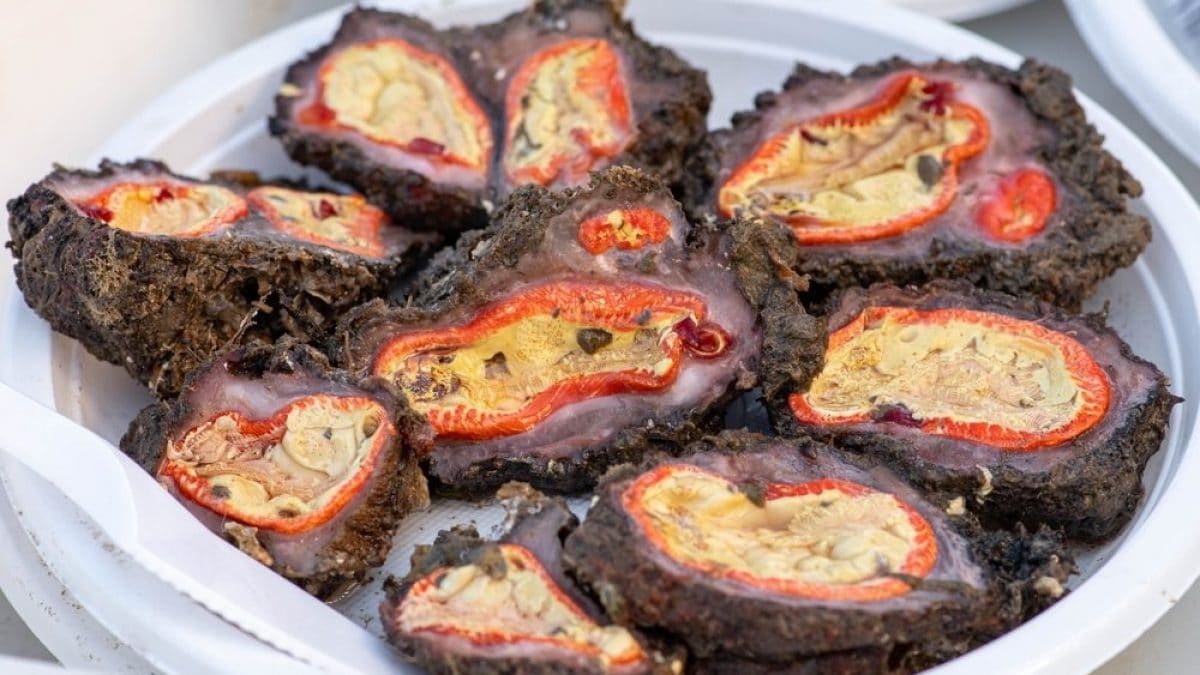
The seafood category is rich in exquisite foods, some famous like mussels, clams, and oysters, others less common but increasingly sought after, especially by a certain type of cuisine—gourmet cuisine—in search of ingredients and flavors that will astonish. This category includes sea figs, a very particular type of seafood that is rare for a variety of reasons, including the difficulty of identifying and catching them and the restrictions, if not outright ban, on fishing in several areas where they grow in colonies.
Sea figs, in fact, are caught in France (where they are found in traditional dishes) and even in more distant parts of the world, such as Chile and Southeast Asia. What makes sea figs truly unique among seafood, beyond their singular appearance—the bright yellow and red interior is more reminiscent of a sponge or truffle—is their flavor: it is very strong and very tart, with marine and iodine notes, vaguely reminiscent of sulfur or carbolic acid.
Anyone who's tasted it either loves it or hates it. Great chefs rave about its sensory qualities, and in many parts of the world, it's used in traditional seafood cuisine, both cooked and raw. Let's learn more about sea figs and all their unique characteristics.
What Are Sea Figs?
Sea figs are a particular variety of seafood that is little known and rare, even though they populate the seabed of various areas of the world, particularly the Mediterranean Sea, but also in the more cold seas off Northern France, Great Britain and Norway, in Southeast Asia and in some coastal areas of South America.
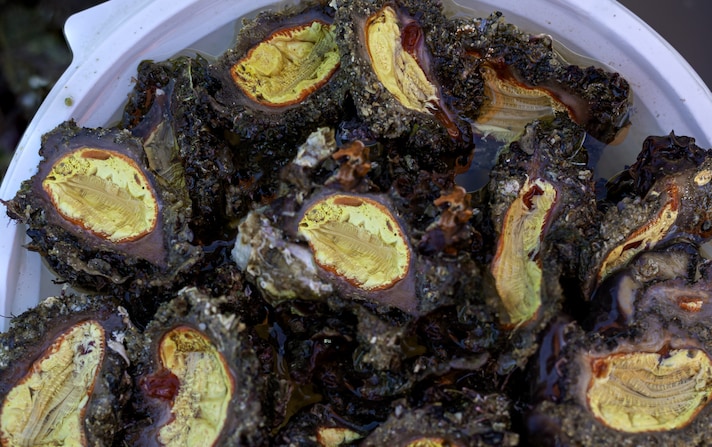
Belonging to the Pyuridae family, sea figs (or sea squirt) are scientifically known as Microcosmus sabatieri or Microcosmus vulgaris and have some truly unique characteristics, starting with their appearance. Before opening them, they look like irregularly shaped stones, a characteristic that makes them very difficult to spot since, growing in colonies, they look just like rocks. They also love rocky seabeds and the substrate of the seabed: despite being between 5 and 10 cm long, they live in large colonies that also become a home for other organisms (algae, sponges, etc.), creating a sort of microcosm in which they are truly difficult to spot.
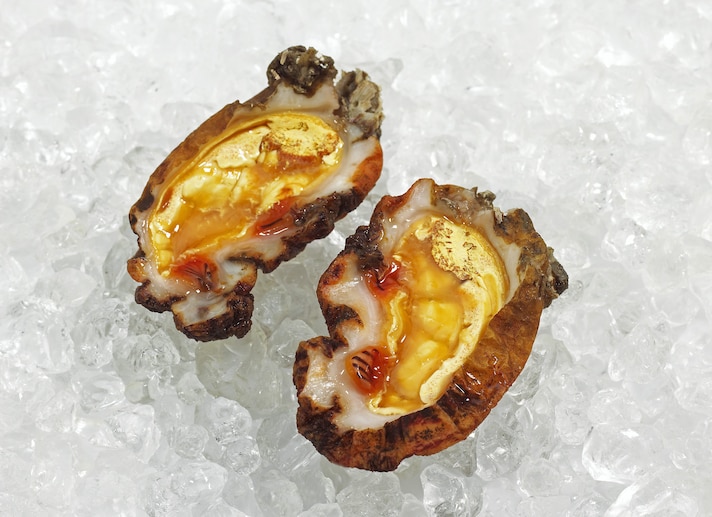
The edible part is the inside, a bright yellow sac with red and purple hues that contains the fruit's innards. The combination of its wrinkled exterior, yellow color, and strong acidic flavor has led to the common name sea figs, but it is also known as "sea squirt" for its vaguely sulfurous odor.
What Do Sea Figs Taste Like?
Flavor is what makes sea figs truly unique, the reason why gourmet cuisine is particularly intrigued by these little-known seafood. Unlike the seafood you're used to, sea figs are very acidic, almost sour, with a strong, distinctly marine and iodine aroma. The flavor is strongly salty, with a very intense taste and aroma reminiscent of carbolic acid and sulfur. In short, it's a food for brave palates (even if worse exists, like these literally dangerous foods), also because the part you eat is the yellow sac containing the viscera, essentially the intestine, the only edible part of sea figs. Despite their very particular flavour, sea figs actually have a very interesting nutritional profile: they are an excellent source of antioxidants, rich in vitamin C, with a good protein content (12 grams per 100 grams of product) but a low percentage of lipids and fats, and a low caloric component (around 85 calories per 100 grams).
How to Eat Sea Figs
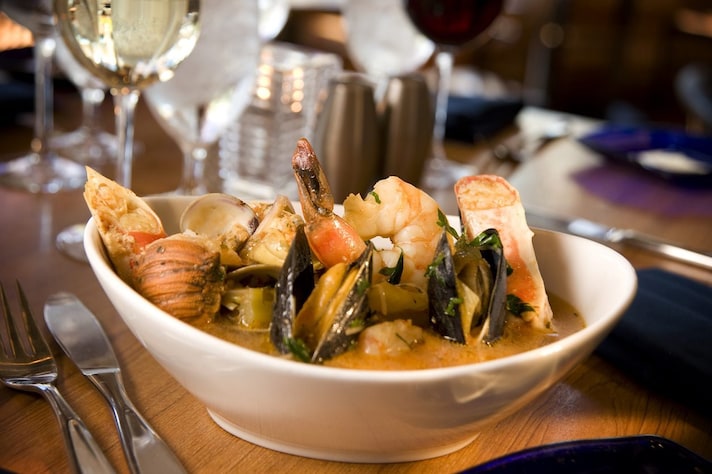
Since they are filter-feeding seafood, sea figs must be thoroughly cleaned to remove any impurities, much like mussels and clams. Once properly cleaned, they can be eaten in a variety of ways: cooked, they are an ideal complement to fish and seafood dishes; in fact, one of the most famous recipes using them is Bouillabaisse, a particular seafood soup typical of the South of France. In Italian fishing areas, particularly in Puglia, where they are known as taratuffi or spuenzi, one of the most successful pairings is simply with spaghetti, but they are also often eaten raw with the addition of just lemon juice.
Sea figs, if of reliable origin and thoroughly cleaned, can also be eaten raw, which best enhances their intense and distinctive flavor. Eaten raw, they are particularly popular in the cuisines of countries like Japan and Korea, where they often appear in sushi or sashimi dishes; in Southeast Asia, however, they are more commonly found as cooked ingredients in soups and stews.
How Much Do They Cost and Why Are They So Rare?
Sea figs are not easily found at fishmongers, which is why their selling price is quite high, hovering between 15 and 30 euros per kilo (17 to 35 dollars). But why are these shellfish so rare? There are several reasons. First of all, it's very difficult to recognize the mollusk because, as we've explained, it lives in colonies on sandy bottoms rich in debris or attached to rocks on the seabed. It resembles a piece of rock in every way and often lives surrounded by other marine organisms.
Added to this is a decline in the species due to years of intensive fishing and a bacterial epidemic that, in the 1990s, decimated the number of sea figs in the waters. Furthermore, it must be considered that, being filter feeders, sea figs also accumulate pollution and possible heavy metals such as cadmium, arsenic, chromium, iron, mercury, and zinc; precisely because of their resistance to pollution, in fact, they are often found within ports. To protect the species from overexploitation and to ensure food security, sea figs fishing is severely limited, regulated by strict rules, and in some regions even banned, which is why the commercialization of these seafood is not widespread.
;Resize,width=767;)
