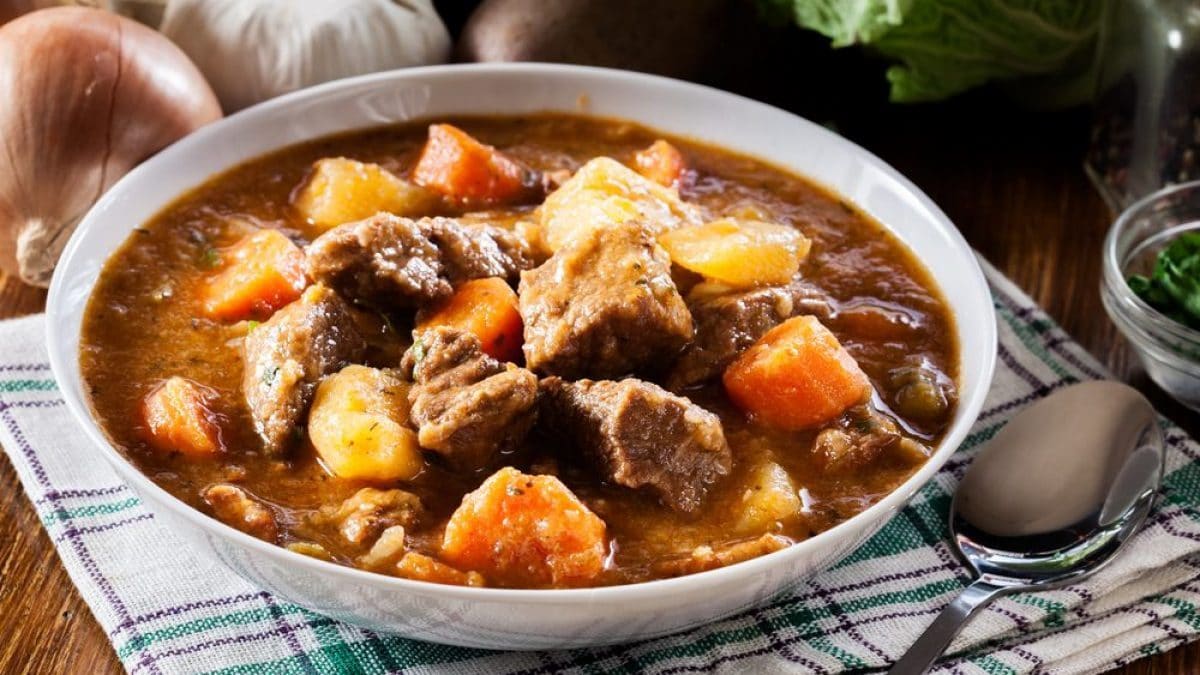
Among the recipes that most evoke the idea of slow cooking is undoubtedly that of stew. It is a preparation that recalls dishes cooked very slowly, so much so that the name derives from the stove, which in homes of the past served not only for heating but also for cooking food. A stew, in fact, involves simmering meat, fish, or vegetables for a rather long time in a pot, covered (almost) entirely with a liquid (but it is not a boiled dish) that allows the food to remain tender, allowing it to flavor in combination with its juices. Among the most classic raw materials, as we have seen, is meat, which in the end must remain extremely tender and tasty. Precisely for this reason, it is essential to choose the right cuts which, fortunately for your wallet, are never the most valuable. The reason is simple: stews, casseroles, and braised dishes are primarily designed to utilize those cuts made up of tough muscles, sinews, and fat, which therefore require long cooking times to tenderize, compared to the more sought-after lean cuts. Whether beef, pork, or lamb, shoulder is the best candidate, because it's rich in connective tissue, but our list also features an "intruder" that proves to be an excellent ally.
The Best Beef Cuts for Stew
Priest's Hat
It comes from the shoulder of a bovine animal, and is also called shoulder cover. It has a rather flat, trapezoidal shape: it is probably precisely because of this aesthetic detail that it recalls the headdress once worn by priests. It is one of the most recommended cuts for stews, but also for braised and casseroled dishes, due to its lean flesh, which is traversed by a good amount of connective tissue that melts with the heat, lending flavor and tenderness to the meat.
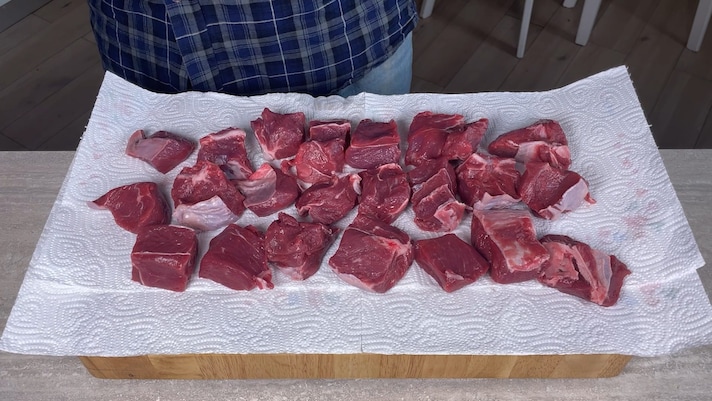
Brione
Brione is a little-known cut of beef, but it proves to be very interesting, especially for slow cooking: it is second-rate and inexpensive. It is found between the shoulder and the leg, in the front part of the animal, characterized by a structure rich in connective tissue, appearing slightly marbled. It is composed of two muscles that are used a lot: for this reason, it has a tough consistency that needs to be tenderized, thanks to the slow, moist cooking that allows the collagen to dissolve.
Silverside
The beef shoulder silverside should not be confused with the more prized round, which is part of the leg. It is distinguished by a light infiltration of connective tissue and its tapered, cone-like appearance that tapers at the bottom, so much so that it is also known as a spindle. It is one of those versatile cuts used not only in stews, but also in casseroles, braised meats, and braised dishes, often enriched with red wine.
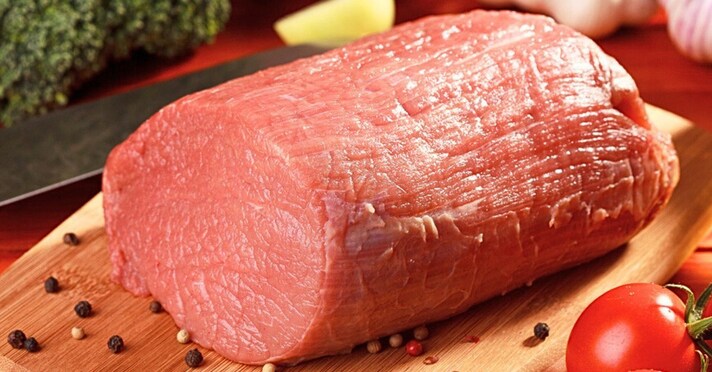
Beef Shank
Speaking of universal cuts suitable for slow cooking, it's impossible not to mention the shank, which comes from the hind leg. In many recipes that require long, slow cooking, the ingredients often only list "beef muscle." Well, that's the part they're referring to, also called shin or, the same one used to make the classic ossobuco. What are its distinctive features? It has a cylindrical or oval shape, is fibrous, and has a large amount of connective tissue that lends intense flavors.
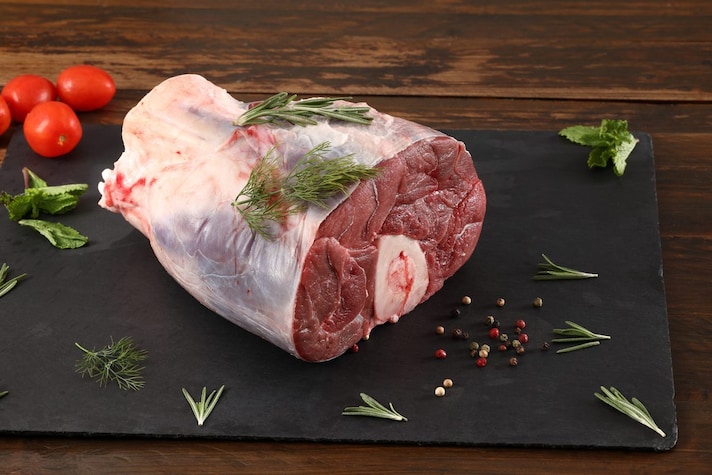
The Best Pork Cut for Stew
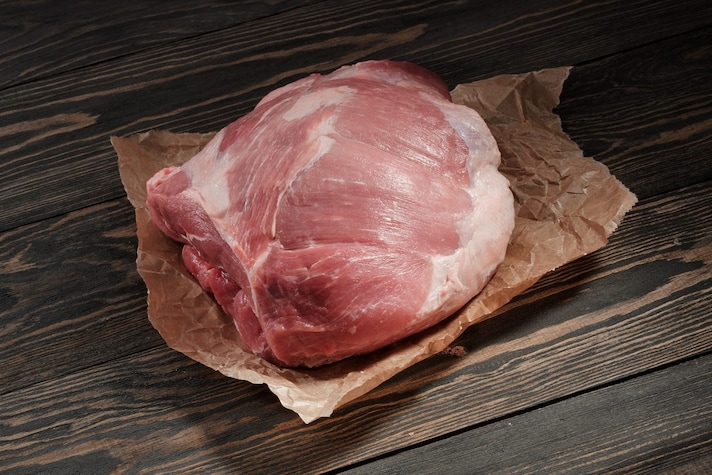
Pork shoulder is one of the absolute best cuts for stewing. It can be cubed or used in larger pieces. Again, the amount of fat that renders during cooking creates a gelatinous consistency that keeps the meat from becoming stringy and remains incredibly tender. Excellent for stews, it's also often found in Asian recipes, especially Chinese ones, paired with sweet and sour seasonings that soften its intense flavor.
The Best Lamb Cut for Stew
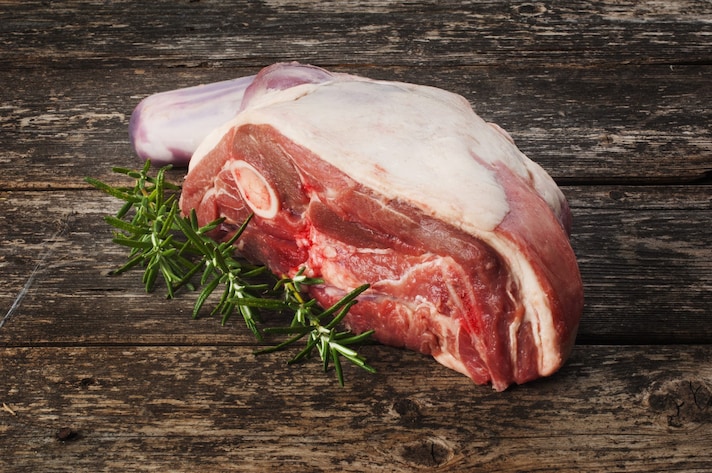
Lamb shoulder is the most commonly used cut for stewing. It has a good amount of fat and collagen, which melts with slow cooking, making the meat tender and juicy. It's ideal cut into medium-large pieces and is perfect for stews with aromatic herbs, tomatoes, or wine, as well as the spicy ones from Morocco and Tunisia, where lamb is the most traditional type of meat.
;Resize,width=767;)
