If the saying goes that the mid-seasons no longer exist, often when we go grocery shopping the full seasons seem to have disappeared as well: at the fruit and vegetable counter, in fact, it is possible to find any vegetable throughout the year. This availability, while practical, in reality does not respect the best times to enjoy zucchini and tomatoes, strawberries and bananas, which not surprisingly often turn out to be flavorless. In the months of March, April, May and part of June, spring vegetables take centre stage, becoming the ones to focus on for tasty and healthy recipes, taking advantage of all the organoleptic and nutritional qualities of these vegetables. Make room for asparagus, glasswort and fava beans, but also for products already present, such as artichokes, or others that will also last after, such as green beans, for a mix under the banner of green power.
1. Asparagus

Available for a limited period of time, from March to May (with some extensions until June depending on the variety), cultivated or wild, asparagus is one of the symbolic vegetables of the season: the U.S. boasts some excellent green, white and purple varieties, all of which have in common the fact that they are foods packed with benefits, low in calories, and a good source of mineral salts such as potassium, vitamin A and folate (vitamin B9). The best way to bring them to the table and take advantage of all their properties is to cook them briefly, steaming them or boiling them in the asparagus cooker, the special pot in which they are positioned vertically which allows the tender tips not to be ruined: they are excellent as a side dish, but also for enriching savory pies, omelettes, scrambled eggs, pasta and risotto. The best combinations? With eggs, cured meats (such as pancetta and guanciale) and prawns. Furthermore, the scraps from cleaning are not thrown away, but reused.
2. Glasswort

They are known by a variety of names depending on the regional latitude: monk's beard, monk's mustard, lischi, roscani, but they are always glasswort, a typical spring vegetable characterized by its long, thin, bright green leaves, firm texture, and fresh, pleasantly spicy flavor. They are low in calories, composed mainly of water, and contain fiber, vitamin A, and calcium, important for our body. While at first glance they may seem complicated to cook, they actually lend themselves to a thousand preparations: blanched and seasoned with an emulsion of oil and lemon, sautéed in a pan with a few anchovies for added flavor, or mixed with ricotta to create a creamy pasta dish. Obviously, there is room for omelettes, but also for refined tarts for appetizers. The important thing is to clean each bunch well from any residual soil: just cut the lower part of the stems with a knife and proceed with a couple of rinses.
3. Fava Beans

Among the seasonal legumes, the bright green fava beans emerge, keeping us company until June. They have been a food since the times of the ancient Romans (where they even appeared in funeral rites) and in spring they can be enjoyed fresh, while during the rest of the year they are used in their dried version. They are mainly purchased at market stalls, kept inside their pod: the seed is shiny, without wrinkles, with the smaller beans being sweet and tender, excellent eaten raw accompanied by great classics like pecorino and mortadella, while those that ripen towards the summer are generally larger and bitter, so it is recommended to cook them, shell them and boil them. Typical dishes come from the poor peasant tradition, including soups, pesto and omelettes, but they are also worth trying in a more creative way, such as a reinterpretation of hummus to serve during brunch: what's more, even the peels can be used in anti-waste recipes. Fava beans are an excellent source of plant-based protein, but those suffering from favism, a hereditary condition that can lead to acute anemia, should not consume them. Interestingly, it is thought that the Greek philosopher Pythagoras suffered from this genetic anomaly and that for this very reason he forbade his followers from eating them.
4. Peas

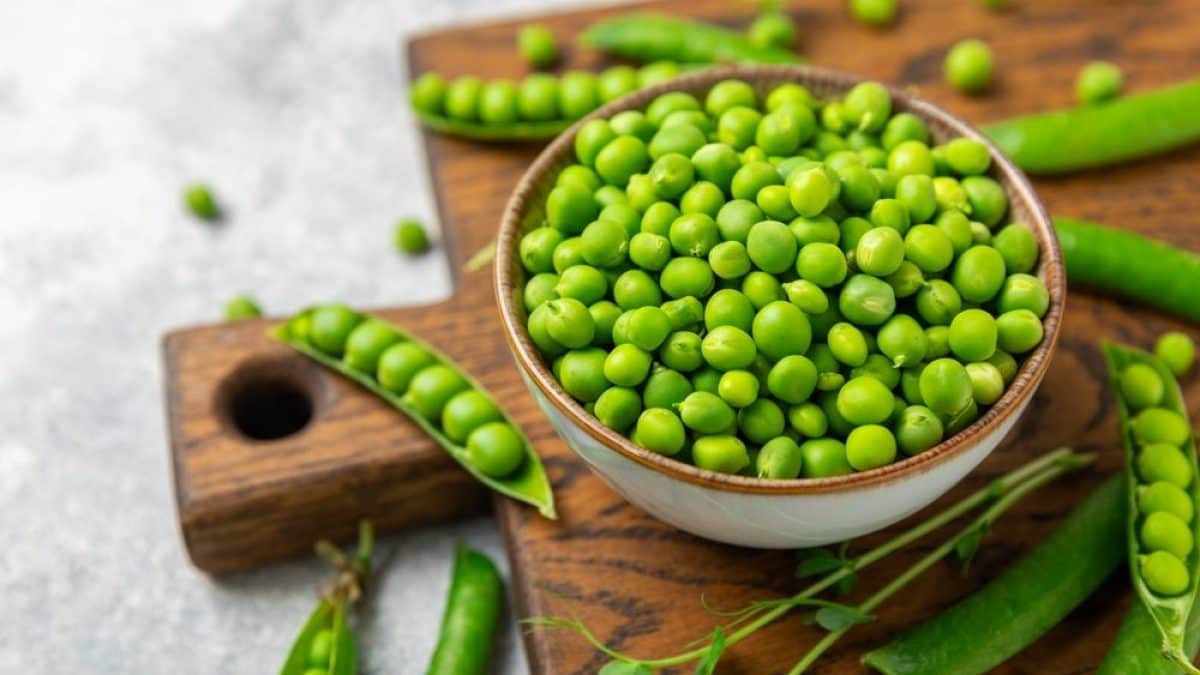
Let's stick with the legume theme and focus on peas, probably among the most popular and appreciated for their sweet flavor and high digestibility, making them a healthy and nutritious food, suitable for all ages. Peas are available year-round, canned, pre-cooked, or frozen, but spring is their best season, when they can be purchased fresh in their pods. In the kitchen, needless to say, they are a versatile ally: you can boil them or pan-fry them, presenting them as a simple side dish, but also in many main dishes, from cream soups to lasagna. They are excellent in stews, for example in a ragù or a stew. The tip to best enhance the texture of fresh peas is to leave them slightly crunchy: they should soften, but not completely fall apart.
5. Snow Peas

Many people think that snow peas are close relatives of green beans and broad beans, but in reality they belong to the same genus as peas: their scientific name is Pisum sativum var. macrocarpon, while in jargon they are known as “mangetout peas” as they do not shell, unlike their cousins, using both the pod and the seed, which remains at an early stage of maturation. They can be recognized by their large, flattened shape, about 10 cm long, their green color and sweetish flavor: from the point of view of their composition, they resemble vegetables more than legumes since the protein content is less significant, while they contain a lot of water and fiber, which are useful for proper intestinal function. A vegetable that is probably less widespread, but which offers many ideas in the kitchen: they are usually eaten after blanching for a few minutes and then used in main dishes, salads, side dishes, combined with flakes of pecorino, tomatoes, olives, and are delicious au gratin in the oven.
Other Vegetables You Can Find in Spring
In addition to the typical seasonal specialties, which are difficult to find fresh outside of this handful of months, there are also vegetables that are very common on spring tables that we find in winter or summer, continuing or starting their journey on the greengrocer's shelves. Let's see which ones to buy.
6. Artichokes

Beloved and versatile, artichokes make their appearance as early as December, the protagonists of rich and hearty recipes. In spring, they remain with the classic varieties of the period, tender and sweet, with an almost buttery consistency once cooked. They are fried (Jewish-style) or Roman-style, but they lend themselves to a thousand different preparations, even paired with other seasonal vegetables, for example in asparagus and artichoke pasta or as a delicate side dish with peas.
7. Spinach

Calling spinach a versatile vegetable would be an understatement, as it truly is a versatile ingredient for countless easy and tasty appetizer, main dishes, and side dish recipes, including all those paired with ricotta, whether in lasagna, cannelloni, stuffed pasta, crepes, or savory pies. Fresh spinach is available from September to May and is known to be a superfood for its many benefits, including promoting bone and eye health and strengthening the immune system. To maximize its nutrients, steaming is an excellent method, as the leaves don't come into direct contact with water, thus maintaining their color and texture.
8. Green Beans

From May to September, or October at the latest, we have green beans available, the immature pods of Phaseolus vulgaris, the common bean. They are recognizable by their elongated, narrow shape, usually cylindrical, green in color, and slightly curved, so much so that they are also known as "cornetti." They are an excellent source of antioxidants (vitamin C and carotenes) that fight free radicals, as well as folate and vitamin B12. Their flavor is more grassy than that of peas, but they are equally tasty and light, perfect for use in many recipes that are more delicious than you might think.
9. Radishes

If there's one vegetable that deserves more consideration, it's the radish. Nowadays, it can be found all year round, but its peak season in the U.S. is from April through November. Perhaps not everyone knows it, but radishes belong to the large family of brassicas or cruciferous vegetables, along with cabbage, broccoli, arugula, and mustard, among others, and share the status of "health concentrates" due to the many properties attributed to them. The common red radish, with its rounded appearance, has a fresh and pungent flavor and a crunchy and juicy texture: it can be eaten raw, to liven up a dip, in salads or fish-based poke bowls, for example to "degrease" marinated tuna or smoked salmon, or cooked, sautéed in a pan, becoming a detox side dish.
10. Early Potatoes

We conclude with a vegetable that needs no introduction: unknown in Europe before the discovery of America, it was long thought to be poisonous, until potatoes became a lifesaver for millions of people during wars and famines, due to their ease of cultivation and high carbohydrate content, making them an energy-giving food. In spring, new potatoes take the stage, early varieties that are harvested between May and June and are distinguished by their small size, regular and graceful appearance, and for having a thin, edible skin that does not need to be removed. They are cooked like classic potatoes, steamed, boiled, and baked, ideal as an accompaniment to roast fish, meat, or other vegetables, such as carrots. Try the pan-fried caramelized version, which with butter, brown sugar, and spices turns them into irresistible nuggets.
;Resize,width=767;)
