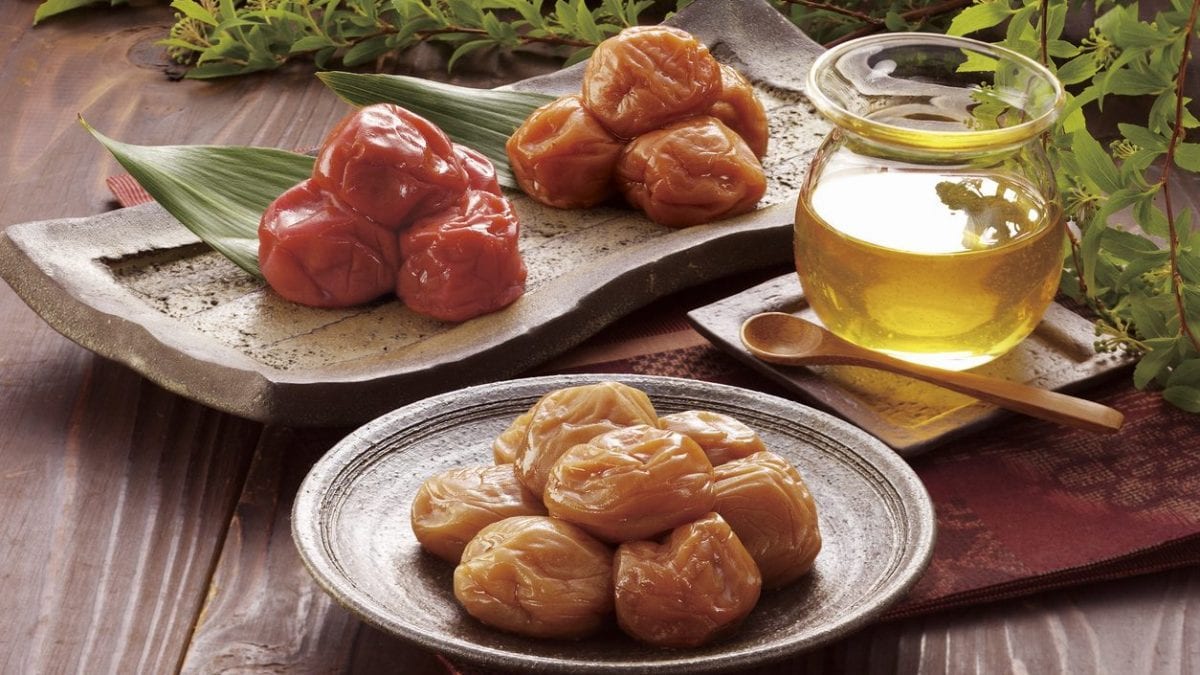
Also known as “Japanese fermented plums,” umeboshi plums are a fruit of Chinese origin —also popular in Korea and Japan—a cornerstone of macrobiotic philosophy and a staple of traditional Eastern cuisine.
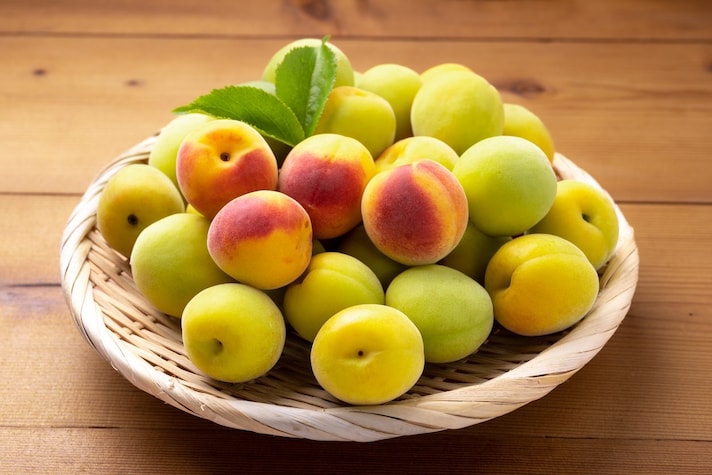
With an unmistakable flavor, an explosive mix of acidity and saltiness at the same time, they are a true concentration of beneficial virtues, to be exploited and enhanced in the kitchen. Fruit of the Prunus mume tree, belonging to the Rosaceae family, it is a cross between a plum and an apricot, and the name derives from the union of two Japanese words: ume, meaning "plum tree," and boshi, meaning "to dry."
The fruits are harvested while unripe, fermented with salt, and then dried. This unique process produces a wrinkled, reddish fruit with soft flesh and a bold, intense, and very pungent flavor. Let's take a detailed look at the benefits of umeboshi plums and how to incorporate them into our dishes, thanks to the contribution of Dr. Simone Gabrielli, biologist and nutritionist.
How Are Umeboshi Plums Made?
The preparation process begins with the harvesting of the unripe fruit, which usually takes place in June, when the trees are at their peak ripeness. Once detached from the trees, they are carefully washed, immersed in water, and then layered in containers or large tubs, with a quantity of salt equal to 20 percent of their weight for weeks or months.
Once the lactic fermentation is complete, which produces umezu, or umeboshi acid, the plums are traditionally dried in the open air or, on an industrial level, using drying tunnels or racks in automated greenhouses.
To obtain the characteristic reddish hue, the fruits are immersed in a solution with red shiso leaves, also known as "Chinese basil", which in addition to giving them their unmistakable color, adds a spicy and aromatic note to the final product.
Umeboshi Plums' Benefits
Nutritionally, umeboshi plums, because they're very high in salt, should be considered a condiment rather than a fruit. "They contain organic acids (such as citric acid) that contribute to the tart flavor and provide small amounts of phenolic compounds and antioxidants," explains Gabrielli.
Calories are negligible because they are consumed in minimal quantities and are not a significant source of vitamins or minerals: their value lies more in the role they can play at a gastronomic and traditional level than in a strictly nutritional one.
Umeboshi plums are often credited with almost medicinal properties, but the reality, as always, is somewhat different. The tart, salty flavor stimulates salivation and the secretion of gastric juices, aiding digestion and helping to combat bloating and abdominal pain.
Due to the fermentation process they undergo, they fall into the category of fermented foods. Despite this, they cannot be considered a true probiotic: "This is because they are unable to provide beneficial bacteria to the microbiota in sufficient numbers to provide significant benefits to the gut," the expert points out.
That said, it's certainly a very interesting product, worth exploiting and enhancing in the kitchen to add flavor to our dishes, but it's certainly not therapeutic. "Unfortunately, you can read online about many supposed detoxifying and alkalizing benefits, or claims that it can treat specific ailments, but there's no evidence to support these theories," concludes the doctor.
Finally, are there any contraindications? Due to its high salt content, consumption should generally be limited and avoided if you have high blood pressure, water retention, or are following a low-sodium diet. If you suffer from gastritis or reflux, it's best to use it in moderation: its characteristic acidity could bother particularly sensitive individuals.

How to Use Umeboshi Plums in Cooking
With a distinctly acidic and salty flavor, with fermented and slightly fruity notes, umeboshi plums cannot be eaten "in bites" like a traditional fruit, but should be used in small doses to flavor dishes and give character to various preparations.
These can be purchased in Asian grocery stores, organic shops, well-stocked supermarkets, or online. It's important that they don't contain added sugars or artificial flavors. Pay attention to the label and make sure only the traditional version contains these ingredients: ume, salt, and shiso. In addition to dried plums, you can also find umeboshi vinegar, the salty liquid formed during the fermentation process, excellent for flavoring any dish, just like a traditional vinegar.
In the most traditional use, umeboshi plums are cut into small pieces, mashed or even left whole, and added to a portion of boiled rice or to onigiri, the famous rice balls typical of Japanese cuisine.
Pureed and mixed with extra virgin olive oil, soy sauce, and rice vinegar, they become a perfect dressing for dressing a portion of cooked vegetables, a green salad, a mixed salad, or a cucumber salad. A small piece of this dried fruit can be added to a pan of cabbage, zucchini, mushrooms, or cauliflower for a delightful spicy touch.
Excellent paired with tofu or tempeh, sautéed in a pan with a drizzle of seed oil and a drop of tamari sauce, they can be dissolved in a broth, a noodle soup, a vegetable cream soup or a cereal-based dish.
Used sparingly and with a pinch of salt, umeboshi salt is not only excellent for flavoring salads or cooked vegetables, but also for marinating fish fillets or white meat. The key is to use it sparingly and taste the dish before adding more salt.
In conclusion, this food, with its strong and unique flavor, can be an interesting addition to your diet, especially if you appreciate fermented, concentrated, and umami flavors. The important thing is to remember that it is a true condiment, and not a fruit in the strict sense: a small bite, in fact, will be enough to transform the entire dish.
;Resize,width=767;)
