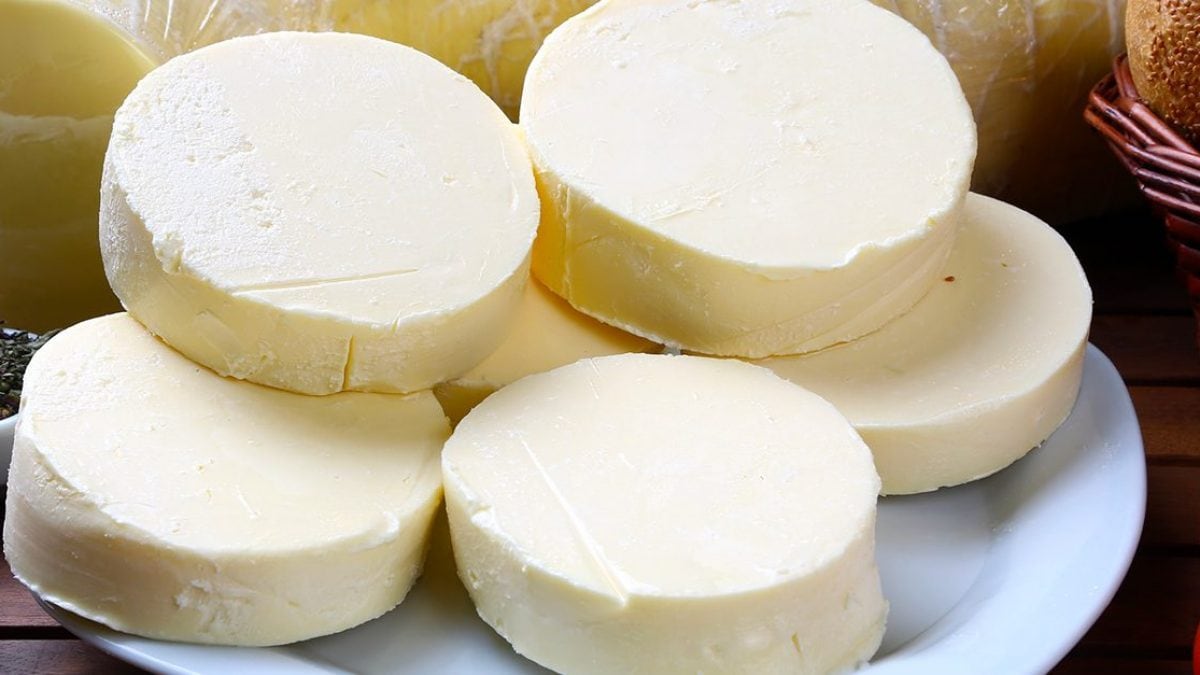
When talking about a vegetarian diet, we often focus on meat and fish, overlooking seemingly harmless foods like cheese. Yet, not all dairy products are suitable for those who have chosen not to consume foods of animal origin, including derivatives. In this case, the detail to pay attention to is rennet, one of the main "ingredients" in the production of cheese, and the reason is purely ethical: this "substance" that serves to coagulate milk, thus causing it to solidify, comes from the stomachs of lambs, kids, or suckling calves and is obtained from their slaughter. Most of the excellent products, such as Grana Padano and Parmigiano Reggiano, require its use in their specifications to maintain the Protected Designation of Origin, as do many other specialties. Are there any options? And how do you recognize them when purchasing? We'll explain.
What is Rennet and What Are the Alternatives to Animal Rennet?
During cheese production, a process called coagulation occurs, in which the liquid part of the milk (the whey) and the solid part (the curd) separate. The curd is the starting point for making different types of cheese and can be achieved by adding rennet (the most common method), or by using heat treatments or acidifying agents (as occurs, for example, with mascarpone or some types of quark and goat cheese).
Rennet works through enzymes (particularly chymosin) that have the ability to aggregate the caseins in milk, causing them to thicken: these enzymes are traditionally extracted from the stomach (specifically the abomasum) of young ruminants, which produce them naturally to digest breast milk. The condition, however, is that the animal is no longer alive. This means that animal rennet – liquid, paste or powder – is a by-product of slaughter. The question is: can it be replaced by one suitable for a vegetarian diet? The answer is yes, with microbial rennet, where the enzymes are extracted from microorganisms (bacteria, fungi and molds) fulfilling the same role as animal rennet, and with vegetable rennet, using plants as raw materials. The best known are:
- Cardoon rennet. This is the most traditional of vegetable rennets, used since ancient times in the Mediterranean basin. It is obtained from the dried flowers of the wild cardoon (Cynara cardunculus), which are rich in cardosine. It is widely used in the production of Sardinian pecorino cheeses and other sheep's milk cheeses: it imparts a slightly bitter aftertaste.
- Artichoke rennet. Wild artichoke flowers (Cynara scolymus) have also been known for centuries for their coagulant properties. Like the previous one, it lends herbaceous notes to products.
- Fig rennet. It is obtained from the white latex contained in the branches and fruit of the common fig tree (Ficus carica). It is suitable for small fresh and semi-mature cheeses and imparts a delicate, aromatic flavor.
- Rennet from Galium verum. Once much more common in meadows than it is now, this is the plant from which rennet takes its name, also known as zolfino rennet: the coagulating properties of its yellow flowers have been known for millennia, and were widely used in the past by shepherds to make their cheeses.

What Are Vegetable Rennet Cheeses?
Let's start by saying that, compared to the vast array of options available to consumers, vegetable-rennet cheeses are still relatively limited in terms of availability and accessibility, compared both to those containing animal rennet (almost all PDO cheeses, for example) and those made with microbial rennet, which are increasingly preferred by the industry because, in addition to being economical, they ensure product uniformity. Labeling does not legally require the type of rennet to be indicated: generally, if it is animal, the wording will simply be "rennet," otherwise "microbial rennet" or "vegetable rennet" may be specified, as this information is considered an added value.
Thanks to a growing interest in vegetarian or flexitarian diets (which involve fewer animal-based foods) and the rediscovery of biodiversity, cheeses "made with flowers" are enjoying a new lease of life. These are primarily small-scale local and artisanal producers with an organic focus, using sheep's or goat's milk to create fresh, soft or slightly aged cheeses, tied to the local area and the herders' traditions. Examples include Caciofiore Romano, the "ancestor of pecorino," made with cardoon or artichoke, and Cacioricotta al fico from the province of Taranto, both part of the Slow Food network. Among the PDOs that allow a plant-based variant in their production specifications, we should mention Asiago, where since 2021, the production of Veneto cheese with cardoon extract has been permitted alongside that of beef.

;Resize,width=767;)
