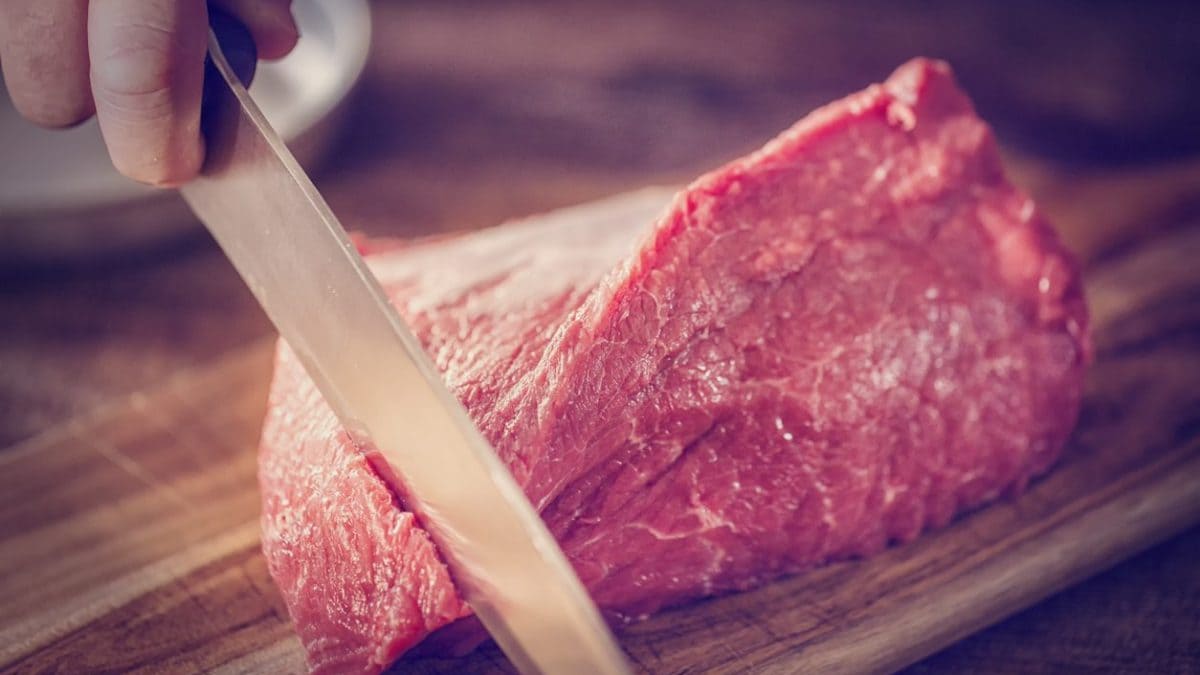
What do you expect from a meat dish? Beyond flavor, tenderness and juiciness, which provide a pleasant sensation on the palate. To make meat more tender, there are various techniques to practice, both before and after cooking: you can pound it with a meat tenderizer, marinate it, add salt, serve with a sauce, and even cut it the right way. This last "trick" is something butchers and chefs know well: it's called cross-grain cutting, and it's a method of slicing, especially steaks and cheaper cuts, to facilitate chewing. Let's see what it means and when it's useful.
What It Means to Cut Against The Grain and Why It Is Done
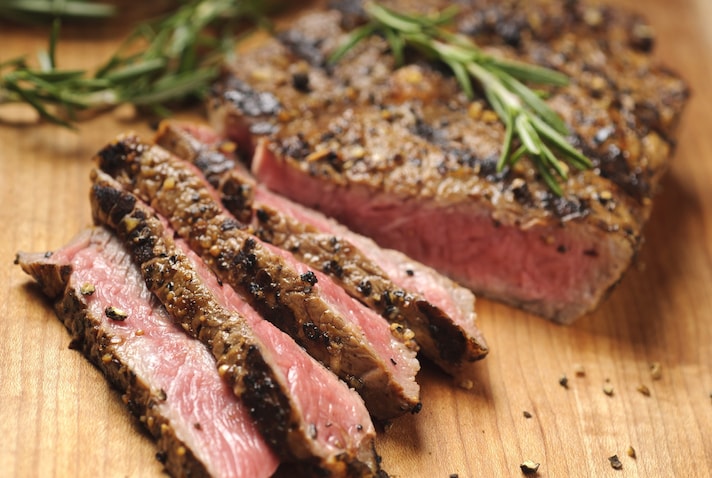
Meat is composed of muscle fibers arranged in parallel bundles that extend in a precise direction within the muscle and allow it to move. These fibers, sometimes more visible than others, are surrounded by connective tissue, which can vary in quantity and resistance depending on the cut and the type of animal, from beef to veal to pork. When you cut meat following the grain, the grain remains intact, creating a structure that requires greater force to break down during chewing. Conversely, if you cut against the grain with a nice sharp knife, that is, perpendicular to the grain, the grain is shortened into smaller segments, making the portion very easy to chew. This is where the “secret” of this technique lies: the advantage is therefore that of obtaining softer and juicier meat, in short, tender, as you would want from any bite, which will be very pleasant under the teeth because by interrupting the continuity of the muscle fibres, their resistance to the bite is reduced.
When Should You Cut Meat Against the Grain
We can already imagine that this cut isn't always strictly necessary: take a fillet, for example, which is already tender and doesn't require this attention, just as it's not necessary in braised or stewed dishes where the fibers break down due to prolonged cooking. For the cross grain, on the other hand, steaks in general are suitable, as they cook quickly so as not to become stringy while retaining their juices, roasts, or preparations that feature second-rate cuts, such as brisket, and other cuts considered cheap and poor, which tend to be tough in terms of consistency on the palate.
Cutting Chicken Meat Against the Grain
Cutting against the grain can be helpful for tenderizing not only beef, but also chicken. Cutting against the grain is particularly useful for less tender cuts of meat, such as chicken thighs and wings: by breaking down the muscle fibers, the meat will be more tender and easier to chew. In thicker cuts, in particular, cutting against the grain can promote more even cooking, preventing some parts from remaining raw while others dry out. Cutting against the grain also increases the surface area of the meat exposed to seasoning or marinade, allowing flavors to penetrate more deeply.
When to do it? As we've said, it's good for chicken thighs, wings, and breasts, especially if cooked whole or in large pieces. Even if you plan to marinate the chicken, cutting against the grain will help it absorb the flavors. This is especially important for recipes that call for tender meat: if the recipe calls for long cooking or a method that could make the meat tough, cutting against the grain is a good way to prevent this problem.
In particular, thighs benefit from cutting them against the grain, especially if they're boneless and open-faced; wings also benefit from cutting them against the grain, especially if cooked whole. Finally, cutting them against the grain can make chicken breasts even more palatable, especially if cooked whole and cut into slices or strips.

