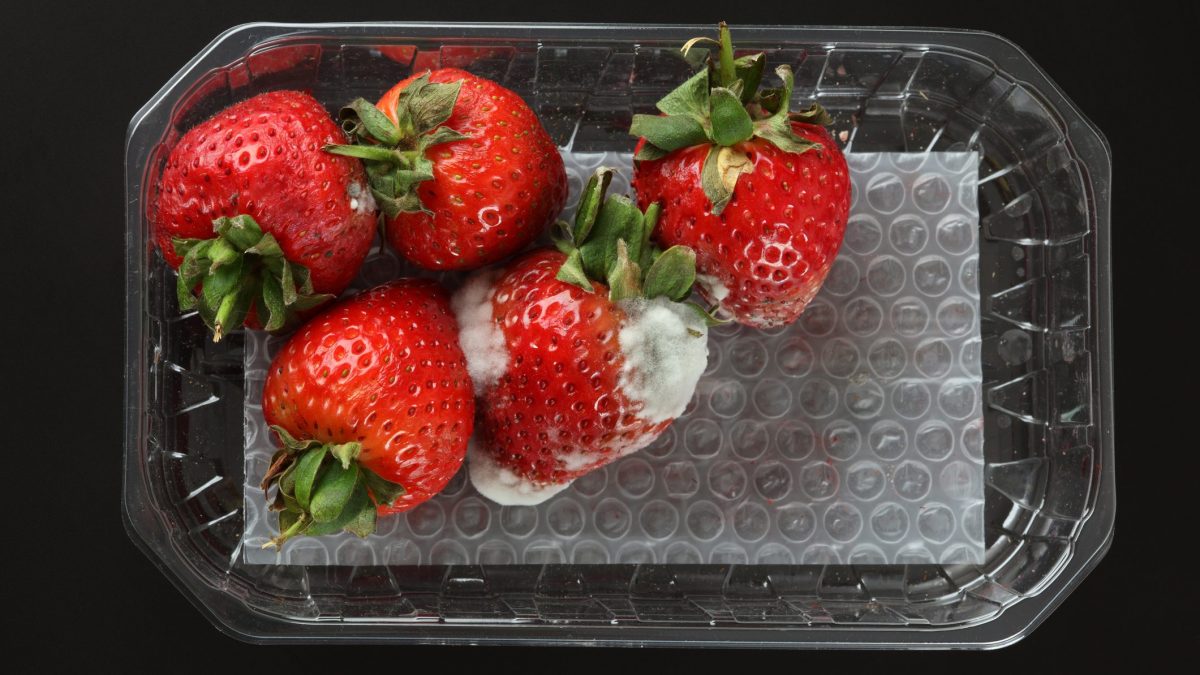
Finding mold on fruit can feel alarming. The fuzzy spots and discoloration certainly don’t look appetizing, and most people instinctively assume they’ve stumbled on something dangerous. But according to food and health experts, accidentally eating a small amount of mold from fruit is usually not a serious health risk for most healthy adults.
Dr. William Li, a physician-scientist and author of Eat to Beat Disease, notes that mold is more common in food than people realize. In fact, some molds are intentionally cultivated and safely consumed — the varieties that give cheeses like Brie or Roquefort their distinctive character are well-known examples. When it comes to fruit, however, mold is typically a sign of spoilage rather than something meant to be eaten.
Nutritionist Lisa Richards, author of The Candida Diet, explains that many people have likely consumed tiny amounts of mold on fruit without realizing it. In most cases, the body handles this without any noticeable effects. At worst, some individuals may experience mild digestive symptoms such as nausea, gas, vomiting, or diarrhea. Still, that doesn’t mean moldy fruit should be treated casually.

Who Should Be More Careful
Certain groups should take extra precautions when it comes to mold exposure. Registered dietitian Amanda A. Kostro Miller notes that people with weakened immune systems, older adults, and individuals with mold allergies may be more sensitive to mold spores and should avoid eating moldy foods entirely.
For those who are allergic to mold, even small amounts can trigger typical allergy symptoms such as itching, congestion, or respiratory discomfort. And while most fruit molds are relatively harmless, some species can produce compounds that may irritate the digestive system. In short: while accidental exposure usually isn’t dangerous, it’s still best avoided.
Should You Do Anything If You Eat Moldy Fruit?
If you accidentally eat a piece of moldy fruit, there’s generally no need to panic. Experts say the most important step is simply to monitor how you feel. Drinking fluids and continuing to eat normally is usually sufficient.
Some nutrition professionals suggest supporting gut health with probiotic-rich foods like yogurt, kefir, kimchi, or other fermented foods, which can help maintain a healthy balance of bacteria in the digestive system. But for most people, the body will handle minor exposure on its own.
If symptoms such as persistent vomiting, severe stomach pain, or allergic reactions occur, it’s best to seek medical advice.

How to Prevent Mold From Developing on Fruit
Because mold spreads quickly, prevention is often the simplest solution. Soft fruits — such as strawberries, raspberries, grapes, and peaches — are especially vulnerable because their delicate flesh allows mold to spread rapidly. A few simple habits can help extend their shelf life:
- Buy only the amount of fruit you expect to eat within a few days.
- Store fruit properly in the refrigerator when appropriate.
- Keep fruit dry and wash it just before eating, not before storage.
- Remove damaged or moldy pieces immediately to prevent spores from spreading.
Firm fruits like apples and citrus tend to last longer, but they should still be checked regularly.
;Resize,width=767;)
