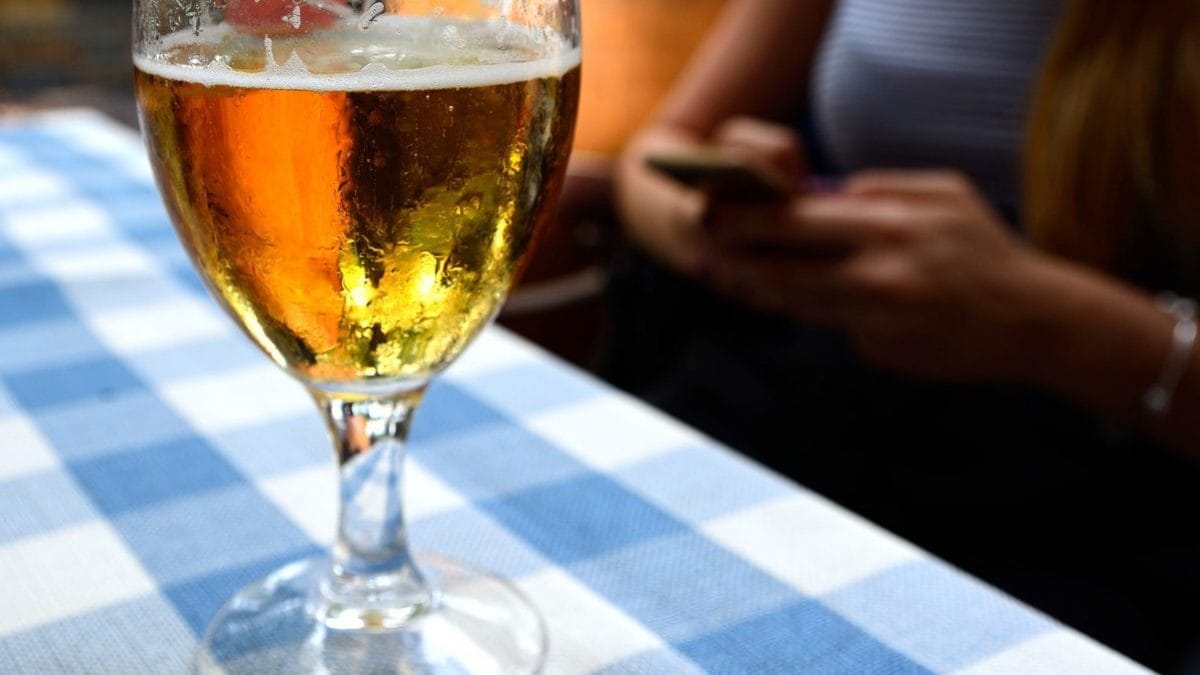
Have you ever noticed those curious circles of foam that remain on the glass as you sip a beer? They seem like insignificant decorations, but they say a lot about the quality of the beer and the glass it's in.
The characteristic lattice-like pattern of foam that sticks to the sides of the glass as you drink is called Brussels (or Belgian) lace: it is particularly visible in Belgian beers, from which they take their name, but can also be observed in many quality craft beers.
They're not just an aesthetic detail: today we'll explain what they are, why they form, and what they tell you about the beer you're enjoying.
What Is Brussels Lace?
Brussels lace is that peculiar lace-like pattern that the head leaves on the glass: these are white circles or semicircles that progressively form on the inside surface of the glass as the beer is consumed.
It's not just "embellishments": those lacy froths describe characteristics of the beer you're drinking and the glass it's in. For example, they indicate the stability of the head: beers with weak head will leave a light trail, so there won't be any lacy froths.
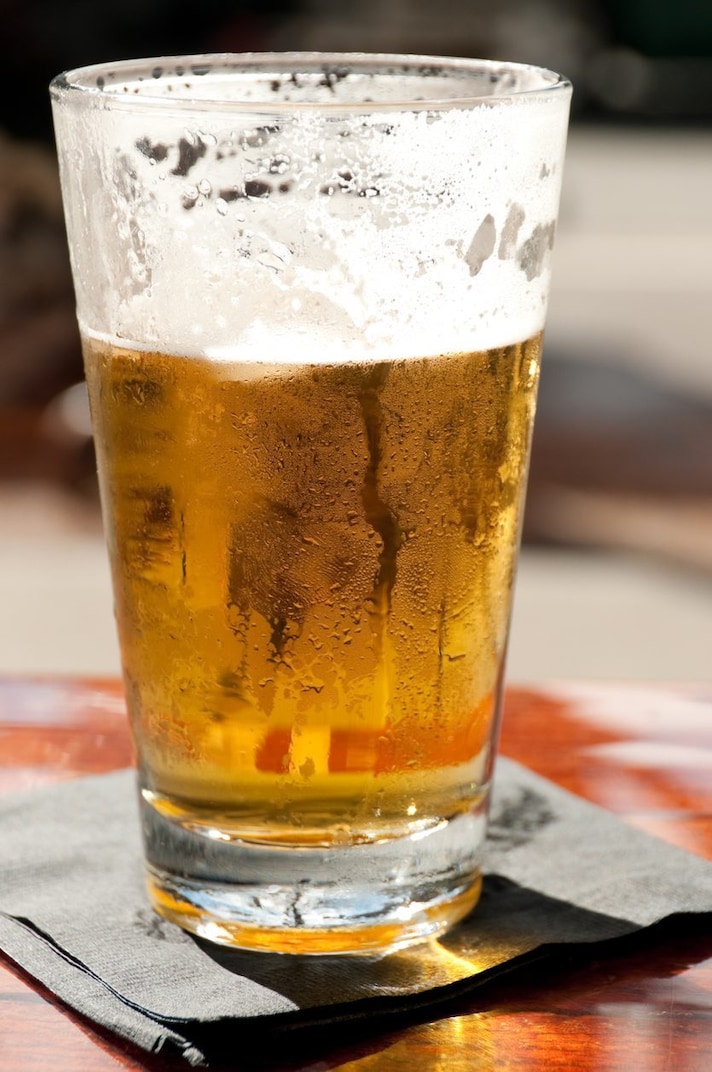
They can also reveal whether the glass is truly clean; in fact, if there are residues of grease or soap, the foam won't adhere well and, consequently, the lace patterns won't form. On the contrary, a flawless glass favors the formation of well-defined lattices.
Finally, a consistent head that creates many lacy bubbles favors the gradual release of aromas, enhancing the scents and flavors of the beer: it is a sign of quality, both of the product and of the service.
Why Do They Form?
But why do these lace-like patterns form on the walls of the glass? This phenomenon is clear evidence of the complex balance between beer, foam, and the glass's glass surface.
At the heart of the process is a thin layer of foam, held together by malt proteins and aromatic substances from hops, which act as a natural glue. When you pour the beer, this layer forms and adheres to the glass; sip after sip, as the beer level drops, the more resistant foam remains attached to the glass, forming delicate lace-like patterns. If the glass is thoroughly cleaned, the foam adheres better and the lace is more defined; if there is debris, the foam slides away and the pattern doesn't form.
Essentially, Brussels lace is a sign that the beer is well-made and the glass is impeccable. And it also provides a beautiful visual reminder as we savor our beer, one sip at a time.
;Resize,width=767;)
