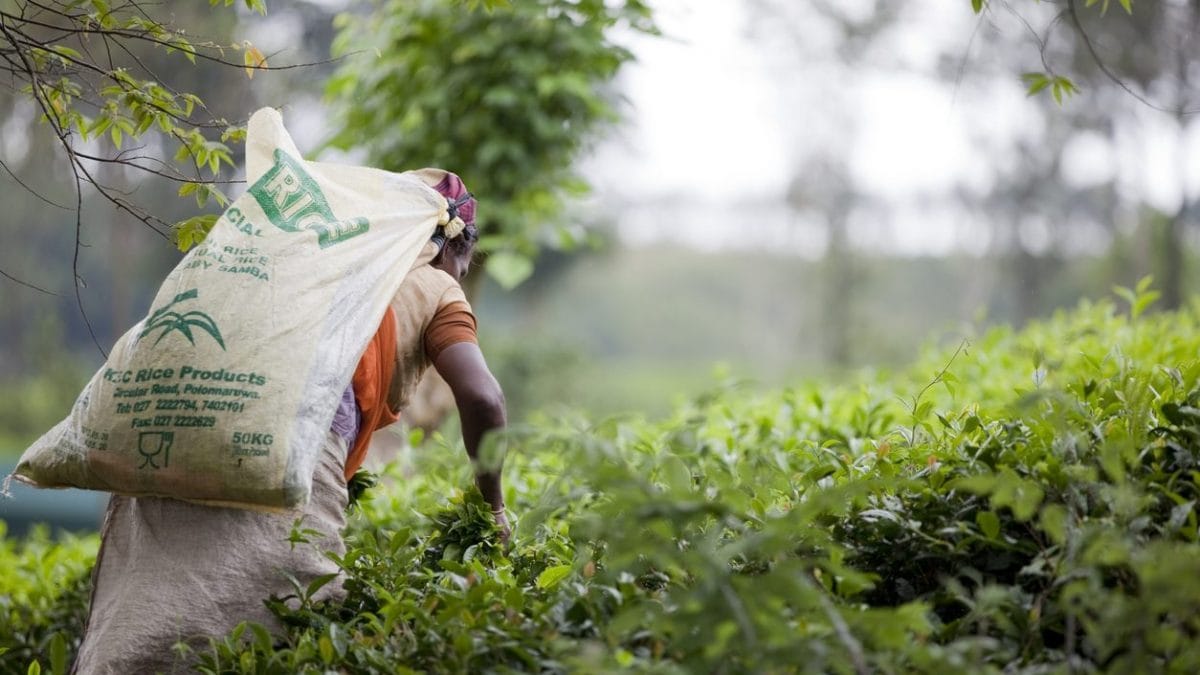
In recent years, a collective consciousness has been growing, aimed at improving the health of the world we live in, as well as the well-being of the producers who drive trade and the workers whose labor makes that trade possible. All this translates into fair trade, a social and economic movement that promotes social justice, environmental sustainability, and democratic participation in the production, distribution, and consumption of goods and services.
Born in response to the inequalities and injustices of the international trade system, which often penalizes less economically developed countries and their local economies, it seeks to counter the profit maximization practiced by large-scale retail chains and large-scale manufacturers. For this very reason, one of the hallmarks of this trade is to sell products directly to the end customer, limiting the chain of intermediaries.
To promote this and many other goals at the heart of the movement, Fair Trade is based on a series of principles and criteria, as well as the development of international networks of like-minded producers and consumers. How does all this translate into the practical sale of products, what does it mean for consumers, and, above all, how does it apply to the food sector? Let's discover together everything there is to know about Fair Trade, a movement that is increasingly important, so much so that it has its own World Fair Trade Day, celebrated every second Saturday in May.
What is Fair Trade?
Fair trade, known internationally as Fair Trade, is a form of commerce proposed by a movement of the same name to achieve fairer working and trading conditions for producers, especially in developing countries, and to protect the environment. It is also based on principles such as respect for workers' rights, transparency in trade relations, environmental sustainability, and the promotion of community economic development. The words "fair" and "fair trade" that make up its name are both very important for understanding the basis of this concept.

It is defined as "fair" because it establishes a direct relationship between producers and those who market their products—namely, import centers and shops —limiting intermediaries as much as possible. It also seeks to recognize a fair price for the work performed by producers, so that they are not victims of a market focused solely on profit. Therefore, in this type of trade, the price of products is not determined by market rules but rather agreed upon between producers and import centers, following product quality criteria and recognizing the dignity and work of those who produce them.
The term "solidarity" is linked precisely to this: this type of trade aims to guarantee dignity and fair compensation for workers, ensuring a safe working environment. Moreover, its core lies in the close and ongoing relationship between those who market agricultural and artisanal products and those who produce them, thus creating a "solidarity" that allows producers to cover production costs and earn a decent income.
Finally, the fair trade movement also aims to protect the environment by promoting the use of sustainable production methods, such as organic farming, and seeks to reduce the environmental impact of product production and transportation. Fair trade affects not only workers and producers, but also us consumers: its aim is to increasingly spread the concept of "conscious consumption," a form of consumption that considers not only the price and quality of products, but also their social and environmental impact.
Fair Trade's Birth and Growth
The first ideas related to fair trade began to spread at the end of the 1940s, but it still could not be defined as a real movement: it was, more than anything, spontaneous initiatives by groups of European missionaries and volunteers who began importing manufactured goods and food products produced by local communities in Africa, Asia and Latin America.
It was in the 1960s and 1970s that these early experiences translated into a more structured movement: it was precisely during this period that the very first fair trade organizations began to emerge (for example, Oxfam, SERRV, and Ten Thousand Villages). These organizations focused on importing and selling artisanal products and food produced by producer communities in the Global South, guaranteeing them fair and sustainable prices.

The movement experienced significant growth in the 1980s thanks to the emergence of truly international networks of fair trade producers and traders; in particular, the World Fair Trade Organization (WFTO), an international federation of fair trade organizations, was founded in 1898. Its mission is to promote fair trade as a tool for sustainable development.
In the 1990s and 2000s, fair trade expanded further, reaching an ever-growing audience of consumers sensitive to issues of social justice and environmental sustainability. Today, fair trade is present in over 70 countries around the world, involving thousands of fair trade producers and traders.
How Does All This Translate From a Consumer Perspective?
It is clear that fair trade, when applied correctly, is a great benefit for producers and workers, particularly those in countries considered "developing" (Africa, parts of Latin America, some parts of Asia, etc.). But what advantages does it bring for the consumer?
First of all, those who buy Fair Trade products have the opportunity to purchase quality products, sustainably produced without exploiting either the environment or the people who worked on them. They have the certainty of paying exactly for what they will consume, without the price being set by a global market, and they also have the opportunity to contribute to improving the lives of others. An important aspect of the Fair Trade program, in fact, includes the "fair trade premium," a sum of money paid by consumers for Fair Trade products that is allocated to development and support projects.
This money, a sort of "quota," is used to finance projects that improve the living conditions of producers, fund sustainable development projects, or improve working conditions at production sites. In this way, fair trade not only guarantees a fair price for producers, but also contributes to their long-term social and economic development.

What Foods Can You Actually Buy?
Fair trade products are numerous and include a wide range of goods, often particularly textiles, handicrafts, and raw materials, but a large portion of trade also involves food. Fair trade is one of the movement's most important sectors, and the range of food products offered is growing, including coffee, tea, cocoa, spices, sugar and cane sugar, fruit, vegetables, rice, and grains.
Typically, the products are sold in specialized shops, online stores, and even some supermarkets, and you can recognize them by a specific certification: Fairtrade is the global guarantee mark for fair trade food products. Therefore, if you find it on a food, it means it has been produced in compliance with internationally agreed-upon social, environmental, and economic standards. Remember that the mark does not certify organizations, but rather the products of companies that do not have fair trade structures and protocols themselves but meet the established criteria. Therefore, it may also be found on products marketed by multinational brands and companies (as was the case with Nestlé coffee, certified by Fair Trade UK).
If you really want to be sure of avoiding multinationals, you can refer directly to the portals of what are called import centers, that is, the organizations directly involved in fair trade: they are the ones that deal with the import and distribution of products, are committed to providing producers with support in the implementation of projects and, if requested, accompany producers in their production and economic choices.
There are countless of them, both internationally and in the U.S., some specializing in a single product category, others encompassing multiple sales areas. Fairtrade International is one of the best-known brands promoting fair trade, while Divine Chocolate is a British brand that has become known for producing fair trade chocolate (but beware of the world of fair trade chocolate, as it still has several limitations).
In the United States, the fair trade landscape is shaped by several prominent organizations and certification bodies that focus on ethical sourcing and sustainability. The largest and most recognized organization is Fair Trade USA, which works with businesses, farmers, and artisans to ensure that products are sourced under fair labor conditions, with sustainable practices. Other key organizations include Fair Trade Federation, which certifies businesses committed to fair trade principles and supports the growth of socially responsible businesses in the U.S.
There are also various specialty shops and importers that focus on offering fair trade products, including artisan goods, food, and clothing, often sourced from developing countries and ensuring that producers are paid fair wages. These products can be found in grocery stores, online shops, and local boutiques, especially in areas with strong eco-conscious or socially responsible consumer bases. Additionally, the World Fair Trade Organization (WFTO) has an impact in the U.S., promoting the certification of producers and businesses committed to fair trade values.
;Resize,width=767;)
