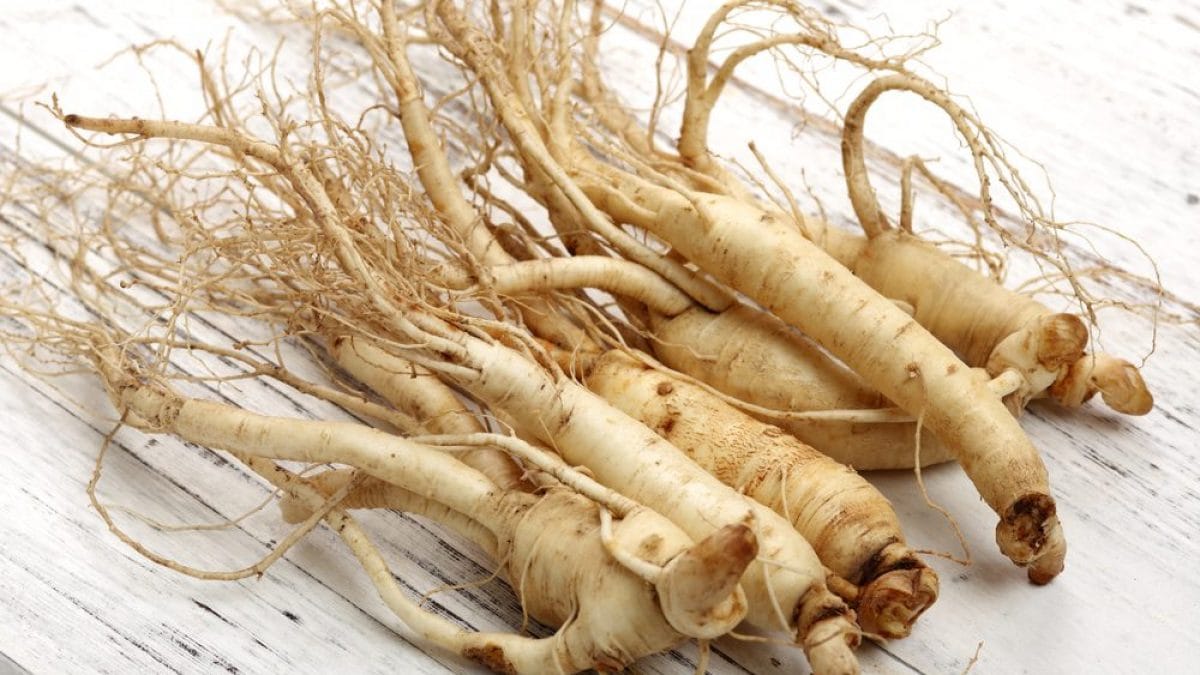
Ginseng is a plant used for centuries in traditional Asian medicine, particularly in China and Korea, known for its ability to support the body in times of physical and mental fatigue, useful for combating stress and as a support for the immune system. It belongs to the genus Panax, a word that derives from the Greek and means "cure for everything", as well as in its Latin meaning panacea, or universal remedy for all ailments.
The term ginseng refers in particular to the roots of numerous species of the Araliaceae family and the two main ones found on the market are classified according to their origin: the so-called Korean ginseng (Panax ginseng) and the American ginseng (Panax quinquefolius), native to the United States and Canada. It's not a real food, but what's called a functional ingredient: it can be found in the form of dried root, extract, capsules, powder, and herbal teas.
Ginseng's Properties and Benefits
Ginseng, especially Asian ginseng, has been the subject of numerous studies over the years, highlighting its composition. It shouldn't be considered a source of macro and micronutrients—and therefore isn't significant in terms of calories, proteins, fats, vitamins, etc.—but it does prove to be an interesting product from a phytotherapeutic perspective due to the presence of particular substances called ginsenosides, or saponins, which constitute its active ingredient. These substances are complemented by polysaccharides, peptides, and amino acids, whose combined action gives rise to the many benefits attributed to this plant.
Combating Physical and Mental Fatigue
Ginseng is considered a tonic-adaptogen plant, meaning it acts as a natural support for stress and physical and mental fatigue. Several studies suggest that its intake can help manage anxiety and depressive states caused by chronic stress, as well as improve overall mood.

Ally of The Immune System
Why is ginseng often recommended during the winter or at times when defenses tend to be low? Simple, because its ability to stimulate the immune response to infections and microbial attacks is known, increasing the activity of certain cells involved in the body's defense mechanisms.
Support of Cognitive Functions
Recent studies have strengthened the theory that some ginsenosides have a positive effect on memory, attention, and mental processing speed as neuroprotectors. Ginseng could potentially play an important role in combating age-related cognitive decline and be used in the treatment of early-onset Alzheimer's disease.
Glycemic Control
The beneficial effects of ginseng have also been associated with the treatment of type 2 diabetes, a metabolic disease characterized by high blood sugar levels. Indeed, it appears that ginsenosides may help improve insulin sensitivity and slightly reduce glucose levels, but this hypothesis requires further study.
Friend of The Heart
Ginsenosides may have a beneficial effect on various aspects of cardiovascular health: they are antioxidants and anti-inflammatories and improve blood circulation, protecting the heart from coronary ischemic damage and oxidative stress, although more scientific evidence is needed.

Side Effects and Contraindications
Ginseng's worst enemy? Ginseng itself. In fact, the side effects are (almost) all linked to taking it in high, excessive quantities, or for too long. The most common disorders include insomnia, nervousness, headaches, and gastrointestinal problems, similar to those that can arise from an overdose of stimulants like caffeine.

For this very reason, it's not recommended to consume it in the evening before bed. Furthermore, it can interact negatively with anticoagulant, hypoglycemic (diabetic) and antidepressant medications. If you suffer from chronic conditions, are pregnant or breastfeeding, you should consult your doctor. Ginseng coffee should also not be underestimated: although it's a blend of instant coffee and root (dry extract) containing a minimal trace of caffeine, the preparations also include cream (or a plant-based substitute), sweeteners, and flavorings, so it's best to drink it in moderation.
;Resize,width=767;)
