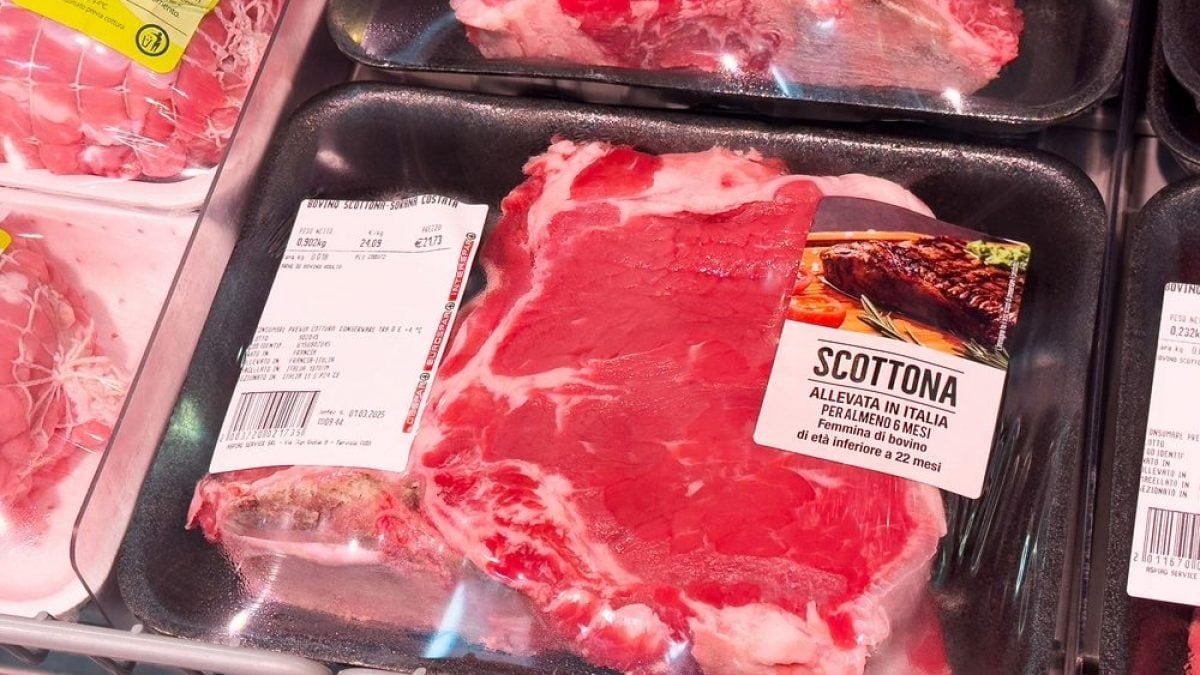
On restaurant menus, butcher shop blackboards, and even supermarket advertisements, the term "heifer" appears more and more frequently, almost as if it were an implicit guarantee of quality. The name immediately conjures up images of succulent, tender, and flavorful steaks. But behind this word—so familiar yet so poorly explained—lies a precise classification of the bovine world, not without misunderstandings and false myths. Heifer is not a breed, as many believe, nor a breeding technique: it is a definition that relates to the age, sex, and physiological state of the animal. A technical term that, in recent years, has become a veritable commercial label, often used as a synonym for premium meat. And rightly so.
But what makes heifer beef truly special? What are its true characteristics? And above all: how can you recognize it and best use it in the kitchen? In an era where consumers are increasingly concerned about the origin and quality of their food, clarifying these aspects is crucial. Because choosing wisely also means cooking better.
What is Heifer?
The term heifer refers to a young female bovine, generally between 15 and 22 months old, that has never given birth. This condition has direct implications for the quality of the meat: the animals, not having given birth, have softer muscles and optimal marbling, or a light infiltration of fat between the fibers, which guarantees flavor and juiciness during cooking.
This product category is not tied to a specific breed, although some beef breeds (such as Chianina, Piemontese, or Limousine) produce particularly valuable heifer. Classification is based on the animal's age, sex, and reproductive status, and is governed by slaughter regulations.
This selection ensures that the heifer meat has well-defined characteristics:
- High tenderness: the muscle fibers are fine, and the meat is less tough than that of adult cattle.
- Marbling: the presence of intramuscular fat, important for keeping the meat moist during cooking and for giving it flavor.
- Bright red color: this is an indicator of freshness, with white or slightly pink fat.
- Balanced flavor: neither too delicate like that of veal, nor strong like that of adult beef.
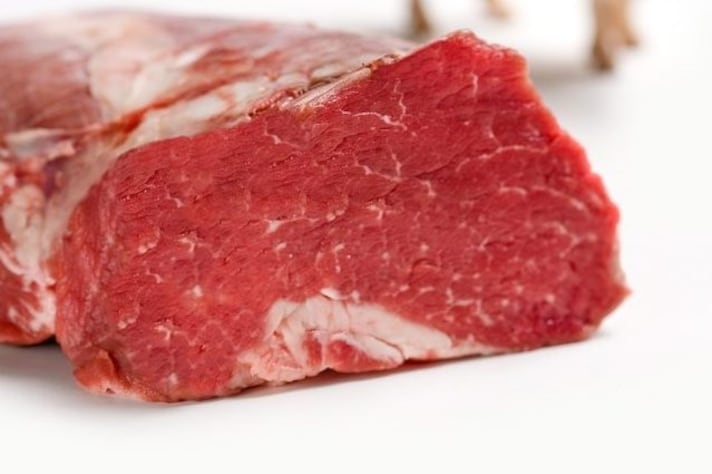
Heifer: Between Real Value and Marketing Strategy
In recent years, the term "heifer" has become increasingly central to food marketing. Although it indicates a specific organic category, the word is often used as a quality label, regardless of rigorous product control. The allure of the name—immediately associated with tenderness and goodness—has made "heifer" a veritable unregistered trademark.
The problem is that, in the absence of official certification or shared specifications, the definition can be applied too liberally, especially in large-scale retail trade. This poses a real risk: the term ends up losing some of its original value, becoming a mere promotional tool. While this popularity has brought quality meat to a wider audience, it has also created expectations that aren't always reflected in the actual product purchased. To maintain credibility and transparency, a more rigorous use of the term would be desirable, supported by controls, traceability, and clear communication throughout the supply chain.
Recommended Cuts and Preparations For Culinary Uses
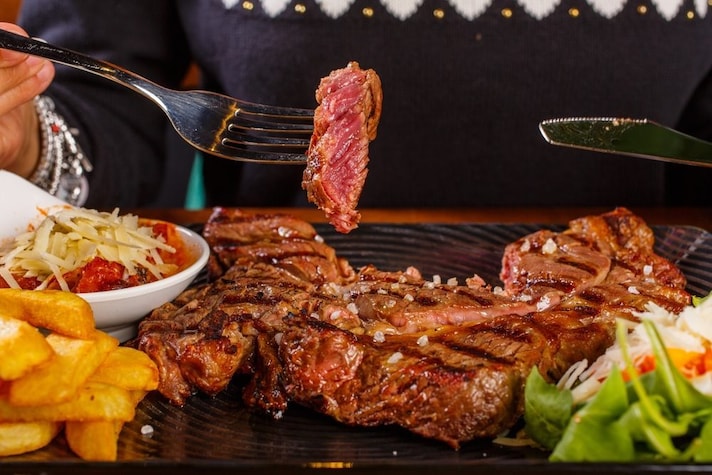
One of the reasons heifer beef is so popular, even outside of professional kitchens, is its great versatility. The tender yet structured meat lends itself well to a variety of preparations and achieves excellent results even with simple cooking methods. The finest cuts —such as fillet, sirloin, and rib-eye —are ideal for grilling or griddling, where they can best express the natural tenderness and delicate flavor typical of this meat. A sliced steak served with arugula and parmesan shavings, for example, is a classic that continues to work precisely because it showcases the raw material without complications.
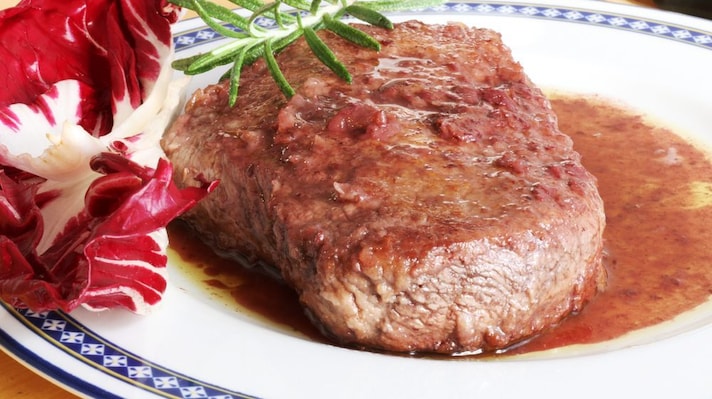
But heifer isn't just for quick cooking: some cuts, like the rump, the flank, or the chuck, are also perfect for roasts, braises, or stews. The meat holds up well to long cooking, absorbing aromas and retaining its texture without becoming stringy. Even when ground, as an ingredient in a burger or ragù, it can add a touch of flavor thanks to the perfect amount of fat that ensures succulence. Essentially, it's a meat that offers a lot and demands little: just cook it carefully, without masking its flavor, to bring truly delicious dishes to the table.
;Resize,width=767;)
