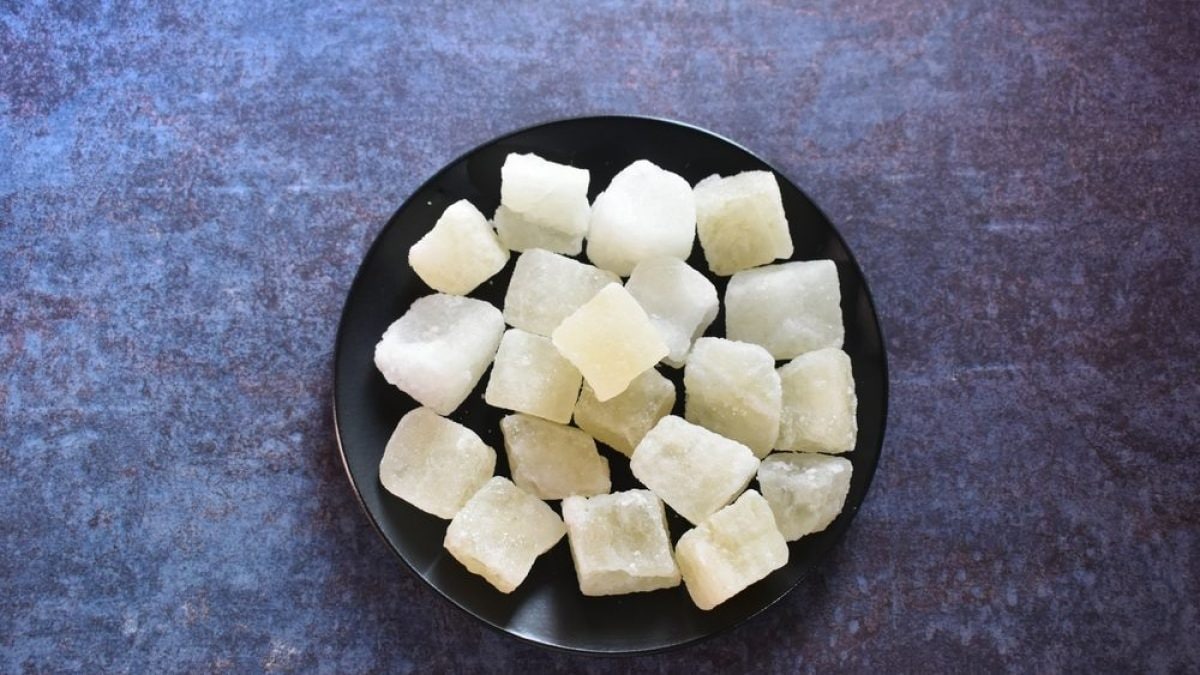
How many times have you used or heard someone use the expression "manna from heaven"? This expression is very common when it refers to the arrival of a fortunate, providential, and totally unexpected event that can change the course of a very unfavorable situation. But we're sure the origin of this very popular saying will leave you speechless: manna is a food product.
It is, in fact, a sugary resin extracted from the bark of ash trees, trees that grow at medium-low altitudes in a vast area stretching from the Iberian Peninsula to Asia Minor and is also widespread in Italy throughout the peninsula and on the islands. The cultivation of this plant took root in Sicily in particular, where it was introduced by the Arabs in the 9th century AD, and it is likely from them that the Sicilians learned to produce manna.
It's no coincidence that the saying we've been discussing, "manna from heaven," comes from the Bible, specifically the Book of Exodus. This episode tells of how God fed the Jewish people fleeing Egypt during their journey across the Sinai Desert by sending a grainy, sugary substance down from the sky: manna. This not only illustrates the origins of a saying, but also demonstrates how the natural sweetener extracted from ash trees has been a prized agricultural product for millennia.
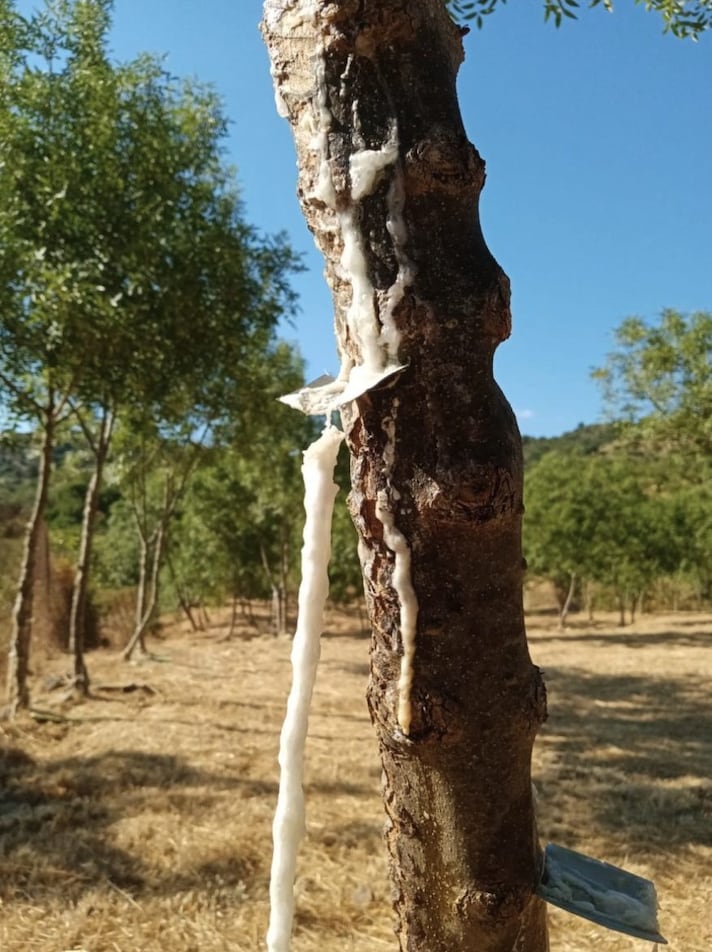
Even today, centuries after the Arabs brought the ash tree to Sicily, manna is produced in the Madonie Park area, according to a ritual that has been handed down from father to son and which over time has created an important economic resource, especially in demand by the pharmaceutical and confectionery industries.
Where Manna is Produced
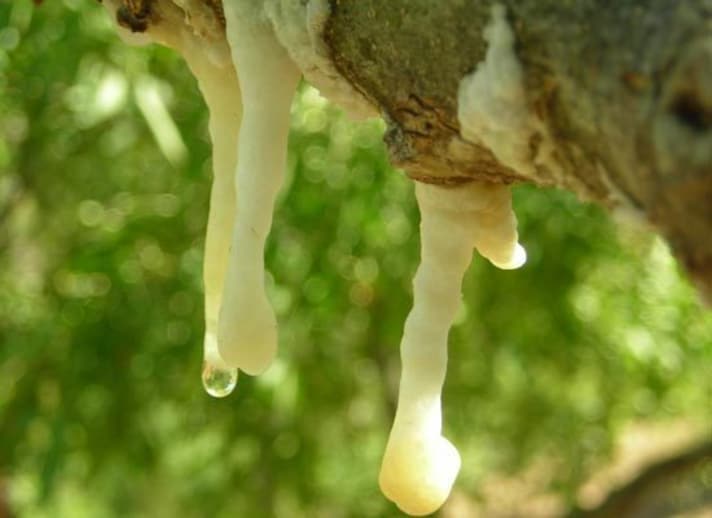
Manna, also known as Manna delle Madonie, is a natural sweetener obtained from the sap of ash trees, whose bark is incised so that the liquid solidifies on contact with air, creating whitish cone-shaped encrustations, similar to stalactites.
This very sweet food owes part of its name to its production area: it is produced only in Sicily, precisely in the Madonie Park, a flourishing area about 90 km from Palermo characterized by a summer climate with high temperatures, small temperature variations and low humidity which is ideal for the growth of the ash tree.
The connection between manna and Sicily is ancient: this product has been widespread in the Mediterranean since the time of the Greeks and Romans, who called it "dew honey," but it officially became established in Sicily at a production level around the 9th century AD, when the Arabs brought it to the island. Thanks to the favorable climate, a large part of northwestern Sicily was soon devoted to the cultivation of manna ash trees, an activity that over the centuries spread to the central and southern regions of the Italian peninsula.
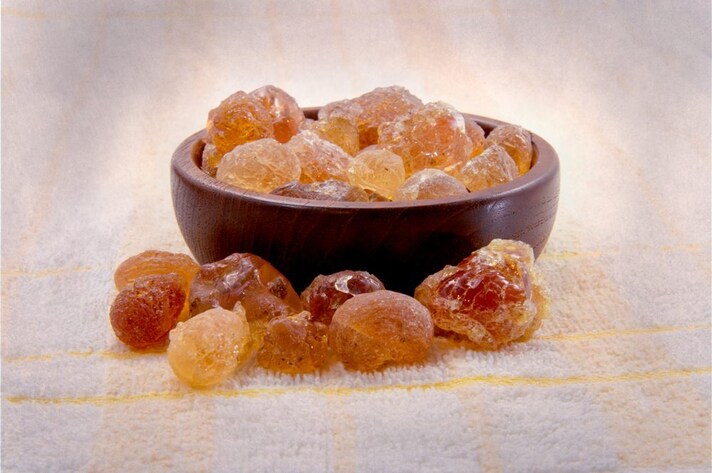
This unique product became a real economic resource for Sicily, with great demand from the pharmaceutical and confectionery industries until the 1950s. However, after World War II, the discovery of synthetic mannitol diminished demand for the natural product, which was much more expensive because it was harvested by hand, and almost led to the disappearance of this ancient crop. Consequently, the cultivation of manna ash trees declined rapidly, remaining active only in the areas of Castelbuono and Pollina, two towns within the Madonie Park.
Precisely to preserve this ancient manna tradition, the Manna Madonita Consortium was established to ensure the continuity of production, oversee the care of the ash trees, and harvest the manna, respecting the rhythms of the seasons. The conservation project also includes an annual festival, held in the last week of August in Pollina, and the Ethno-anthropological Museum of Manna, which houses the most significant tools of artisanal and rural activity, still used today for harvesting.

Manna's Harvesting and Production
Gathering and producing manna is a true profession: it's called mannaluòro and today involves a handful of local experts, who have inherited the art of extracting and processing manna—entirely manual and artisanal—from their ancestors. The production and harvesting techniques have remained unchanged over time: at no stage of the production cycle are potentially polluting factors or those capable of altering its characteristics.
Manna is harvested in July and August, a period when the ash trees are said to "sweat" their resin: in summer, the trees have the right concentration of sugars to crystallize. The first step involves carving a notch in the bark with a special curved-blade knife, always using the same side of the trunk. Metal channels, to which a taut nylon thread is attached, are inserted into the incisions made in the bark (the "ntacche"), which are between 5 and 10 cm long.
In this way, when the sap flows out and comes into contact with the air, it solidifies and takes on the typical cylindrical shape reminiscent of a cannoli. At this point, the manna is collected using a rasula, which scrapes the manna from the furrows in the bark, while a prickly pear leaf collects the part that drips to the ground. The small cylinders undergo two drying phases, the first immediately for about twenty days and the second in September, after which the manna is ready for sale.
Manna's Properties and Benefits
Already known in ancient times – Frederick II wrote about it in a document from 1239 – manna has always been appreciated in medicine for its precious detoxifying, digestive, and diuretic properties, which are still recognized today, so much so that it is a highly prized ingredient in herbal medicine. Manna, in fact, is rich in trace elements with strong detoxifying power, making it particularly suitable for cleansing the liver and kidneys. It also contains mucilage that regulates the intestines and has laxative properties.
Manna is also rich in other antioxidants such as mannitol and organic acids, which are essential for strengthening the immune system and promoting the elimination of waste and excess fat, making it an excellent ally for weight loss. Furthermore, manna also has soothing and emollient properties, which is why it is used in the cosmetics industry as an active ingredient in moisturizing creams and shower gels.
How to Use Manna in Cooking
From a nutritional standpoint, manna is a completely natural sugar substitute, with a very low glucose and fructose content, making it suitable for diabetics, especially since its composition helps better control blood sugar spikes. In the kitchen, manna's primary use is as a sugar substitute, not only to sweeten drinks but also to prepare sweet recipes: you can use it to make everything from cakes and cookies to ice cream and puddings. In the villages that are the heart of manna production, Castelbuono and Pollina, many have used manna as an ingredient in preparing authentic local specialties: for example, the Fiasconaro company offers the Oro di Manna panettone with "mannetti" and manna spread, and some local chefs have also included manna as an ingredient in their dishes.

