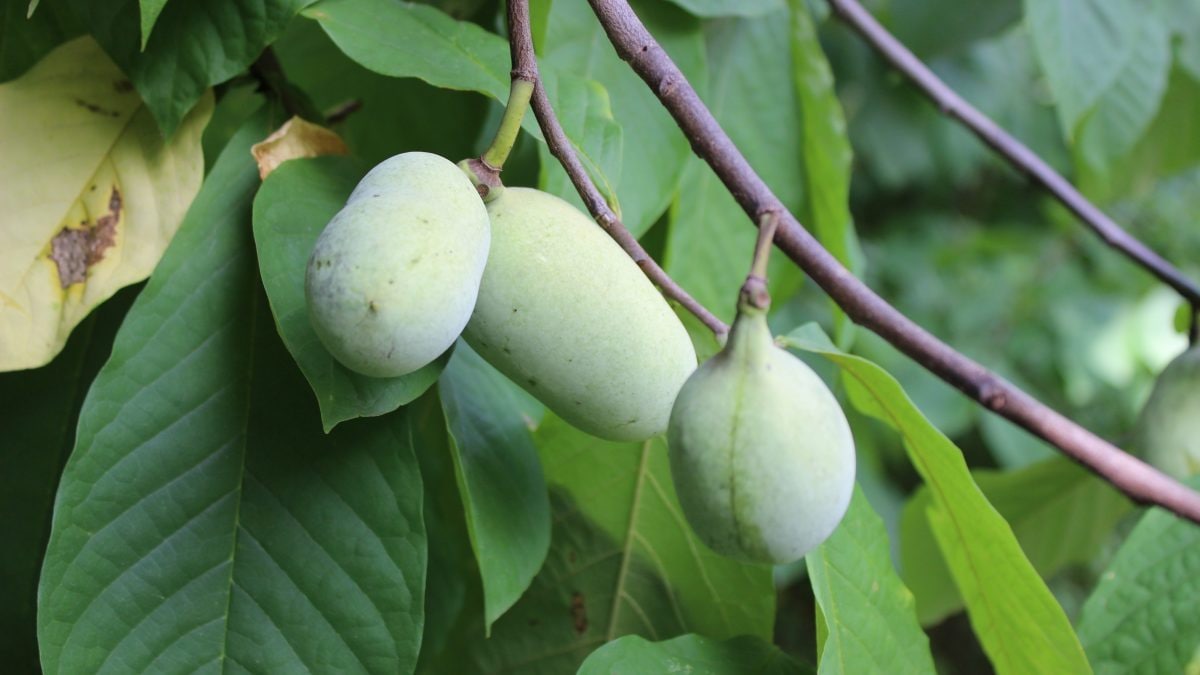
If it seems strange to you that a banana tree can grow at temperatures between 14 and -4°F/-10 and -20°C, perhaps you've never heard of the mountain banana, also known as the northern banana. Despite its name, its fruits are not typical of tropical environments; on the contrary, this plant loves the cold, harsh temperatures, and prefers a scarf and woolen gloves to a swimsuit and suntan. It's no coincidence that the name "mountain" reflects its highland origins. It is therefore more comfortable in freezing temperatures than in the sultry, equatorial heat.
According to fossil evidence, the plant dates back at least 5 million years (the time when the first monkeys began to walk upright), native to the cold regions of the United States (where today it is also known as pawpaw, from the name of a native tribe that used to eat them) and imported into Europe, specifically England, in the late 1700s. Having remained somewhat under the radar for a very long time, in recent years it has also become popular in other countries, where the number of its cultivations is gradually increasing. In addition to producing fruit, the plants are also used for ornamental purposes, due to their moderate size and elegant foliage. It was evidently a long journey, in terms of time and space, that brought the mountain banana from its native areas to us, but today it is a fruit that is not uncommon to find in many gardens (public and private) or supermarkets.
For once, we're not talking about a strange food that's starting to spread from remote regions of Asia to our country, but about a fruit with all the right credentials to be consumed (almost) like the traditional banana. But what makes the mountain banana so special? The name is a first clue: it's a plant capable of adapting to even particularly cold areas, with harsh temperatures, and for this reason it's highly resistant to less than hospitable climates. No tropics or enchanted islands, the mountain banana comes from the rugged forests of the central-eastern regions of the United States, particularly Nebraska and Louisiana. It's also present in the Great Lakes region, bordering Canada.
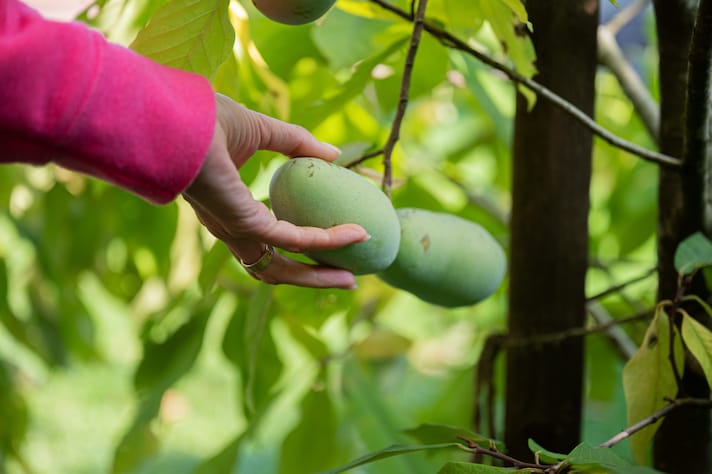
A key aspect of their care is to pay attention to temperature: while the trees can withstand very harsh climates (down to -4°F/-20°C), the situation is different when it comes to heat, which is particularly difficult. In essence, the exact opposite of traditional banana trees.
Mountain Banana's Nutritional Properties
Mountain banana fruits contain a fair amount of protein, making them ideal (along with avocado and coconut) for athletes. This composition benefits muscle building or energy recovery after intense exercise. 100 grams of product contains 70 grams of water, with carbohydrates, sugars, and protein making up the remainder. Bananas are also rich in minerals, with a strong concentration of magnesium, potassium, and phosphorus. Oleic acid and amino acids are among the other nutrients found in the fruit, as well as vitamins A and C.
What Does Mountain Banana Taste Like?
To fully appreciate its flavor, bananas should be picked when they're perfectly ripe. This is a rather short window of opportunity, as the fruit then tends to spoil quickly (it doesn't keep for more than 7-10 days). Specifically, what does mountain banana taste like?
On the palate it is very sweet, vaguely reminiscent of a rather ripe banana (hence its name) or tropical fruits like mango. Due to its very sugary flavor, it was a particularly popular food for George Washington, who is said to have enjoyed it iced as a dessert.

How do you eat it? Split the fruit in half and scoop out the bright yellow pulp with a teaspoon to enjoy it pure, but it can also be used as a base for smoothies, jams, and extracts. Be careful, however, with the seeds (there are about ten of them, easily identifiable, resembling elongated beans): it's best to remove them from the fruit, because if ingested and bitten, they release toxic substances (from within the seed) that could cause abdominal pain. However, if swallowed whole, they are harmless, as gastric juices cannot break down the outer shell.
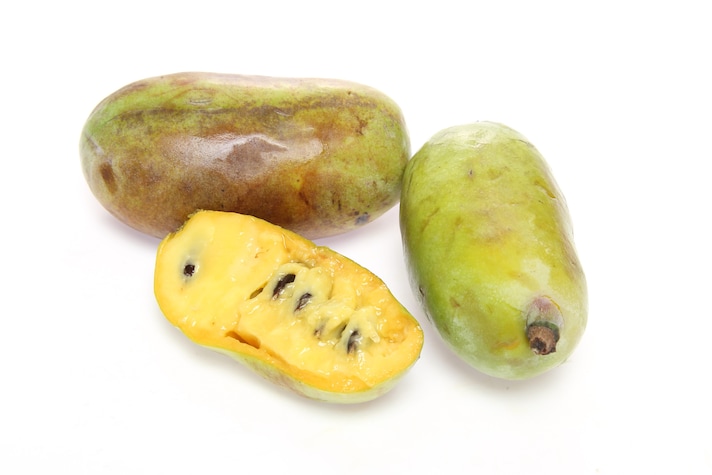
Also be careful about excessive consumption of the fruit: a study from a few years ago highlighted a high quantity of annonacin in the pulp, a substance that in the long term can cause neurotoxic damage.
;Resize,width=767;)
