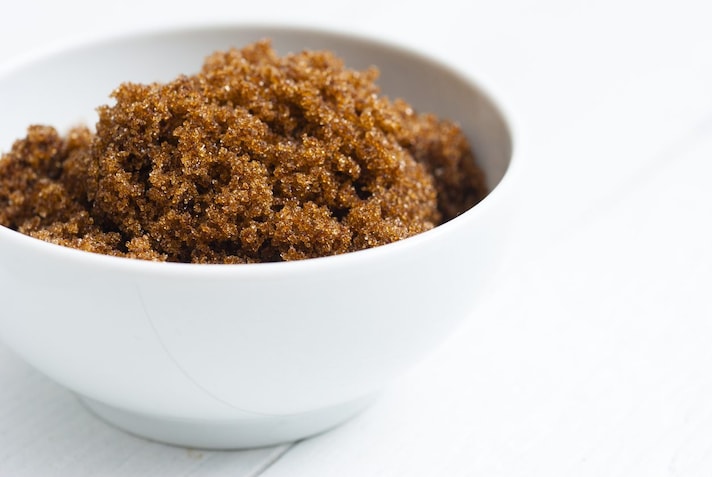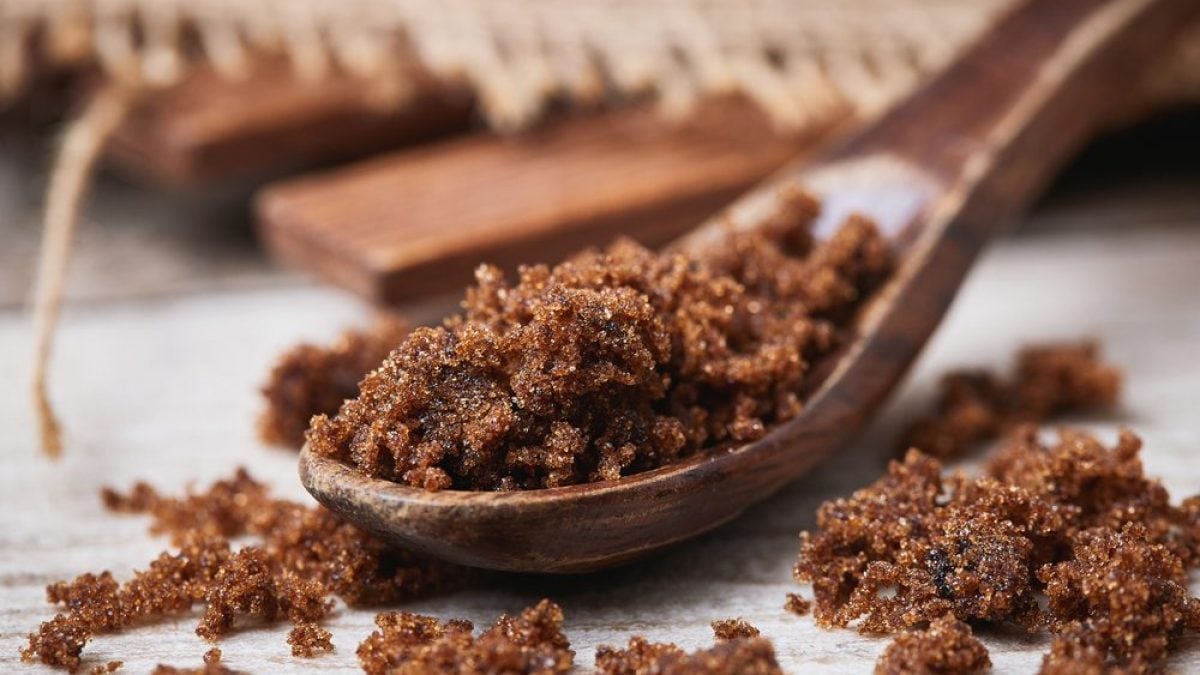
Among the various types of sugar existing in the world, there is one that is more niche than other varieties, yet with truly interesting properties: muscovado sugar, also known as mascobado sugar, a particular type of raw whole cane sugar originating in the Philippines; the term "mascobado" in Filipino actually means "sugar extracted from cane." Characterized by a dark color and an intense flavor, due to the presence of molasses, muscovado sugar is widely used in Indian tradition to sweeten hot and cold drinks or in pastry recipes, but it is also a good source of vitamins, the result of the production process that does not involve refining. Here's everything you need to know about this Philippine sugar, how to use it, and where to find it.
What is Muscovado Sugar?
Muscovado sugar, also known as mascobado, Khand, or Khandsari, is a raw, organic cane sugar native to the Philippines, obtained from sugarcane juice evaporated until crystallization occurs. It is therefore a raw sugar that undergoes no processing or chemical processes, which is why it has very distinctive characteristics that set it apart from other types of sugar: first of all, it is very dark in color, has a rather moist consistency, has an intense molasses flavor, and a scent reminiscent of licorice.
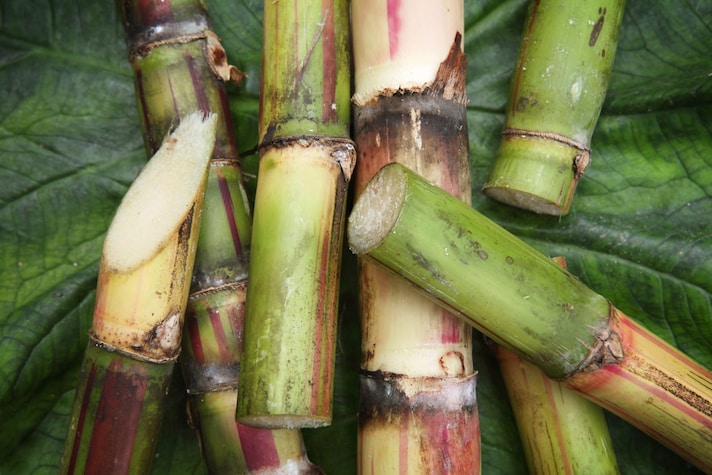
What's more, thanks to the complete lack of processing, this sugar retains almost all of its nutritional properties intact and, compared to common granulated white sugar, contains a higher percentage of minerals, particularly iron, magnesium, potassium, and calcium. For this very reason, in recent years, those following a healthy and balanced diet have been using mascobado as a "natural" substitute for more refined white sugar.
Muscovado Sugar's Properties
Muscovado sugar has a very interesting nutritional profile, with beneficial properties for our body that, as mentioned, remain virtually unchanged in the product due to the lack of processing. Philippine sugar is especially rich in minerals and vitamins, particularly B vitamins, elements that are usually lost during the refining of other types of sugar. It is low in fat and has a slightly lower glycemic index than white sugar, meaning it causes a more gradual increase in blood sugar levels. However, be careful not to consider it lower in calories than other varieties: it provides approximately 380 calories per 100 grams of product, practically the same as refined sugar, with which it also shares the high sugar content.
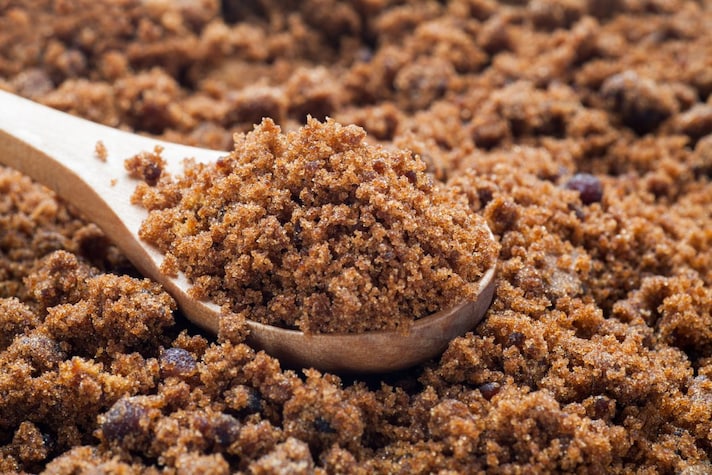
Including muscovado sugar in your diet is therefore beneficial in terms of nutrient intake, such as minerals and vitamins, but you should always consume it in moderation, as you would with white sugar, that is, in the recommended doses of up to 5 grams per day. This also means that, consumed in such limited quantities, it doesn't provide a significant amount of minerals: the real difference with white sugar is in the flavor and the use you can make of it, not in its greater or lesser healthiness.
How to Use Muscovado Sugar
You can easily purchase muscovado sugar in small specialty stores or online, but once you've purchased it, how can you use it in the kitchen? First of all, you can use it as a sweetener for hot or cold beverages —one of the main uses for this sugar in India, where it's particularly widespread—but you can also use it as an ingredient in its own right, especially in sweet recipes: its molasses-like flavor, with hints of caramel and licorice, makes it ideal for these types of recipes. Just remember to use less of it than white sugar or reduce the liquid portion of the recipe, as muscovado sugar has a high moisture content, which could affect the texture of your dish if used in excessive quantities. Although it's primarily associated with desserts, muscovado sugar can also be used in any savory dish that requires a subtle hint of sweetness. For example, it can be useful for glazing meat (as is done with brown sugar) or for marinating it with a blend of spices and muscovado sugar.