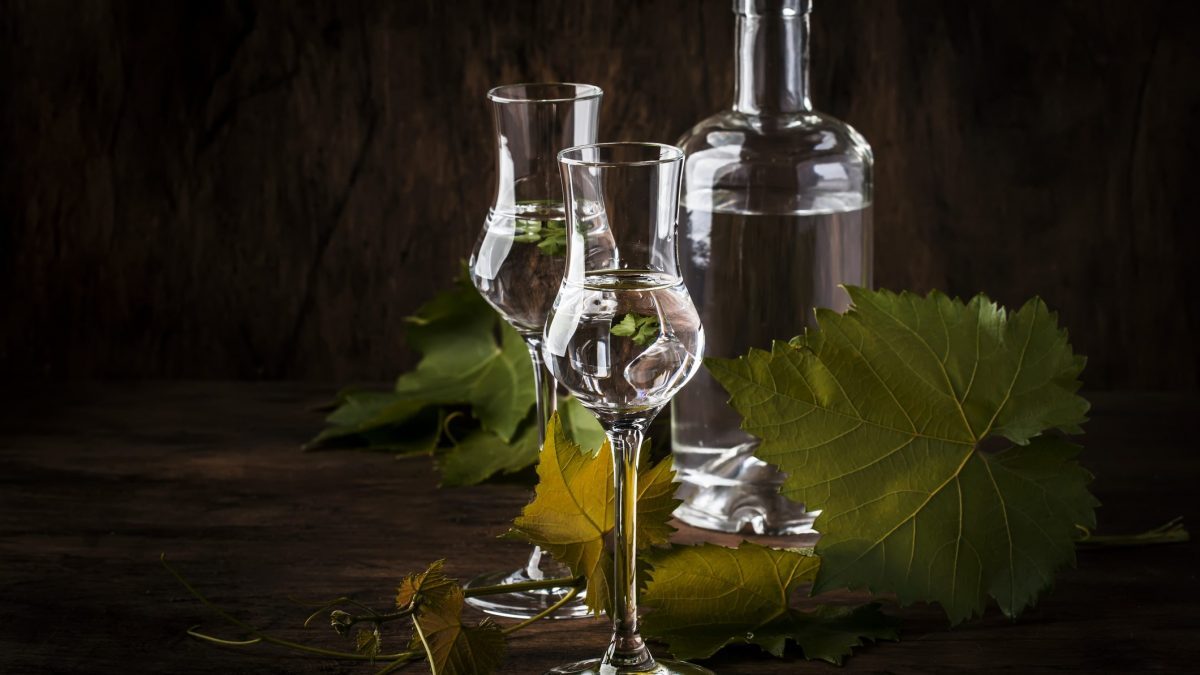
Pisco is the typical Peruvian spirit, a wine brandy obtained from the distillation of fermented wine from specific grape varieties. It is a pure spirit, meaning that, unlike some brandies, it cannot be aged in wood (or can only be aged in containers that do not release aroma) and does not require the addition of water after distillation. This is also the main difference between brandy and pisco: one is aged, the other is not. It also has a completely different aromatic profile and its own tradition, but generally speaking, the difference lies in the aging. Pisco is produced mainly in Peru and Chile, and this is precisely why the centuries-old dispute over its origins arose. Both countries claim the paternity of the drink, a question that has fascinated historians, producers, and lovers of good wine, also because this product is profoundly linked to the geography, culture, and history of the two Andean countries that for centuries have competed for the title of "cradle" of this spirit.
Pisco's History and Origins
To truly understand pisco, we must begin in the 16th century, when the Spanish conquistadors brought the first vines to South America, especially Peru. Coastal areas such as Ica, Arequipa, and Moquegua proved perfect for growing grapes. There, in the arid yet temperate climate of the Pacific, the grapes ripened excellently. By the 17th century, Peruvian wine production was so flourishing that it began to compete with that imported from the mother country. To protect their producers, the Spanish even banned wine production in Peru. It was precisely this ban that drove many farmers to transform wine into spirits: thus was born pisco, which, as so often happens in history, has its origins in the difficulties that arose.

The name likely derives from the port of Pisco, in southern Peru, from which ships loaded with barrels departed for Panama and other colonial ports. Some historians maintain that the term "pisco" is of Quechua origin (the group of languages native to South America) and originally meant "bird" or "container," but over time it also became the name of the distillate itself.
It all seems simple and straightforward, right? No, it isn't, because Chile also claims the origins of pisco, with its own area called "Pisco Elqui" and an equally ancient production process. The issue is complex and often even a source of diplomatic tension: today both countries consider it a national product and protect it with different designations of origin. Peru claims ownership because the city of Pisco existed before the discovery of America; Chile is not so drastic and, in fact, accepts the situation but requires that the term "pisco" also be used for their national drink. On the other hand Europeans, have sided with Peru and at the same time recognize Chile thanks to a convoluted regulation. Regulation (EU) No. 1065/2013 recognizes the term "Pisco" as protected and can only be used for the original Peruvian product. The good thing is that there's a previous agreement in place whereby Europe accepts Chilean-produced spirits such as Pisco, and therefore, in bars you can find both Peruvian and Chilean eaux-de-vie. The mysteries of continental bureaucracy.
How and Where Pisco is Produced
Peruvian pisco is produced exclusively in a few regions: Ica, Lima, Arequipa, Moquegua , and part of the Tacna region. It is an unaged spirit, meaning that after distillation, it is left to rest for at least three months in neutral containers (stainless steel or glass) to stabilize, but it is never aged in wood, as it must maintain the purity of the grape's aromatic profile.
Production is entirely artisanal, regulated by a controlled designation of origin. Eight grape varieties are used, divided into aromatic (such as Italia and Torontel) and non-aromatic (such as Quebranta and Negra Criolla). The grapes are pressed, fermented naturally without added sugar, and then distilled only once in copper stills. The result is a pure spirit, without the addition of water or corrections: Peruvian pisco emerges from the still with exactly the same alcohol content as it is in the bottle, a very rare feat in the world of spirits.

Chilean pisco, on the other hand, is produced primarily in the Coquimbo and Atacama regions, using a slightly different process: double distillation is permitted and it can be diluted with water to adjust the alcohol content. This makes Chilean pisco generally smoother and less aromatic, but more standardized in flavor, perhaps better for use in mixology, while for a pure taste, you should try a Peruvian pisco.
Pisco Varieties
When you drink pisco, you're not just drinking a spirit: you're drinking the type of grape, the hand of the producer, and the tradition of the area where it was born, much like wine , a more familiar alcoholic beverage whose prestige is based on terroir and biology. In Peru, there are three main types of pisco:
- Puro: Distilled from a single grape variety, usually Quebranta (the most common), but also Italia or Negra Criolla. It's the most direct pisco, ideal for understanding the essence of a specific grape.
- Aromatic: Made from more fragrant grapes such as Moscatel, Italia, or Torontel. The aromatic profile is intense, with floral, fruity, almost explosive notes. If you love fragrant spirits, this is your playground.
- Mosto Verde: Here, the must is distilled before fully fermenting, meaning some of the sugars remain intact and the final product is more complex, smooth, and elegant. It is considered the highest-quality pisco and also the most expensive.
Chile uses a different classification, based on alcohol content and less focused on grape variety. This is also why many experts believe Peruvian pisco has a greater expressive richness and craftsmanship.
Pisco-Based Cocktails
You're probably already familiar with the most famous pisco-based cocktail: the Pisco Sour. It's a true national symbol, both in Peru and Chile, and when done well, it's a masterpiece. The ingredients are simple: pisco, fresh lime juice, sugar syrup, egg white, and a few drops of Angostura bitters. The whipped egg white creates a soft foam, the lime balances the sweetness, and the Angostura bitters add depth. The result is fresh, aromatic, and elegant. In addition to the Pisco Sour, you can also try the Chilcano, very popular in Peru: pisco, ginger ale, lime, and bitters. Simpler, thirst-quenching, perfect as an aperitif. Then there's the Pisco Punch, curiously born in San Francisco in the late 1800s, during the Gold Rush. It's a historic cocktail made with pisco, pineapple, and citrus, rediscovered in recent years by the most creative bartenders.
If you're a mixology enthusiast, pisco can become your go-to spirit, creating original twists on classics like Martinis, Negronis, or Collinses. Its versatility and aromatics also make it ideal for modern cocktails.
;Resize,width=767;)
